When Do You Actually Need a Home Electrician?
Home electrician services cover a wide range of electrical work that keeps your house safe, functional, and up to code. Here’s a quick overview of what’s typically included — and when to call a pro:
| Service | What It Covers | When You Need It |
|---|---|---|
| Electrical repairs | Outlets, switches, wiring faults | Flickering lights, dead outlets, tripped breakers |
| Panel upgrades | Replace or expand breaker panel | Old panel, frequent trips, adding appliances |
| Lighting installation | Indoor, outdoor, recessed, dimmer | Remodels, upgrades, new construction |
| EV charger installation | Level 2 charger with dedicated circuit | New EV purchase |
| Generator installation | Standby or portable backup power | Storm preparedness |
| Whole-home rewiring | Replace outdated knob-and-tube or aluminum wiring | Older homes, insurance requirements |
| Safety inspections | Code compliance check | Buying/selling a home, aging electrical system |
Your home’s electrical system is easy to ignore — until something goes wrong. A flickering light, a warm outlet, or a breaker that keeps tripping are signals your system is telling you something. Left unaddressed, these issues can escalate from minor inconveniences to serious fire or shock hazards.
The good news? A licensed electrician can diagnose and fix most problems quickly — and make sure the work is completed with applicable code requirements in mind, which is not something a video tutorial can verify.
I’m Aaron, owner and master electrician at Buckeye Electrical Solutions LLC, and I’ve led home electrician services projects across Northeast Ohio — from panel replacements and full rewires to EV charger installs and lighting upgrades — with more than 60 permitted projects completed. In this guide, I’ll walk you through everything you need to know to make smart, safe decisions about your home’s electrical system.
Important home electrician services terms:
Understanding the Scope of Professional Home Electrician Services
When homeowners think of home electrician services, they often picture someone fixing a broken light switch or swapping out a dead outlet. While minor repairs are certainly a core part of what we do, the true scope of professional residential electrical work is far more comprehensive. Modern homes require sophisticated power distribution networks to safely run everything from high-draw kitchen appliances to sensitive home office computing equipment.
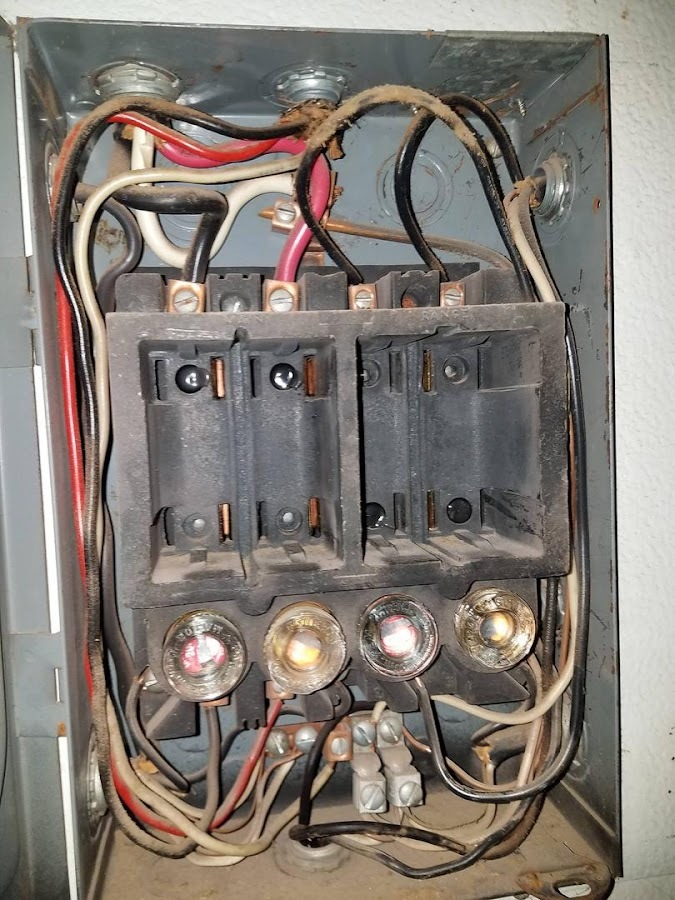
Professional electrical services are generally divided into three major categories: diagnostics/repairs, system upgrades, and new installations. Whether you are dealing with an old fuse box that cannot keep up with modern demands or you need to design an energy-efficient LED lighting layout for a kitchen remodel, having a certified professional handle the job is essential. For a closer look at our complete range of capabilities, you can read More info about residential electrical services.
In Northeast Ohio, our weather plays a significant role in how we manage home systems. From humid summers that keep air conditioners running constantly to freezing winters that demand reliable heating controls, your electrical panel and wiring are under continuous stress. A professional residential electrician understands these regional demands and ensures that your home’s infrastructure is built to withstand them safely.
Essential Home Electrician Services for Modern Households
As technology evolves, our homes must adapt to support higher power loads. Two of the most common specialized installations we perform today are Level 2 Electric Vehicle (EV) chargers and standby backup generators.
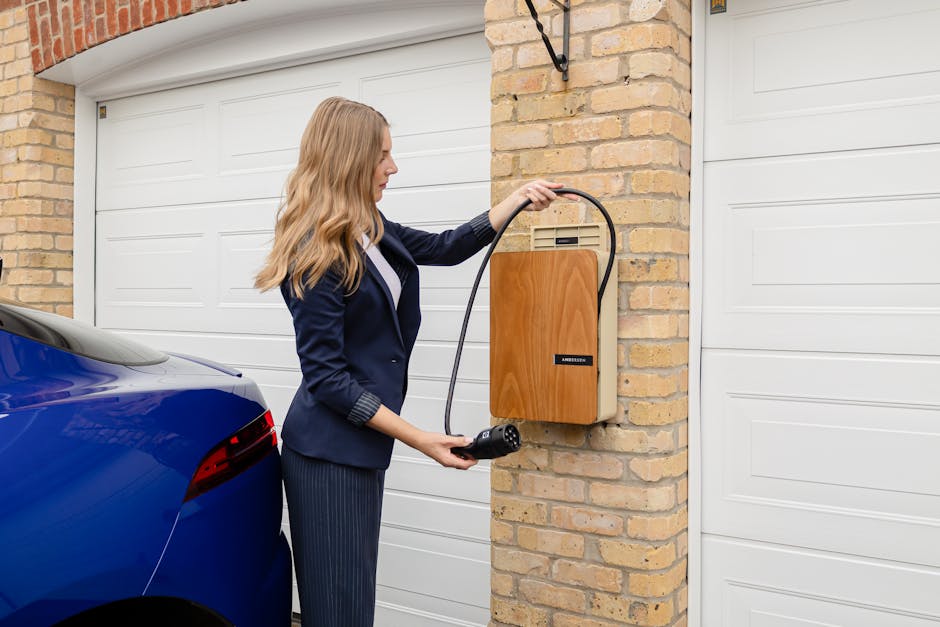
Installing a Level 2 EV charger is not as simple as plugging an appliance into a standard wall outlet. It requires a dedicated 240-volt circuit, specialized heavy-gauge wiring, and often a capacity assessment of your existing electrical panel. Attempting to charge a modern electric vehicle on an outdated or overloaded electrical system can cause severe overheating and pose a significant fire hazard.
Similarly, standby generators provide invaluable peace of mind during Northeast Ohio’s unpredictable storm seasons. A professionally installed whole-home generator detects a power outage instantly, starts up automatically, and seamlessly transfers your home’s electrical load to generator power within seconds. This requires a professional transfer switch installation to prevent “backfeeding”—a dangerous situation where electricity from your generator flows backward into the utility lines, putting utility workers at extreme risk.
Beyond high-draw installations, smart home automation has become a standard request. Integrating smart dimmers, automated security lighting, and smart panel monitors requires a deep understanding of both traditional electrical wiring and low-voltage digital communication protocols.
Specialized Installations and Upgrades
To support these modern conveniences, many older homes in our service area require a panel replacement or service upgrade. If your home still utilizes an old 60-amp or 100-amp fuse box, or an outdated breaker panel, you are likely struggling with frequently tripped circuits. Many modern households benefit from 200-amp service, depending on their electrical load.
Specialized upgrades also include the installation of dedicated circuits. High-draw appliances such as hot tubs, central air conditioners, electric dryers, and sump pumps are often best served by dedicated circuits. This prevents them from overloading shared household circuits and causing your lights to flicker every time the compressor or motor kicks on.
Additionally, whole-house surge protection is a critical upgrade that protects your valuable electronics. While power strips offer localized protection, a panel-mounted surge protective device (SPD) clamps down on voltage spikes from lightning strikes or utility switching before they can ever enter your home’s branch wiring.
Common Residential Electrical Problems and Troubleshooting
When everything is working perfectly, your home’s electrical system is virtually invisible. However, when issues arise, they can quickly cause stress and disrupt your daily routine. Understanding the warning signs of electrical failure can help you address minor issues before they turn into emergency situations.
Flickering lights are one of the most common complaints we receive. While a single flickering bulb might just be loose or failing, widespread flickering throughout a room or the entire house often points to a loose neutral wire in your electrical panel or a failing connection at the utility service drop. Tripped breakers are another frequent issue; while they are designed to shut off power to prevent fires, a breaker that trips repeatedly indicates either a heavily overloaded circuit, a short circuit, or a failing breaker mechanism that needs immediate replacement.
If you are experiencing persistent issues and want to connect with local specialists, you can consult with the Top rated residential electrical repair experts to diagnose the root cause of the problem safely.
Diagnostic Guide for Homeowners
To help you understand the severity of various electrical symptoms, we have put together this practical diagnostic guide. Remember: diagnostics should always be performed with safety as the absolute priority.
| Symptom | Likely Causes | Priority Level | Recommended Action |
|---|---|---|---|
| Outlet has no voltage; could indicate breaker, GFCI, switch, or wiring issue | Tripped breaker, tripped GFCI outlet, loose terminal screw, or broken wire | Medium | Check and reset GFCI outlets; if unresolved, call a professional to inspect the circuit branch. |
| Warm or discolored outlet cover plates | Overloaded circuit, loose wire connections causing high-resistance arcing | High | Disconnect all appliances from the outlet immediately and turn off the corresponding breaker. |
| Frequent circuit breaker tripping | Circuit overload, short circuit, ground fault, or failing breaker | High | Reduce the load on the circuit; if the breaker trips with nothing plugged in, contact an electrician. |
| Flickering or dimming lights when major appliances turn on | Voltage drop, inadequate panel capacity, or loose service connections | Medium | Schedule a panel capacity assessment to determine if a service upgrade or dedicated circuit is required. |
| Mild shock or tingle when touching appliances or switches | Improper wiring, bootleg ground, or lack of proper grounding system | High | Do not touch the appliance; shut off power at the main panel and request emergency service. |
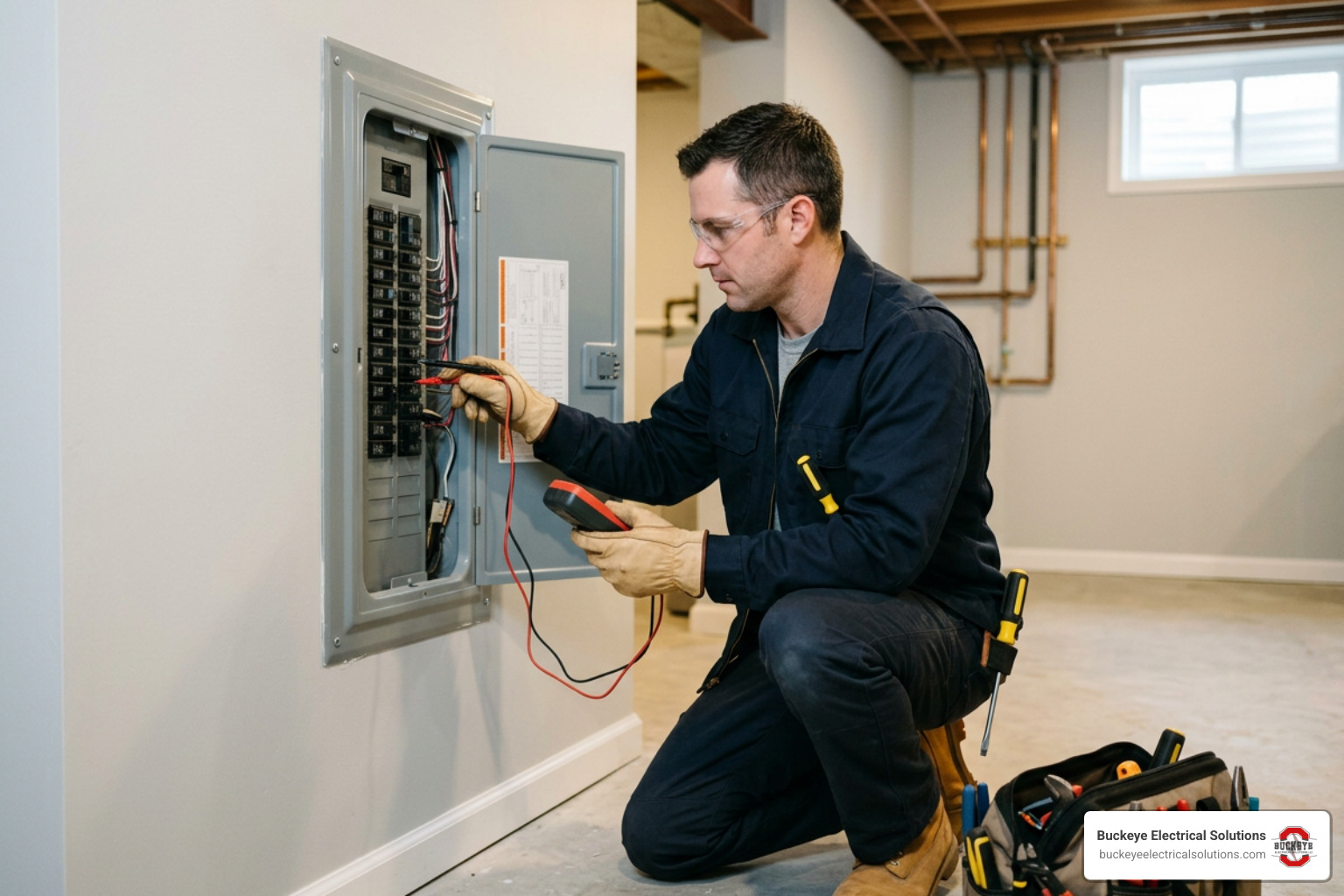
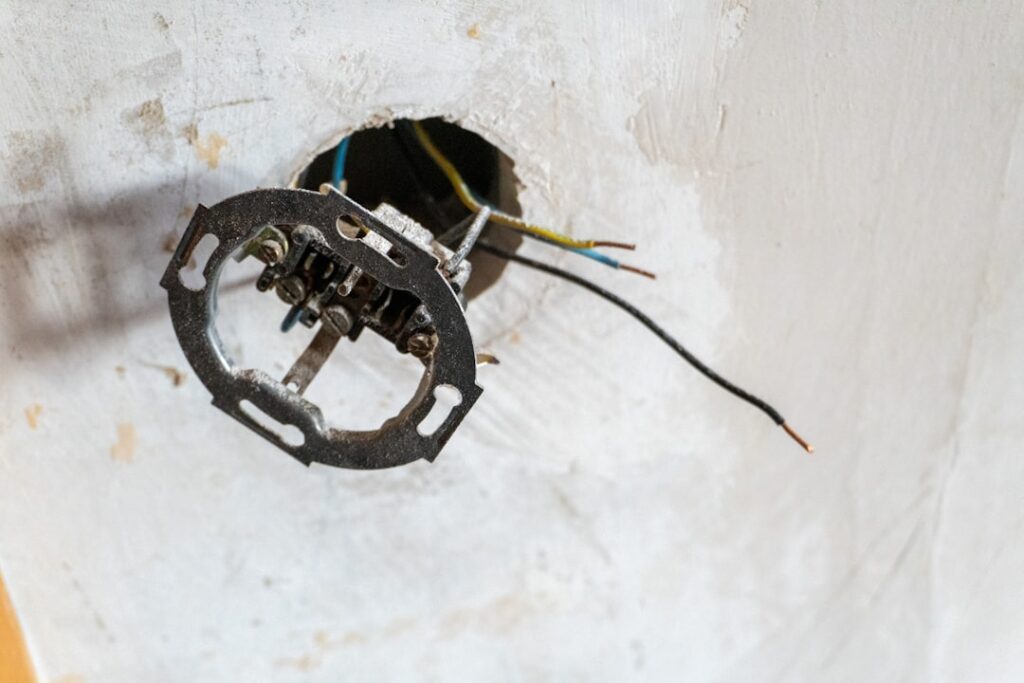
When troubleshooting, our technicians frequently encounter hazardous situations such as “improper wiring” or a dangerous “bootleg ground” (where a ground wire is illegally jumped to a neutral wire to trick simple outlet testers). These conditions present severe shock hazards and must be corrected by a licensed professional to ensure your home is truly grounded and safe.
The Importance of Licensing and Electrical Codes in Ohio
Electrical codes exist for one primary reason: to protect lives and property. In Ohio, electrical requirements can vary by jurisdiction, project type, and the local Authority Having Jurisdiction (AHJ). That is why broad code claims should be treated carefully unless they are tied to a specific local requirement. For homeowners who want to understand the national code framework, the National Fire Protection Association’s NEC overview is a helpful external resource.
In many cases, GFCI protection, grounding, bonding, proper box support, dedicated circuits, and inspection requirements depend on the location, equipment, installation details, and local enforcement. A licensed residential electrician can help interpret the applicable requirements for your specific project and coordinate permit or inspection steps when required.
Staying compliant with these complex rules is a major reason why hiring a certified professional is often the safest option. Licensed contractors typically complete ongoing training to stay current on applicable local, state, and national code changes. To learn more about why certified help is a safer option, check out our article on Sparking Trust: Why a Licensed Electrician is Your Best Bet.
Why DIY Electrical Work is a Major Safety Risk
With the rise of online home improvement tutorials, it can be tempting to tackle electrical repairs yourself. However, electrical work is unforgiving. A mistake in plumbing might result in a wet floor, but a mistake in electrical wiring can create fire, shock, or equipment hazards.
Beyond the immediate safety concerns, DIY electrical work can lead to code violations that remain hidden behind drywall until a home inspection, remodel, or service call reveals the issue. Unpermitted work can also complicate insurance claims, resale, and future permitting.
If you have an upcoming project, big or small, it is typically best to leave electrical work to the pros. You can find the right help by reading Need a Residential Electrician? Find the Best Local Pros for Any Job, Big or Small.
Understanding Electrician Qualifications: Apprentice to Master
The path to becoming a licensed electrician typically combines classroom education, supervised field experience, testing, and ongoing training. Exact requirements vary by state, municipality, license type, and scope of work, so homeowners should look for contractors who meet the requirements for their local jurisdiction.
To understand the full depth of what goes into professional training and why these standards exist to protect your family, take a look at Beyond the Wires: What Every Homeowner Needs to Know About Residential Electrical Services.
The electrical trade is commonly structured into three broad levels:
- Apprentice Electrician: Apprentices are entry-level professionals who learn the trade under supervision while building classroom and field experience.
- Journeyman Electrician: Journeymen have completed substantial training and are generally qualified to perform many electrical installations and repairs with limited supervision, depending on local licensing rules.
- Master Electrician: Master-level electricians have advanced experience and testing credentials. They are often qualified to design systems, oversee complex projects, supervise teams, and coordinate permitting requirements where applicable.
Hourly wages and contractor billing rates can vary widely based on experience, licensing, project complexity, insurance, equipment, vehicles, and business overhead. For homeowners, the most important takeaway is not the hourly title alone, but whether the contractor is properly licensed, insured, experienced with similar residential work, and familiar with local inspection expectations.
How to Choose the Right Level of Expertise for Your Project
Not every residential project requires a Master Electrician to be on-site, but Master-level oversight can be valuable for larger or more complex work.
When planning your next home project, it helps to understand who will perform and supervise the work. Standard installations — such as adding outlets, installing ceiling fans, or running new branch circuits — may be handled by qualified electricians working under the proper license structure. Larger renovations, panel upgrades, service changes, and whole-home rewiring typically call for more advanced oversight. For more detailed insights on matching the right professional to your specific home project, check out More info about residential electrical services.
While our team focuses on serving homeowners across Northeast Ohio, professional standards matter everywhere: verify credentials, ask about permits and inspections, and choose a contractor with relevant residential experience.
What is a Residential Interior Electrical Plan?
A Residential Interior Electrical Plan is a comprehensive service agreement designed to provide homeowners with ongoing peace of mind. Think of it as a preventative wellness plan for your home’s electrical system. Instead of waiting for an electrical emergency to happen, these plans offer proactive inspections, priority service, and structured coverage for common interior electrical components.
These service plans typically cover repairs to standard household wiring, switches, outlets, and circuit breakers. Because basic homeowners insurance policies rarely cover repairs due to normal wear and tear or aging electrical components, an interior electrical plan bridges the gap, helping you avoid unexpected out-of-pocket repair bills.
If you want to ensure your home is protected against sudden electrical failures, you can consult with the Top rated residential electrical repair experts to find a plan that fits your household needs.
Selecting the Best Home Electrician Services Plan
Many electrical service companies offer tiered plans to accommodate different budgets and coverage needs. While specific offerings vary, they are generally structured into three standard tiers:
- Basic Coverage: Focuses on essential safety, covering repairs to standard wall switches, single-pole breakers, and standard convenience outlets.
- Total Comfort: Expands on basic coverage to include advanced components like GFCI receptacles, multi-pole breakers, dimmer switches, and dedicated appliance circuits.
- Platinum Benefits: The most comprehensive option, offering complete coverage for advanced electrical systems, including whole-home surge protectors, standby generator transfer switches, and priority emergency dispatch with no trip charges.
Please note: All service pricing, tiered comfort plans, or custom installation estimates mentioned are subject to change and are highly dependent on local site conditions, utility requirements, or local Authority Having Jurisdiction (AHJ) regulations.
Frequently Asked Questions about Home Electrician Services
What should I do if my circuit breaker keeps tripping?
If a circuit breaker trips, it is performing a key safety function: shutting off power to reduce the risk of overheating and electrical damage. The first step is to unplug any recently added appliances from that circuit, since overloads are a common cause. Go to your electrical panel, locate the tripped breaker, push it fully to the “OFF” position, and then flip it back to “ON.”
If the breaker trips again immediately with little or nothing plugged in, you may be dealing with a short circuit, ground fault, or equipment issue. This is a safety concern that typically requires a professional inspection. To find rapid assistance when you need it most, check out Don’t Get Zapped: Finding a 24-Hour Residential Electrician.
How do I know if my home’s wiring is outdated?
If your home was built before 1970, there may be a higher chance that it contains outdated wiring systems. Common warning signs of an aging system include two-prong outlets, flickering lights when major appliances turn on, and limited GFCI protection in areas where it is now commonly required.
Homes from different eras may include aluminum wiring, knob-and-tube wiring, ungrounded circuits, or other older components that need professional evaluation. If you suspect your home has outdated wiring, you can find local experts to perform a safety inspection by reading Need a Residential Electrician? Find the Best Local Pros for Any Job, Big or Small.
Do I need a permit for residential electrical work in Ohio?
Permit requirements in Ohio can vary by jurisdiction, project type, and the local Authority Having Jurisdiction. Projects that modify, add, or replace permanent electrical infrastructure — such as panel upgrades, new circuits, EV charger installations, or standby generator connections — often require a permit and inspection.
Permits help document the work and provide an inspection path so the installation can be reviewed for safety and code compliance. When you work with a certified professional, they can typically help determine what permits apply and coordinate the inspection process. You can take the first step toward your next project and Schedule professional residential electrical services today.
Conclusion
Your home’s electrical system is too important to leave to chance. From simple outlet replacements to high-capacity panel upgrades, EV charger installations, and standby generators, professional home electrician services ensure your home remains safe, efficient, and installed in accordance with applicable code requirements.
At Buckeye Electrical Solutions, we bring over 20 years of dedicated experience to every project we undertake in Northeast Ohio. We are committed to providing our neighbors with exceptional service, prompt project completion, and the peace of mind that comes from knowing the job was done right the first time.
Don’t take unnecessary risks with DIY electrical work. Contact our team of certified professionals to discuss your next project, schedule a comprehensive safety inspection, or upgrade your home’s electrical system today. Schedule professional residential electrical services today and let us help you power your home safely.