
Why a Safe Electrical System Matters for Every Ohio Home
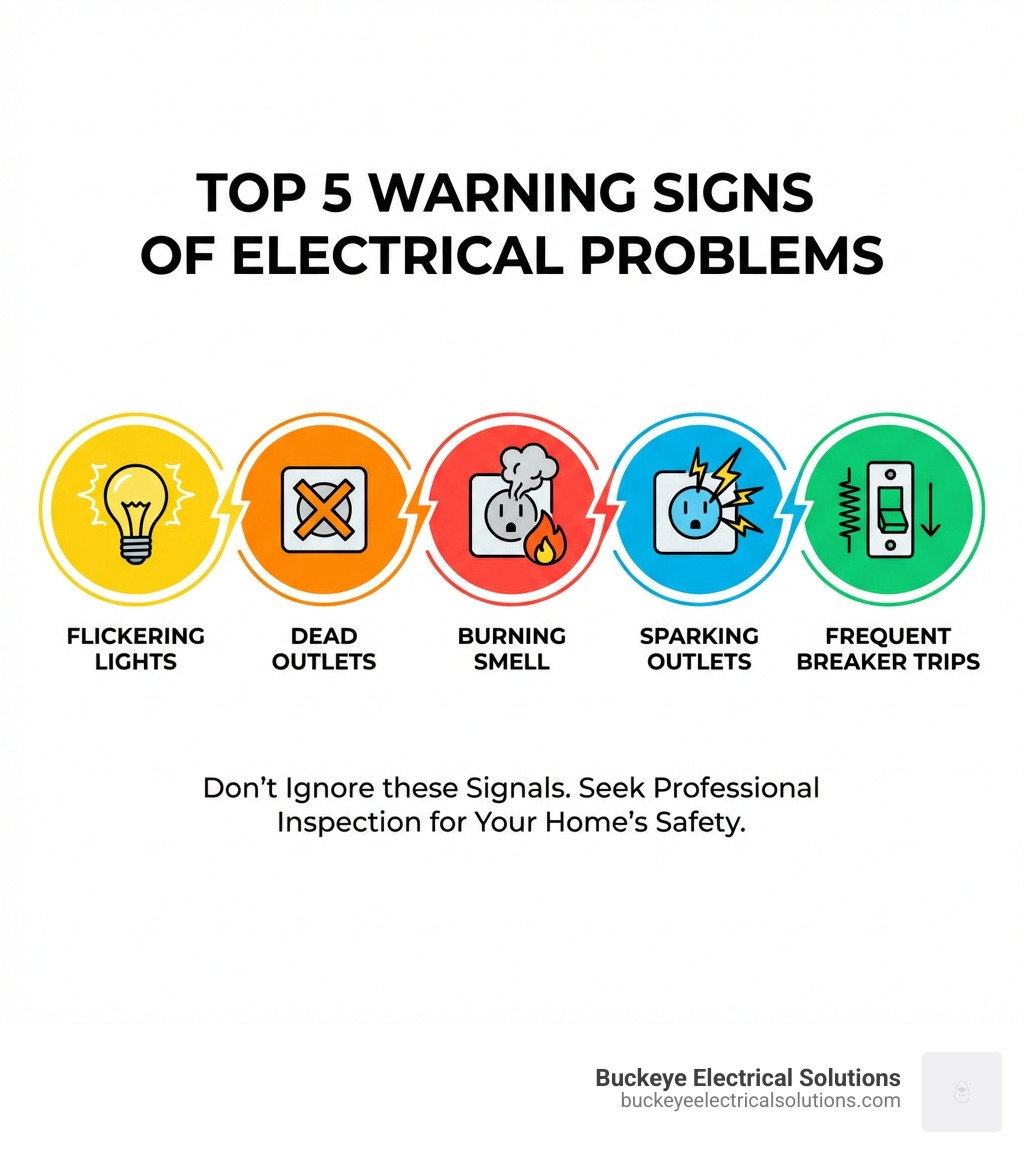
Electrical repair services are essential when you notice warning signs like flickering lights, dead outlets, frequent breaker trips, burning smells, or sparking outlets. Licensed electricians can diagnose these issues, perform code-compliant repairs, upgrade outdated panels, and ensure your home’s electrical system is safe and efficient.
Top reasons to call a professional electrician in Ohio:
- Frequent circuit breaker trips – Your panel may be overloaded or outdated
- Flickering or dimming lights – Could indicate loose wiring or a panel issue
- Burning smell near outlets or panel – Sign of overheating wires (call immediately)
- Dead or warm outlets – Faulty wiring poses a fire risk
- Old wiring (knob and tube, aluminum) – Should be inspected and likely replaced
Behind your walls, an aging or faulty electrical system can pose serious risks. From the threat of electrical fires to the danger of electric shock, a neglected electrical system isn’t just inconvenient—it’s dangerous.
Ohio homes face unique challenges. Many older properties in Northeast Ohio still have outdated wiring like knob and tube systems or Federal Pacific panels that don’t meet modern safety standards. Add in the power demands of today’s appliances, EV chargers, and smart home devices, and it’s clear why electrical panel upgrades and professional inspections are more important than ever.
This guide will help you:
- Recognize common electrical problems and know when to call a professional
- Find and hire a licensed, insured electrician you can trust
- Understand the services and upgrades that improve safety, efficiency, and home value
- Steer Ohio’s electrical codes and regulations
I’m Aaron, owner of Buckeye Electrical Solutions, and I’ve directed more than 60 permitted electrical repair projects across Northeast Ohio, from whole-home rewires to complex commercial upgrades. Over the past several years, I’ve seen how proper electrical work protects families and adds lasting value to homes.
Common Electrical Issues in Ohio Homes and When to Call a Pro
Homes in Northeast Ohio endure harsh weather, and many older properties have electrical systems that can’t keep up. Common issues like flickering lights or dead outlets aren’t just annoyances; they’re often your home’s way of telling you something is amiss.
Here are the issues we frequently encounter in Ohio homes:
- Flickering or Dimming Lights: If your lights dim when an appliance kicks on or flicker intermittently, it could indicate loose wiring, an overloaded circuit, or a problem with your main electrical panel.
- Dead Outlets: An outlet that doesn’t provide power might be a tripped GFCI, a loose connection, or a more serious wiring issue within the walls.
- Burning Smells: If you detect a burning odor from an outlet, switch, or your electrical panel, this is a critical sign of overheating wires and a potential fire hazard. Turn off power to that area immediately and call us.
- Sparking Outlets or Switches: While a tiny, momentary spark can be normal, frequent or significant sparking, especially with discoloration around the outlet, suggests a faulty connection or a short circuit.
- Frequent Breaker Trips: Circuit breakers trip to prevent overloads, but if a breaker trips constantly, the circuit is drawing too much power, or the breaker itself might be faulty. This is common in older Northeast Ohio homes not designed for today’s electrical demands.
These issues carry significant safety risks, including electrical fires and shocks. As experienced local electricians, we’ve seen the chaos these problems can cause and always prioritize a “safety first” approach to all electrical repair projects.
The Dangers of DIY electrical repair
We understand the temptation of DIY home repair, but when it comes to electricity, it can be incredibly dangerous. Most electrical jobs should be handled by a professional to avoid the high risk of injury, property damage, and fire. We’ve seen well-intentioned DIY work create hazardous conditions, leading to costly repairs or worse.
Beyond the immediate safety concerns, DIY electrical work often falls short of meeting local electrical codes. This can lead to issues during home inspections and could even void your home insurance policy if an electrical fire occurs due to unpermitted or improper work.
Our advice? If you’re unsure, call an electrician. It’s always safer to err on the side of caution. We work with you to find affordable solutions so you don’t have to risk your safety. For more information on how we can help keep your home safe, explore our dedicated residential services: More info about our residential services.
How to Prevent Common Electrical Problems
Proactive measures can prevent inconvenient outages, expensive repairs, and dangerous situations. Here are our top tips for preventing common electrical problems in your Northeast Ohio home:
- Schedule Regular Electrical Inspections: Think of it like a check-up for your home’s wiring. Regular electrical inspections are crucial for identifying current or potential hazards before they escalate. We recommend an inspection every 3-5 years, or more frequently for older homes.
- Don’t Overload Circuits: Each circuit in your home is designed to handle a specific amount of electricity. Plugging too many high-power appliances into one circuit can cause it to trip repeatedly. This can overheat wires and cause fires. If you have an older home, it may not be equipped to handle the demands of modern appliances, necessitating an upgrade.
- Use Surge Protectors: Power surges, whether from lightning or fluctuations in the grid, can damage your valuable electronics. A whole-home surge protector attaches directly to your electrical panel, regulating daily power surges and safeguarding all connected devices.
- Check Cords for Damage: Regularly inspect appliance cords and extension cords for fraying, cracks, or exposed wires. Damaged cords are fire hazards and should be replaced immediately. Also, extension cords are temporary solutions; avoid using them as permanent wiring.
- Update Old Components: Many homes in Northeast Ohio still have outdated knob and tube wiring or Federal Pacific electrical panels. These systems don’t meet modern safety standards and should be inspected and likely replaced by a professional. Uncovered junction boxes are another hidden problem that can pose electrical hazards and should be addressed promptly.
- Install GFCI Outlets: Ground Fault Circuit Interrupter (GFCI) outlets are essential in areas near water, like bathrooms, kitchens, and outdoors. They quickly cut power to prevent electric shock if a fault occurs.
By following these preventative tips, you can significantly reduce the risk of electrical issues and ensure a safer, more efficient home.
How to Find and Hire a Trustworthy Electrician in Ohio
When you need electrical repair services, finding a trustworthy, skilled, and honest electrician is crucial. We believe in transparency and want you to feel confident in your choice.
Here’s how we recommend vetting potential electrical contractors:
- Check Online Reviews and Testimonials: What are other homeowners saying? Look for consistent positive feedback regarding professionalism, promptness, quality of work, and customer service.
- Ask for References: A reputable electrician should be happy to provide references from past clients. Go ahead and call them! You’ll often hear about their experience and satisfaction levels directly.
- Look for Industry Ratings and Awards: Organizations like the Better Business Bureau (BBB) provide ratings (we’re proud of our A+ rating!). Some companies also receive awards like the Angi’s List Super Service Award, indicating a consistent track record of excellent service.
- Verify Their Service Area: Make sure they genuinely serve your specific location within Northeast Ohio. Many companies claim wide service areas but might not be locally focused.
- Assess Their Communication: Do they answer the phone promptly and willingly discuss your concerns? We believe in answering the phone so you can speak to a live person.
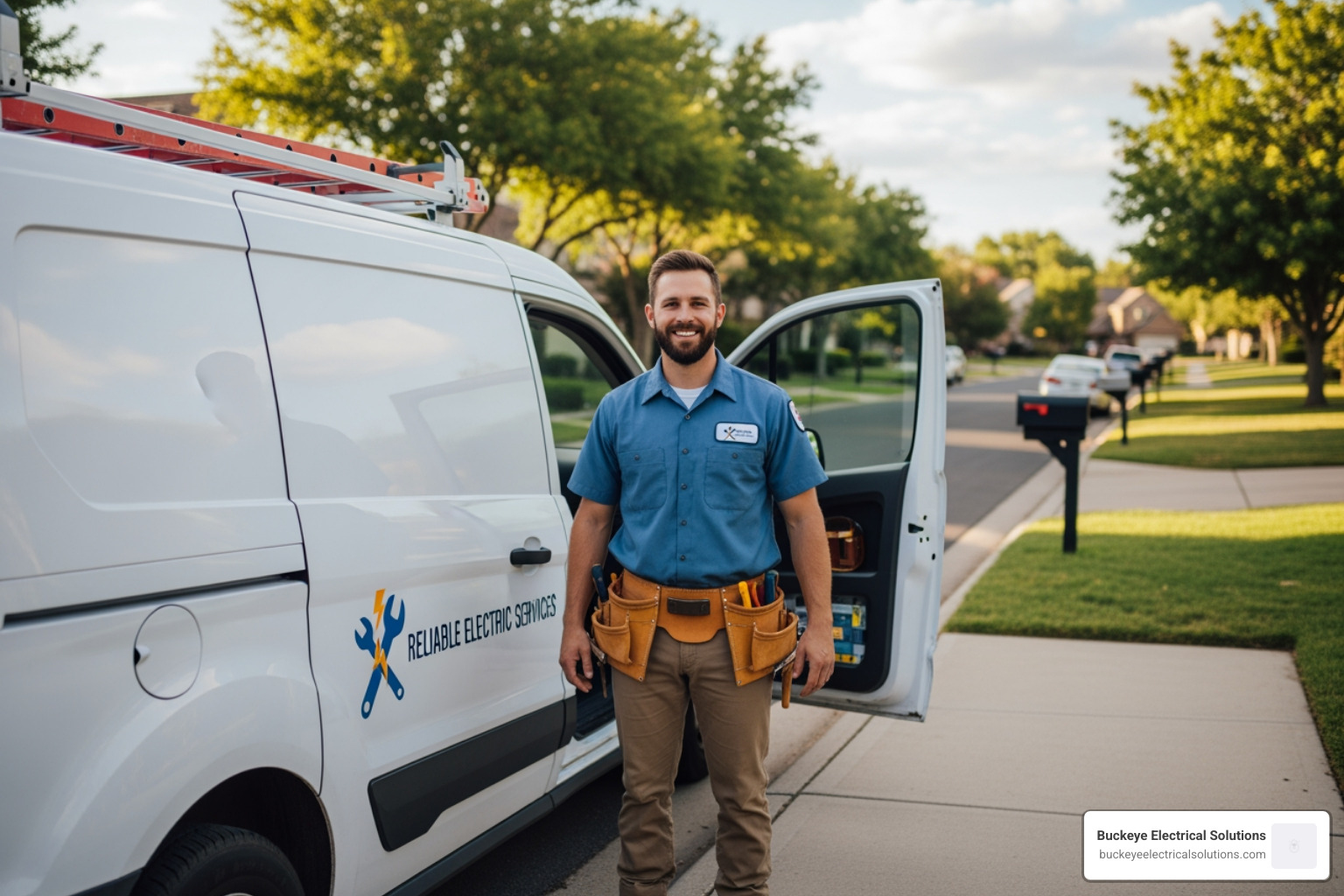
The Importance of a Licensed and Insured Professional
This is non-negotiable. When hiring for electrical repair, always ensure your electrician is licensed and insured. Why?
- Safety and Code Compliance: Licensed electricians have undergone rigorous training and testing. They understand the National Electrical Code (NEC) and local Ohio requirements, ensuring all work is performed safely and up to standard. This reduces the risk of electrical fires, shocks, and system failures.
- Insurance Protection: An insured electrician protects you. If an accident occurs on your property during the repair, their insurance covers damages or injuries, not your homeowner’s policy. This gives you immense peace of mind.
- Quality Workmanship: Licensing often indicates a commitment to quality and professionalism. Many professionals, like us, also stand by their work with warranties. For example, it’s common for reputable companies to offer a 90-day factory warranty on most parts, ensuring your investment is protected.
- Peace of Mind: Knowing you’ve hired a qualified, insured professional allows you to rest easy, confident that the job is done right the first time.
Understanding Costs and Getting a Transparent Quote
We believe in transparent pricing for electrical repair services. Here’s what to expect from a trustworthy electrician regarding costs and quotes:
- Free In-Home Estimates: A trustworthy electrician will offer a free, no-obligation estimate after assessing the specific work needed in your home. This allows us to understand your goals, current concerns, and past problems and make recommendations based on our knowledge.
- Flat-Rate Pricing: Many reputable companies, including ours, offer simple flat-rate pricing. This means you get a full price before any work begins, so there are no hidden fees or unexpected costs. You know exactly what you’ll pay, regardless of how long the job takes.
- Detailed Breakdown: A good quote should clearly outline the scope of work, materials needed, and labor costs. Don’t be afraid to ask questions until you fully understand everything.
- Financing Options: We understand that a new generator or electrical system can be a significant investment. That’s why we offer financing options to make the process more manageable for our clients.
By seeking out these elements, you can ensure you’re getting a fair price from an honest provider for your electrical repair needs.
A Homeowner’s Guide to Electrical Repair Services and Upgrades
Investing in professional electrical repair and upgrades improves your home’s safety, boosts its energy efficiency, and increases its overall value. A well-maintained electrical system is a strong selling point, can lower energy bills, and provides daily comfort. Many modern upgrades also contribute to energy savings.
At Buckeye Electrical Solutions, we pride ourselves on offering a comprehensive suite of services designed to meet every homeowner’s needs, from minor fixes to major installations. You can explore our full range of offerings here: Our Services.
Signs Your Electrical Panel Needs an Upgrade
Your electrical panel is the heart of your home’s electrical system. It distributes power to every circuit and appliance. If you live in an older home in Northeast Ohio, your panel might be struggling to keep up with today’s demands. Here are critical signs that your electrical panel needs an upgrade:
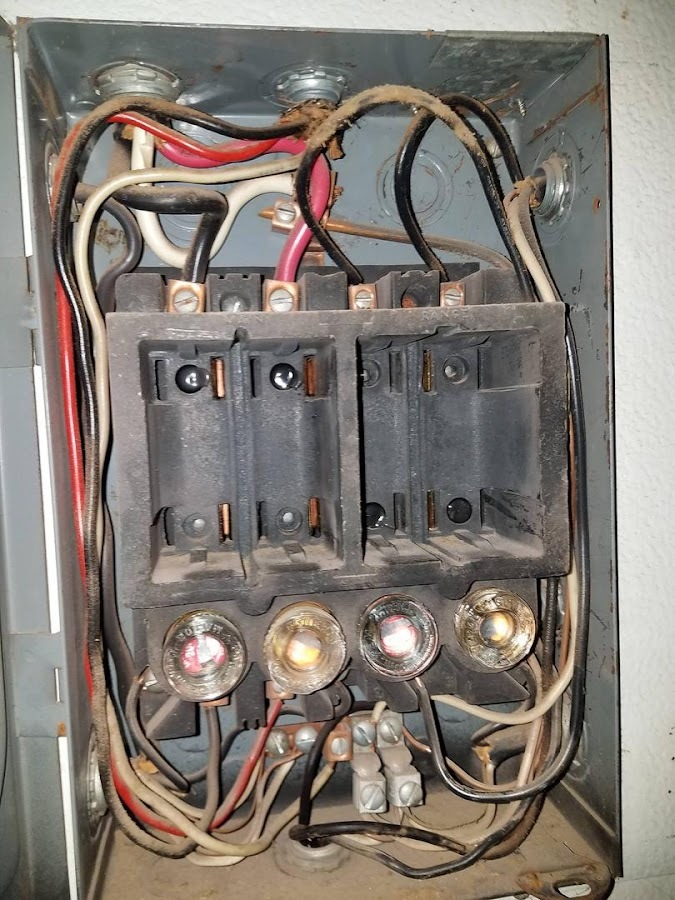
- Outdated Panels: Many older homes still have fuse boxes or legacy panels like Federal Pacific Electric (FPE) panels. These are notorious for safety issues and should be replaced. Fuse boxes, while quaint, melt a fuse to interrupt power, whereas modern circuit breakers simply trip and can be reset.
- Insufficient Amperage: Modern homes are typically designed to handle 200-amp electrical services. If your panel is 60 or 100 amps, it’s likely insufficient for today’s power-hungry appliances, leading to frequent breaker trips.
- Overcrowded Panel: An electrical panel that’s packed with too many wires or double-tapped breakers is a fire hazard. It indicates a lack of capacity and poor installation.
- Rust or Corrosion: Visible rust or corrosion on your panel or circuit breakers is a sign of moisture intrusion, which can lead to shorts and dangerous electrical faults.
- Accommodating Modern Appliances: If you’re adding new, high-power appliances like an electric vehicle charger, a hot tub, or a new HVAC system, your current panel might not have the capacity. An upgrade ensures your home can safely support these additions.
Upgrading your electrical panel is a significant investment, but it’s one that pays dividends in safety, efficiency, and property value. It ensures your home’s electrical system can handle the demands of modern living. To see examples of our work, including panel upgrades, check out our Project Gallery.
Essential Upgrades for the Modern Ohio Home
Beyond fixing immediate problems, several upgrades can significantly improve your home’s safety, convenience, and energy efficiency. For homeowners in Northeast Ohio, these are particularly valuable:
- Whole-Home Surge Protection: We’ve talked about individual surge protectors, but a whole-home system is a game-changer. It attaches directly to your electrical panel, regulating daily power surges that could damage appliances and electronics not connected to individual surge protectors.
- Whole-Home Generators: Ohio weather can be unpredictable. A whole-home generator ensures you have reliable electricity during emergencies, especially when severe weather causes power outages. Brands like Generac and Honeywell are popular choices, providing peace of mind.
- EV Charger Installation: With the rise of electric vehicles, installing a dedicated EV charger at home is becoming a necessity. We can safely install these high-power charging stations, custom to your garage layout and electrical load needs.
- Smart Home Technology: From smart lighting to automated thermostats and security systems, integrating smart home technology can increase efficiency, convenience, and security. We can help wire your home to support these intelligent systems.
- LED Lighting Upgrades: Switching to LED lighting throughout your home significantly reduces energy consumption and offers longer lifespans than traditional bulbs. Plus, we can help design custom lighting solutions for both indoor and outdoor spaces.
- Addressing Uncovered Junction Boxes: While not an “upgrade” in the traditional sense, ensuring all junction boxes are properly covered is a crucial safety measure. Uncovered junction boxes are a hidden problem lurking inside walls that can pose serious hazards. We always address these during inspections and upgrades.
These essential upgrades not only make your home more functional but also safeguard your family and investments.
Understanding Residential vs. Commercial electrical repair
While electricity is electricity, the demands and complexities of residential versus commercial electrical repair are quite different. At Buckeye Electrical Solutions, we have experience in both, understanding the unique requirements of each.
- Voltage Differences: Commercial and industrial settings often operate on higher voltages (e.g., three-phase power) compared to the single-phase power typically found in homes. This requires specialized equipment and expertise.
- Equipment Scale: Commercial properties often have larger, more complex machinery, lighting systems, and HVAC units, demanding more robust electrical infrastructure. Industrial settings, in particular, deal with heavy-duty automation systems, motor controls, and specialized industrial-grade electrical components.
- Code Requirements: While both must adhere to the National Electrical Code (NEC), commercial and industrial properties often have additional, more stringent local codes and safety regulations due to the higher occupancy and specialized equipment. Commercial electrical inspections and code compliance are specialties unto themselves.
- Load Demands: Businesses typically have much higher and more consistent electrical loads than residences. This impacts everything from the size of the electrical panel to the gauge of the wiring and the type of transformers used.
Whether you’re a homeowner or a business owner in Northeast Ohio, understanding these distinctions is key to ensuring you get the right expertise for your electrical needs. For businesses, we offer comprehensive solutions custom to your operational demands. Learn more about our specialized services for businesses here: Explore our commercial services.
Navigating Ohio’s Electrical Codes and Regulations
Electrical work isn’t just about making things light up; it’s about doing it safely and legally. In Ohio, as with any state, electrical repair and installations must adhere to specific codes and regulations. This isn’t red tape for the sake of it; it’s about protecting lives and property.
The foundation for all electrical work in Ohio is the National Electrical Code (NEC). This comprehensive set of standards is updated every three years and serves as the benchmark for safe electrical installations. However, local Ohio municipalities often adopt the NEC with their own amendments or additional requirements. This means what’s permissible in one town in Northeast Ohio might have slight variations in another.
Understanding and adhering to these codes is paramount. It ensures:
- Safety: The primary goal of electrical codes is to prevent electrical hazards like fires and shocks.
- Legality: Performing electrical work without following codes or obtaining necessary permits can lead to fines, difficulties with insurance claims, and complications when selling your home.
- Functionality: Code-compliant installations are typically more efficient and reliable.
The importance of permits cannot be overstated. For any significant electrical work, such as panel upgrades, new circuit installations, or major rewiring, a permit is usually required. This ensures that a licensed inspector reviews the work to confirm it meets all safety and code standards. If your home needs “code corrections,” it means previous work didn’t meet these standards, and we can help bring it up to par, ensuring safety and compliance for future inspections.
Beyond general electrical codes, specialized systems like fire alarms also have their own set of stringent regulations to ensure they function correctly in emergencies. We handle these critical installations too: Fire Alarm Services.
Frequently Asked Questions About Electrical Repair in Ohio
We often get similar questions from homeowners across Northeast Ohio. Here are some of the most common ones, with our expert answers:
What are the most common causes of electrical fires in homes?
The leading causes of electrical fires typically stem from:
- Faulty Wiring: Old, damaged, or improperly installed wiring is a major culprit. Frayed wires, loose connections, or wires that aren’t the correct gauge can overheat and ignite surrounding materials.
- Overloaded Circuits: Plugging too many high-wattage appliances into a single outlet or circuit can cause it to draw more current than it’s designed for. This leads to overheating, often evidenced by frequent breaker trips or a burning smell, and can quickly start a fire.
- Misuse of Extension Cords: Extension cords are designed for temporary use. Using them as permanent wiring, daisy-chaining multiple cords, or running them under rugs can cause them to overheat and become fire hazards.
- Outdated Components: Older homes in Northeast Ohio might still have outdated electrical panels (like Federal Pacific) or old outlets and switches that no longer meet safety standards and are prone to failure and overheating.
- Defective Outlets or Switches: Faulty or worn-out outlets and switches can develop loose connections, leading to arcing, sparking, and eventually, fires. If you notice persistent sparking or a burning smell, it’s an emergency.
How often should I have my home’s electrical system inspected?
Regular electrical inspections are a crucial part of home maintenance. We generally recommend a comprehensive electrical inspection every 3-5 years for most homes.
However, certain situations warrant more immediate inspections:
- When Buying a Home: Always get an electrical inspection before purchasing a new home, especially an older one. This can uncover hidden hazards or expensive necessary upgrades.
- After a Major Renovation: If you’ve undergone a significant renovation that involved electrical work, an inspection ensures everything was done correctly and to code.
- If Your Home is Over 40 Years Old: Older homes often have outdated wiring and panels that weren’t designed for modern electrical loads. A thorough inspection can identify potential issues and recommend necessary upgrades.
- After a Major Electrical Incident: If you’ve experienced a power surge, lightning strike, or a small electrical fire, an inspection is vital to assess any underlying damage.
- If You Notice Persistent Problems: Frequent breaker trips, flickering lights, or burning smells are all reasons to call for an inspection sooner rather than later.
What’s the difference between a fuse box and a circuit breaker?
This is a common question in Northeast Ohio, where many older homes still have fuse boxes instead of modern circuit breaker panels.
- Fuse Box: This is an older electrical protection system. When an electrical overload or short circuit occurs, a thin metal wire inside the fuse literally melts, breaking the circuit and stopping the flow of electricity. To restore power, you have to replace the blown fuse with a new one of the correct amperage. Fuse boxes are generally considered less convenient and less safe than circuit breakers because fuses can be replaced with incorrect sizes (over-fusing), which negates their protective function and creates a fire hazard.
- Circuit Breaker: This is the modern standard for electrical protection. When an overload or short occurs, a switch inside the breaker “trips” (flips to the “off” position), interrupting the electrical flow. To restore power, you simply flip the switch back to the “on” position after addressing the cause of the trip. Circuit breakers are reusable, more reliable, and offer better protection against overcurrents.
The safety and convenience differences are significant, which is why upgrading from a fuse box to a circuit breaker panel is one of the most recommended electrical repair services for older homes. It brings your home’s electrical system up to modern safety standards and better handles today’s power demands.
Conclusion: Powering Your Home Safely and Efficiently
Navigating electrical repair might seem daunting, but it doesn’t have to be. We’ve explored the common issues that homeowners face, the critical importance of hiring licensed and insured professionals, and the many ways strategic upgrades can improve your home’s safety and value.
Your home’s electrical system is not something to take lightly. From preventing dangerous electrical fires to ensuring your appliances run efficiently, professional electrical work provides long-term benefits that extend far beyond simply fixing a problem. It’s an investment in your family’s safety, your home’s longevity, and your peace of mind.
At Buckeye Electrical Solutions, we’re more than just electricians; we’re your trusted partners in keeping your Northeast Ohio home safe and powered. With over 20 years of experience, we’re known for our exceptional service, prompt project completion, and unwavering commitment to quality residential and commercial electrical repair, installation, and maintenance.
Don’t let a flickering light turn into a bigger problem. If you have concerns, questions, or are ready to explore upgrades, we’re here to help.
Contact Us today for a consultation, and let us help you power your home safely and efficiently. You can also View our full range of services to see how we can assist with all your electrical needs.