Why Electrical Wiring Upgrades Matter for Your Home’s Safety and Future
Electrical wiring upgrades are one of the most important investments you can make in your home. Here’s a quick overview of what you need to know:
- What they are: Replacing or modernizing your home’s wiring, electrical panel, outlets, and safety devices
- Why they matter: Faulty wiring causes roughly 51,000 home fires and 500 deaths every year in the U.S.
- When you need one: If your home is 30+ years old, has a fuse box, uses knob-and-tube or aluminum wiring, or you’re adding high-demand appliances like EV chargers
- What’s involved: Panel upgrades, partial or full rewiring, GFCI/AFCI protection, and code compliance
- Average costs: Panel upgrades average around $1,800; full rewiring typically runs $4,000–$15,000 or more
- Who should do it: Always a licensed electrician — DIY electrical work is dangerous and often illegal
Your home’s electrical system was built for a different era. Older homes were designed around far simpler power needs — think 60-amp service at a time when modern homes routinely require 200 amps or more. Today’s households run EV chargers, smart home systems, home offices, and high-efficiency appliances all at once. That’s a lot to ask of wiring that may be decades old.
The risk isn’t just inconvenience. It’s safety. When wiring can’t keep up, you get overloaded circuits, tripped breakers, and in the worst cases — electrical fires.
I’m Aaron, owner of Buckeye Electrical Solutions LLC and a master electrician with experience overseeing more than 60 permitted electrical projects across Northeast Ohio, including full home rewires and complex electrical wiring upgrades. In this article, I’ll explain everything you need to know to protect your home and plan your upgrade with confidence.
Common electrical wiring upgrades vocab:
Recognizing the Need for Electrical Wiring Upgrades

Most of the time, our electrical system is “out of sight, out of mind.” We flip a switch, the light comes on, and we go about our day. However, your walls might be trying to tell you something. Recognizing the early warning signs of a failing system can prevent a catastrophic failure or a fire.
In our 20+ years of experience serving Northeast Ohio, we’ve found that many homeowners ignore small “glitches” until they become major hazards. Here are the most common red flags:
- Frequent Breaker Trips: If you can’t run the microwave and the toaster at the same time without a trip to the basement to flip a switch, your system is overloaded.
- Flickering or Dimming Lights: This often happens when a high-draw appliance (like the AC or refrigerator) kicks on. It indicates that your circuits are struggling to provide enough “juice” to everything at once.
- Buzzing or Crackling Sounds: A healthy electrical system should be silent. If you hear sizzling or humming from an outlet or your panel, it’s a sign of loose connections or arcing.
- Burning Smells or Discolored Outlets: This is an emergency. If an outlet looks charred or smells like burning plastic, it means the wires are overheating and could ignite at any moment.
- Two-Prong Outlets: These are ungrounded and common in homes built before the 1960s. They don’t offer the protection modern electronics need and increase the risk of shock.
If you are noticing these issues, it may be time to look into residential electrical services to evaluate your home’s health.
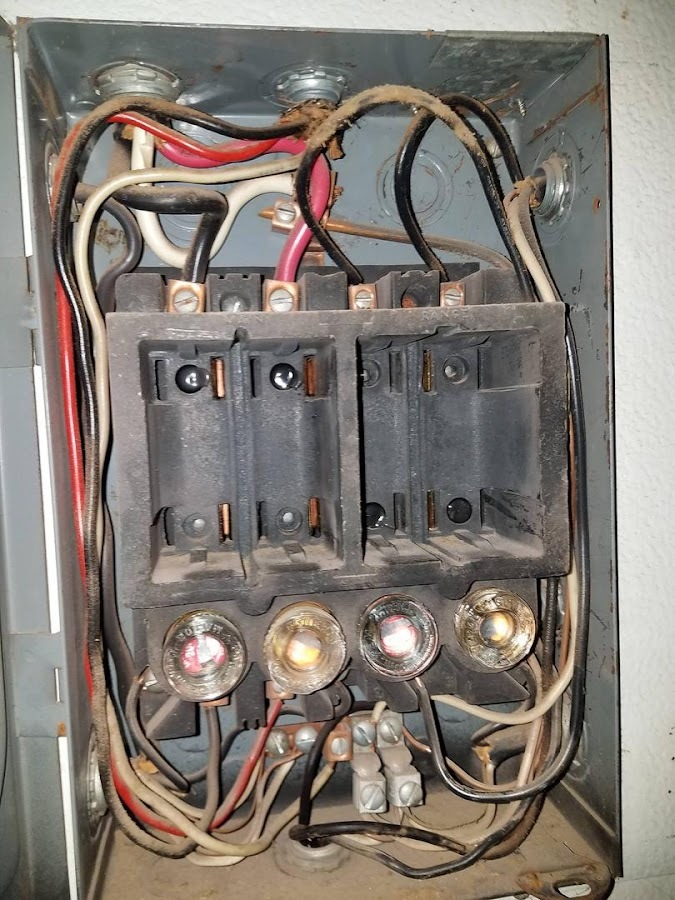
One of the most significant electrical wiring upgrades involves moving away from the “technology” of the mid-20th century. Many older homes in areas like Akron or Cleveland still rely on fuse boxes. While they were in their day, they simply aren’t built for 21st-century life.
Table: Fuse Boxes vs. Modern Circuit Breaker Panels
| Feature | Outdated Fuse Box | Modern Circuit Breaker Panel |
|---|---|---|
| Standard Capacity | 60 Amps | 100 – 200+ Amps |
| Safety Mechanism | Fuse “blows” (must be replaced) | Breaker “trips” (can be reset) |
| Overload Risk | High (people often use wrong fuse sizes) | Low (automatic internal protection) |
| Code Compliance | Generally non-compliant for new work | Current industry standard |
| Modern Tech Support | Poor (struggles with EV chargers/HVAC) | Excellent (designed for high loads) |
Addressing Outdated Materials and Safety Risks
If your home was built before the 1970s, the physical materials inside your walls might be the biggest threat to your safety. We often encounter “vintage” wiring that has simply reached the end of its lifespan.
Knob-and-Tube Wiring Common in homes built before the 1940s, knob-and-tube (K&T) consists of single-insulated copper wires run through porcelain “knobs” and “tubes.” The biggest issue? It lacks a ground wire. Furthermore, K&T was designed to dissipate heat into open air. When modern homeowners add attic insulation on top of it, the wires can overheat. Many insurance companies will actually deny coverage or cancel policies if they discover active K&T wiring.
Aluminum Wiring Between the mid-1960s and early 1970s, a spike in copper prices led builders to use aluminum wiring. We now know that aluminum expands and contracts more than copper, which leads to loose connections and “arcing” (sparks jumping between wires). This is a major fire hazard. According to the CPSC, homes with aluminum wiring are 55 times more likely to have an outlet reach “fire hazard conditions.”
Frayed Insulation Over decades, the protective coating on wires can become brittle and flake off, especially in the presence of rodents or heat. This exposes live wires, leading to shocks and fires.
Understanding these risks is a fundamental part of How to Rewire a House: A Homeowner’s Guide. To get a deeper grasp of how your home stays powered, check out our Power Up Your Knowledge: A Beginner’s Guide to Home Wiring.
Essential Safety Devices in Electrical Wiring Upgrades
Modern electrical wiring upgrades aren’t just about the wires themselves; they’re about the smart devices that monitor those wires.
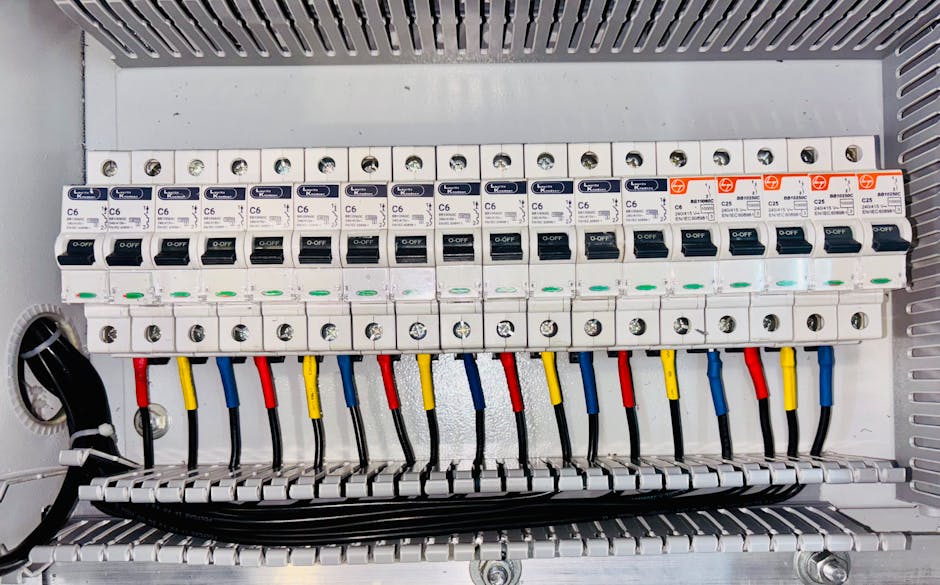
- GFCI Protection: Ground Fault Circuit Interrupters are mandatory in “wet” areas like kitchens, bathrooms, and garages. They detect if electricity is “leaking” (like through a person into water) and shut off power in milliseconds to prevent electrocution.
- AFCI Breakers: Arc Fault Circuit Interrupters are the “smoke detectors” of your wiring. They detect dangerous sparking (arcs) caused by damaged wires or loose connections—the kind that happen inside walls—and shut down the circuit before a fire starts.
- Tamper-Resistant Receptacles: These have built-in shutters to prevent children from sticking objects into the slots.
Ensuring these are installed correctly is a key part of Your Complete Guide to Installing Electrical Outlets Safely.
Future-Proofing for Modern Technology and Efficiency
When we talk about electrical wiring upgrades, we aren’t just fixing the past; we’re preparing for the future. The average American home now uses significantly more electricity than it did even 20 years ago.
The 200-Amp Standard While 100-amp panels were the standard for decades, a 200-amp service is now the benchmark for modern living. This provides enough “headroom” to run a central air conditioner, an electric range, and a Level 2 EV charger simultaneously without breaking a sweat.
Electric Vehicle (EV) Chargers Adding a Level 2 charger is like adding a whole new house’s worth of demand to your panel. Most chargers require a dedicated 240-volt circuit and pull 30 to 80 amps. If your panel is already at its limit, you’ll need an upgrade before you can reliably charge your car.
Smart Home Integration From smart switches to whole-home energy monitors, modern systems require stable, clean power. Upgrading your wiring ensures that your high-tech investments don’t suffer from “dirty” power or surges.
For a deeper dive into how these changes affect older structures, see the information in Electrical System Upgrades in Existing Buildings.
Capacity Planning for Modern Electrical Wiring Upgrades
How do we know if you need an upgrade? We use a process called a load calculation. This isn’t just guessing; it’s a mathematical assessment based on the National Electrical Code (NEC) Article 220.
We also follow the 80% Capacity Rule. For safety and longevity, an electrical panel should never be loaded to more than 80% of its rated capacity for a continuous period. If your 100-amp panel is consistently pulling 90 amps because of your new home office and high-efficiency HVAC system, it’s going to run hot, which shortens the lifespan of the components and increases fire risk.
You can learn more about these specifics in our article, Amp Up Your Home: Benefits and Costs of an Electrical Panel Upgrade.
The Professional Process: What Homeowners Should Expect
At Buckeye Electrical Solutions, we want the process to be as transparent as possible. A full-scale upgrade or rewire is a major project, and understanding the process can help reduce the “stress factor.”
- Professional Assessment: We start by looking at your current panel, the type of wiring in your walls, and your future power goals (like that hot tub you’ve been dreaming of).
- Permitting: In Northeast Ohio, major electrical work requires a permit. We handle the paperwork with the local building department to ensure everything is legal and up to code.
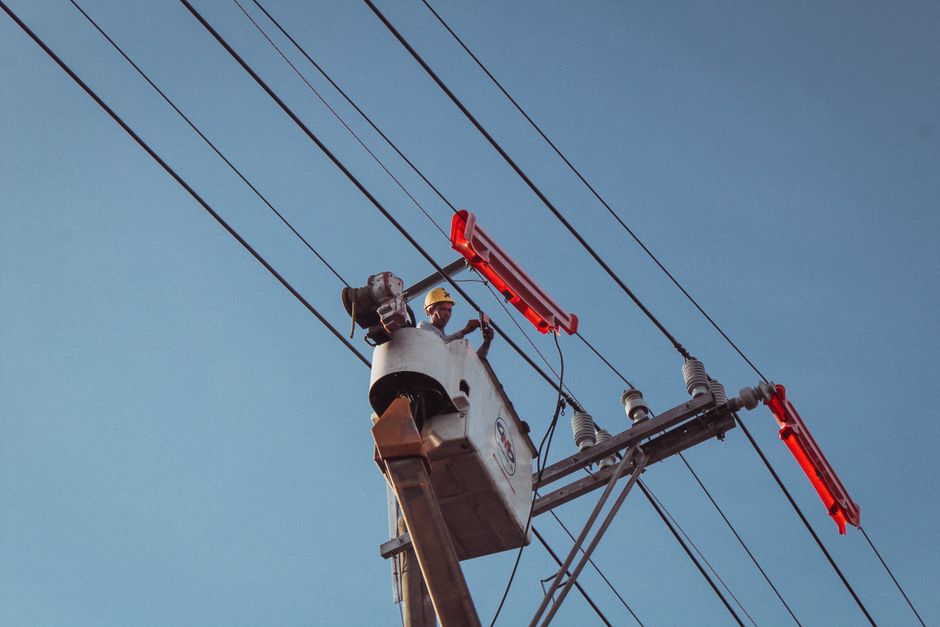
- Utility Coordination: If we are upgrading your service from 100 to 200 amps, we have to coordinate with the utility company (like FirstEnergy) to disconnect the power and potentially upgrade the lines coming from the street to your house.
- The Rough-In Phase: This is where the magic happens. We run the new wires through your attic, crawlspace, or behind the drywall. While we try to minimize disruption, we may need to make small access points in the walls.
- Final Inspection: Once the work is done, a local building inspector will verify that our work meets the 2023 NEC standards. This is your “seal of approval” for safety and insurance purposes.
For more details on the financial side of this process, check out our Panel Upgrade or Replacement: Your Guide to Costs and Savings.
Frequently Asked Questions about Wiring Upgrades
How long does a full home rewiring project typically take?
A full rewiring project typically takes anywhere from three days to two weeks. The timeline depends heavily on the size of your home and how accessible the wiring is. For example, a home with an open attic and a crawlspace is much easier to rewire than a multi-story home with finished ceilings.
We use “minimal disruption” strategies, working section-by-section so that you can usually stay in your home during the process, though you may lose power to specific rooms for a few hours at a time.
What factors influence the total cost of an electrical upgrade?
Several factors play into the final investment:
- Square Footage: Larger homes require more materials and more labor hours.
- Accessibility: If we have to cut into and repair a lot of drywall, the cost goes up.
- Material Costs: The price of copper and electrical components fluctuates.
- Permit Fees: These vary by municipality in Ohio.
- Scope: A simple panel upgrade might cost around $1,800, while a full home rewire can range from $4,000 to $15,000 (or $20,000+ for very large, historic homes).
Are there financial incentives available for upgrading my electrical system?
Yes! Under the Inflation Reduction Act, homeowners may be eligible for federal tax credits for electrical panel upgrades that support energy-efficient improvements (like heat pumps). Some local utility companies in Ohio also offer rebates for energy-saving upgrades. Furthermore, most insurance companies offer lower premiums once you’ve replaced hazardous materials like knob-and-tube or aluminum wiring, as the risk of a fire claim drops significantly.
Conclusion
Upgrading your home’s electrical system is about more than just keeping the lights on; it’s about peace of mind. At Buckeye Electrical Solutions, we take pride in helping our Northeast Ohio neighbors modernize their homes to meet the 2023 NEC standards. Whether you’re looking to increase your home’s resale value, prepare for an EV charger, or simply ensure your family is safe from fire hazards, we have the expertise to get the job done right.
Don’t wait for a burning smell or a flickering light to tell you there’s a problem. For a deeper look into maintaining your home’s “circulatory system,” read Beyond the Wires: What Every Homeowner Needs to Know About Residential Electrical Services.
Ready to power up? Buckeye Electrical Solutions is here to help. Schedule your professional electrical upgrade today and let us give your home the power it deserves!