Why Your Home’s Electrical System Deserves a Closer Look
A home electrical inspection is a professional assessment of your home’s electrical system – checking the panel, wiring, outlets, grounding, and safety devices to identify hazards before they become emergencies.
Here’s what you need to know at a glance:
| Question | Quick Answer |
|---|---|
| What is it? | A licensed electrician evaluates your electrical system for safety, code compliance, and efficiency |
| Who performs it? | A licensed electrician or certified home inspector |
| How often? | Every 3-5 years; every 2-3 years for older homes |
| How long does it take? | Typically 1-3 hours |
| What does it cost? | $100-$400 for a basic inspection |
| When should you act fast? | Flickering lights, burning smells, hot outlets, or frequent tripped breakers |
The numbers behind electrical safety are hard to ignore. According to the National Fire Protection Association (NFPA), electrical malfunctions cause an estimated 51,000 home structure fires every year in the U.S., resulting in roughly 2,300 deaths, 10,400 injuries, and $1.3 billion in property damage. The scariest part? Most of that wiring runs silently behind your walls – no visible leaks, no obvious warning signs, just hidden risk building over time.
Unlike a burst pipe, an electrical problem can go completely unnoticed until it’s too late.
I’m Aaron, owner of Buckeye Electrical Solutions LLC and a master electrician who has directed more than 60 permitted electrical projects across Northeast Ohio – including full residential rewires and panel upgrades where a home electrical inspection revealed serious hazards the homeowners never suspected. This guide will walk you through everything you need to know to protect your home and family.
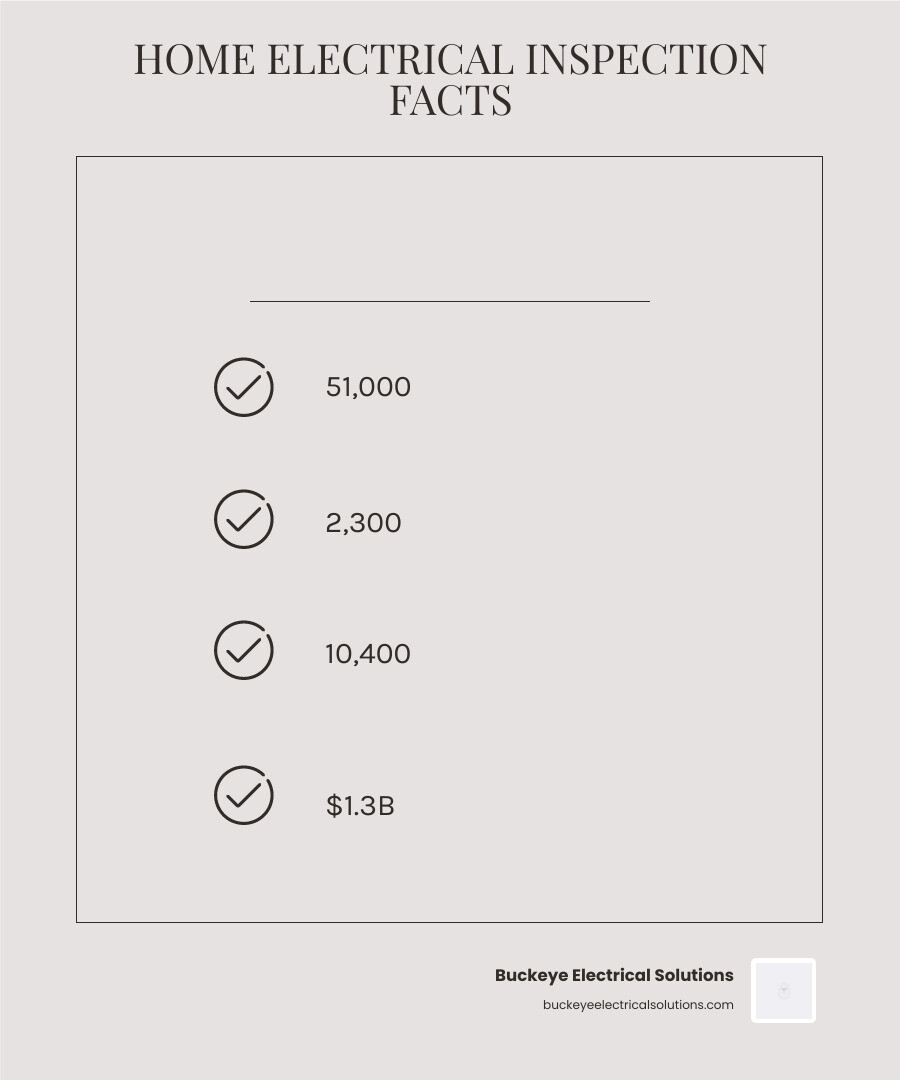
Simple home electrical inspection word guide:
What is a Home Electrical Inspection and Why Does It Matter?
At its core, a home electrical inspection is a comprehensive safety assessment. Think of it like a physical for your house. We aren’t just looking to see if the lights turn on; we are looking at the “arteries” of your home to ensure they can handle the modern pulse of electricity we demand today.
In Northeast Ohio, we see everything from century-old homes in Cleveland Heights to brand-new builds in the suburbs. Regardless of the age, the goal remains the same: fire prevention and life safety. Statistics from the Electrical Safety Foundation International (ESFI) show that bad electrical wiring is a leading cause of house fires. By identifying frayed wires, overloaded circuits, or outdated components, we can stop a fire before it ever starts.
Compliance with the National Electrical Code (NEC)
Electricity is governed by the National Electrical Code (NEC), which is updated every three years to include better safety standards. Ohio recently adopted the 2023 NEC in April 2024, which expanded requirements for things like GFCI protection. A professional inspection ensures your home isn’t stuck in the 1970s while you’re trying to run 2024 technology.
Insurance and Energy Efficiency
Beyond safety, there are practical financial reasons for an inspection. Many insurance companies in Ohio now require a 4-point inspection (which includes electrical) before they will cover older homes. If you have outdated wiring like knob-and-tube or aluminum, you might find your premiums skyrocketing or your coverage denied.
Furthermore, an inspection can boost energy efficiency. We often find loose connections or aging panels that generate excess heat-heat is wasted energy. By tightening up the system, you ensure your home runs as efficiently as possible. For more details on how we can help, check out our Residential Electrical Services.
Key Components of a Professional Inspection
When we arrive for a home electrical inspection, we follow a rigorous checklist. We don’t just glance at your outlets; we dig into the heart of the system.
The Main Electrical Panel and Circuit Breakers
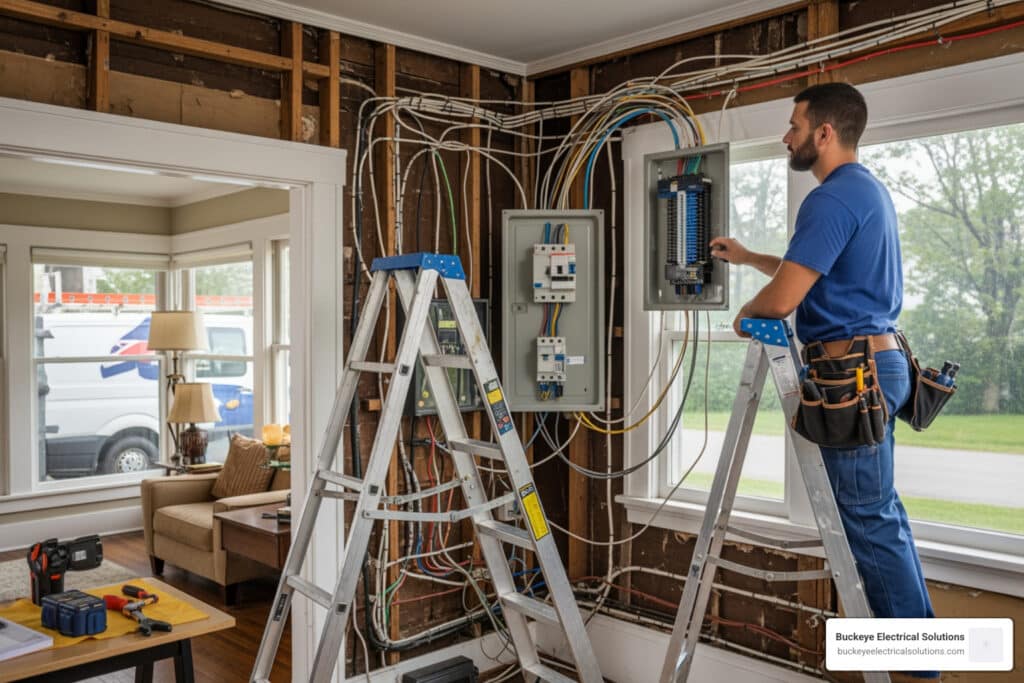
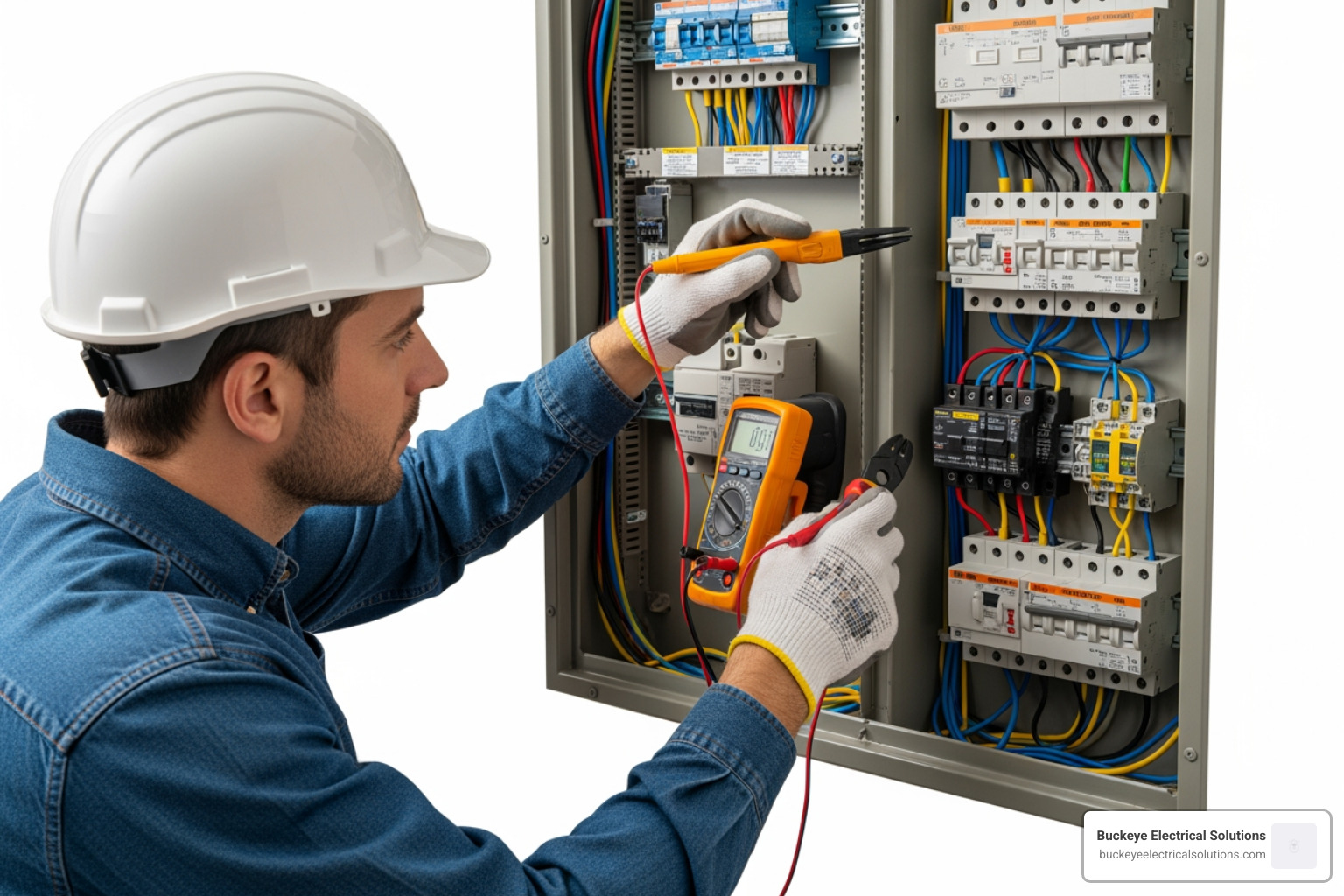
The electrical panel is the brain of your home. We check for:
- Amperage Capacity: Does your home have 60, 100, or 200-amp service? Modern homes usually need at least 150-200 amps to handle EV chargers, HVAC systems, and high-end appliances.
- Condition: We look for rust, corrosion, or evidence of moisture. In Ohio, damp basements can often lead to “white powder” residue on breakers, which indicates aging or chemical breakdown.
- Labeling: A properly labeled panel is a safety requirement, ensuring that circuits can be quickly and accurately identified during an emergency.
- Proper Connections: We verify that all wiring is securely and correctly attached to the appropriate terminals to prevent overheating and potential fire risks.
The Service Entrance and Meter Base
We also step outside. We inspect the electric meter and the service cables coming from the utility pole. Weathering, falling tree limbs, or even curious squirrels can damage these components. We check for broken seals or unstable attachments to the house, which could allow water to seep into your electrical panel.
To learn more about the full range of what we evaluate, visit Our Services.
Critical Safety Devices: GFCIs and AFCIs
One of the most important parts of a modern home electrical inspection is verifying the presence and function of safety interrupters. These devices are designed to act faster than a standard breaker to save lives.
- GFCI (Ground Fault Circuit Interrupter): These protect you from shock. They are required in “wet” areas like kitchens, bathrooms, garages, and outdoors.
- AFCI (Arc Fault Circuit Interrupter): These protect your home from fire. They detect dangerous arcing and shut down the circuit before it can ignite surrounding wood or insulation.
| Feature | GFCI (Ground Fault) | AFCI (Arc Fault) |
|---|---|---|
| Primary Goal | Prevent electrocution/shock | Prevent electrical fires |
| Common Locations | Bathrooms, Kitchens, Outdoors | Bedrooms, Living Rooms, Hallways |
| Testing Frequency | Monthly | Monthly |
Evaluating Wiring Types and Condition in a Home Electrical Inspection
Not all wiring is created equal. During an inspection, we identify what’s actually powering your home.
- Copper Wiring: The gold standard. It’s durable and conducts beautifully.
- Aluminum Wiring: Common in homes built between 1965 and 1973. It requires specific remediation to be safe.
- Knob-and-Tube: Found in pre-1950 homes. It lacks a grounding wire and wasn’t designed for modern loads. Most insurance companies will require this to be replaced.
Risks of Specific Panel Brands
We also keep a keen eye out for “red flag” panels. Brands like Federal Pacific Electric (FPE) and Zinsco were installed in millions of homes between 1950 and 1990. Research has shown these breakers often fail to trip when overloaded, turning your panel into a fire hazard. If we find one of these during an inspection, we almost always recommend an immediate upgrade.
When to Schedule Your Inspection
We recommend a professional home electrical inspection every 3 to 5 years for most homeowners. However, if you live in one of Northeast Ohio’s beautiful historic homes (over 25 years old), you should consider an inspection every 2 to 3 years.
Other critical times to schedule include:
- Buying or Selling a Home: Don’t let a “hidden” wiring issue kill your real estate deal. Sellers who proactively fix electrical issues often preserve $10,000–$20,000 in sale price.
- Major Renovations: If you are adding a room, finishing a basement, or installing a hot tub, your system needs to be evaluated to ensure it can handle the new load.
- New Appliance Installation: High-draw appliances like Level 2 EV chargers or electric ranges require dedicated circuits and a capacity check.
Warning Signs You Need a Home Electrical Inspection Now
Sometimes, your home tries to tell you there’s a problem. Do not ignore these “cries for help”:
- Flickering or Dimming Lights: This often indicates a loose connection or an overloaded circuit.
- Burning Smells: If you smell something like “burnt plastic” near an outlet or the panel, turn off the power and call us immediately.
- Hot Outlets or Switch Plates: Outlets should never feel warm to the touch.
- Frequent Breaker Trips: If you can’t run the toaster and the microwave at the same time without a “pop,” your system is overloaded.
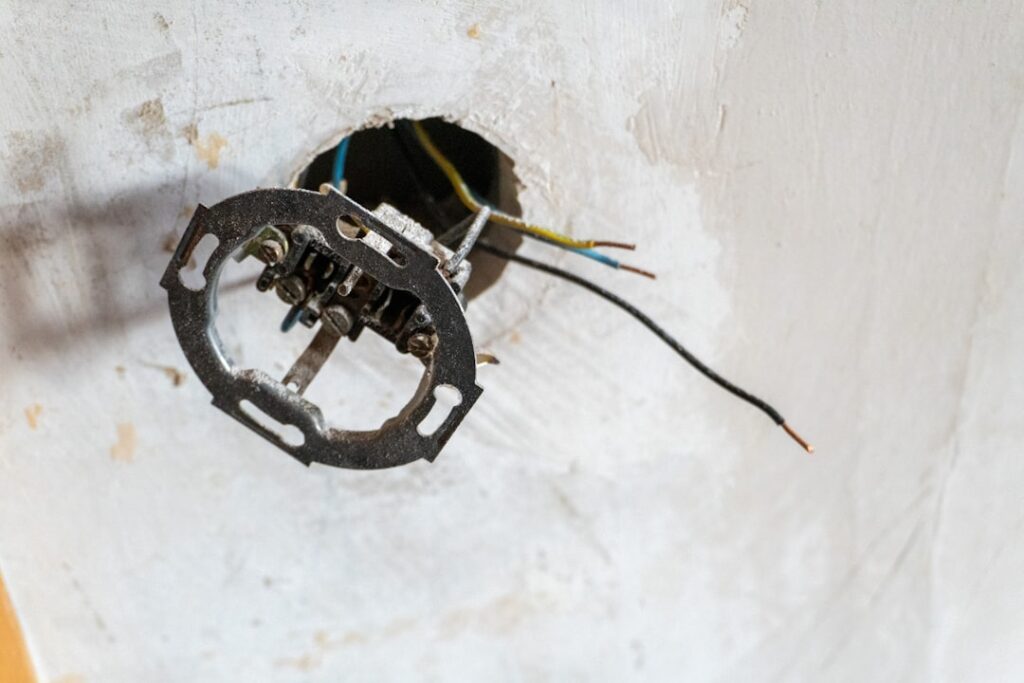
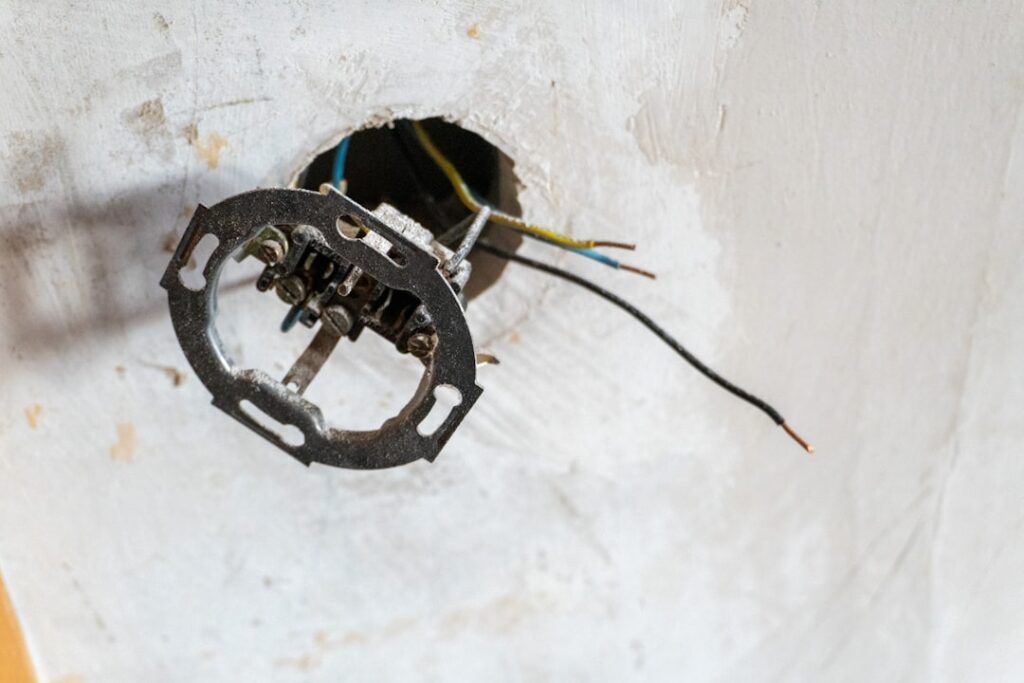
- Discolored Wall Plates: Brownish or charred-looking marks on your outlets are a sign of dangerous arcing.
- Rising Energy Costs: If your bill is climbing but your habits haven’t changed, an aging component might be wasting electricity as heat.
The Professional Inspection Process
What actually happens when we show up at your door? Here is the general flow of a professional home electrical inspection:
- Initial Assessment: We start by talking to you. We want to know about any flickering lights, weird smells, or “quirks” you’ve noticed.
- Visual Examination: We walk through the home, checking the placement and condition of outlets, switches, and fixtures to ensure they meet safety standards.
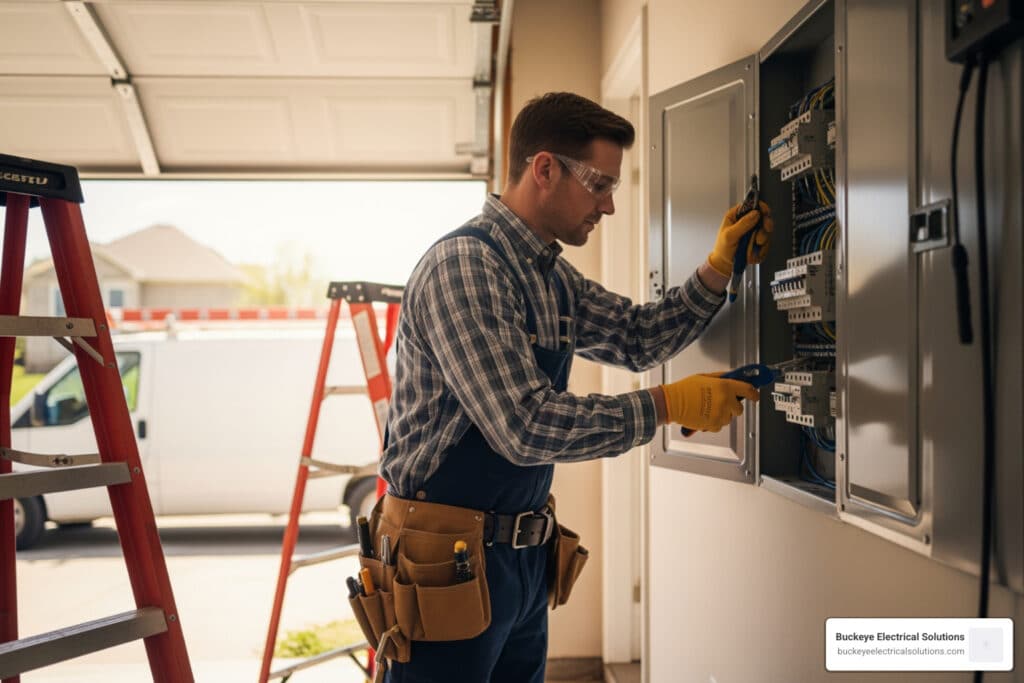
- The Panel Probe: We conduct a detailed internal inspection of your electrical panel to evaluate the wiring condition, verify proper grounding, and ensure all breakers are correctly matched to the circuits they protect.
- Device Testing: We use specialized meters to test the voltage and polarity of your outlets. We also manually test every GFCI and AFCI device to ensure they trip and reset correctly.
- Grounding and Bonding Verification: We check the grounding rod outside and ensure your metal water and gas pipes are properly bonded to the electrical system.
- Safety Alarms: We check the age and placement of smoke and carbon monoxide detectors.
- Detailed Reporting: We provide a comprehensive report detailing what we found, what’s urgent, and what can be planned for the future.
Our team at Buckeye Electrical Solutions takes pride in this meticulous process. You can learn more About Us and our commitment to safety.
Frequently Asked Questions about Home Electrical Inspections
How much does a home electrical inspection cost?
In the Northeast Ohio area, a basic standalone home electrical inspection typically costs between $100 and $400. The price varies based on the size of your home, the number of circuits, and the complexity of the system (e.g., if you have sub-panels or outbuildings). If the inspection is part of a full home-buying “4-point” inspection, it may be bundled into a $300–$500 package.
What is the difference between a home and building electrical inspection?
A home electrical inspection is usually a voluntary safety check or a requirement for a real estate sale, focusing on general safety and functionality. A building electrical inspection is a code-intensive review performed by a city official or a licensed contractor to verify that new work meets specific local codes and permits. If you are doing a renovation, you will likely need both!
How long does the inspection typically take?
For a standard 1,500 to 2,000-square-foot home, expect the process to take 1 to 3 hours. If the home is older, has a cluttered basement, or has complex wiring, it may take a bit longer. We recommend being present so we can show you exactly what we find.
Conclusion
Your home’s electrical system is its most vital—and most dangerous—utility. At Buckeye Electrical Solutions, we’ve spent over 20 years serving our neighbors in Northeast Ohio, from Akron to Cleveland. We believe that a proactive home electrical inspection is the single best investment you can make in your family’s safety and your property’s value.
Don’t wait for a “spark” of inspiration—or a literal spark in your wall. Whether you’re buying a new home, planning a renovation, or just haven’t had your wiring checked since the Browns last won a championship (just kidding… mostly), we are here to help.
Ready to ensure your home is safe? Contact us to schedule your inspection today and let our experienced team provide the peace of mind you deserve.