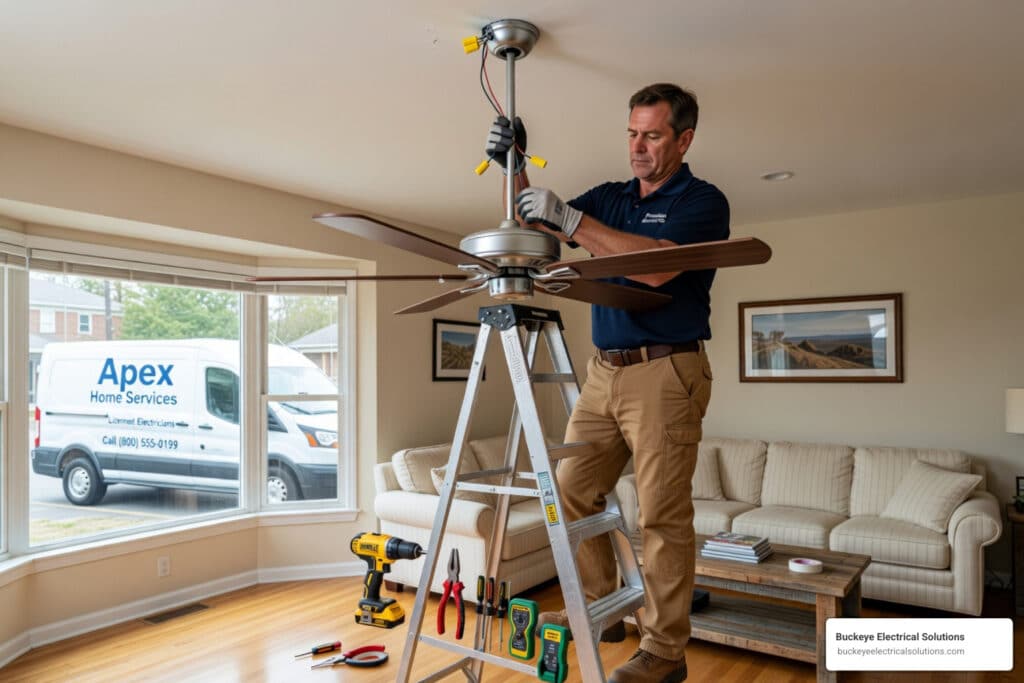

Introduction: Powering Safety and Efficiency
An electrical maintenance checklist is a structured, step-by-step guide that helps facilities and homeowners identify potential hazards, prevent equipment failures, and ensure safe operation through regular inspections of panels, wiring, outlets, safety devices, and backup systems. At its core, it includes monthly GFCI testing, quarterly panel inspections, and annual professional assessments with clear, repeatable tasks.
Key components of an effective electrical maintenance checklist:
- Electrical panels and breakers – Check for overheating, corrosion, and proper labeling of all circuits
- Wiring and connections – Inspect for damage, fraying, or loose terminations and repair as needed
- Safety devices – Test GFCIs, AFCIs, smoke detectors, and CO detectors monthly
- Lighting systems – Verify emergency lighting, inspect fixtures, and replace burned-out bulbs
- Backup power – Test generators and UPS systems on a regular semi-annual schedule
- Professional inspection – Schedule an annual assessment by a licensed electrician familiar with local codes
Your electrical system is the lifeline of any building. It powers everything from lights and HVAC to critical equipment and safety systems. When electrical components fail, the consequences range from minor inconveniences to catastrophic fires, injuries, or even death. According to industry research, over two-thirds of system failures can be avoided with a strong electrical preventive maintenance program.
Electrical Preventive Maintenance (EPM) takes a proactive approach. Instead of waiting for something to break, you systematically inspect, test, and maintain electrical components on a regular schedule. This strategy identifies worn contacts, loose connections, overheating circuits, and other warning signs before they escalate into dangerous failures or costly downtime.
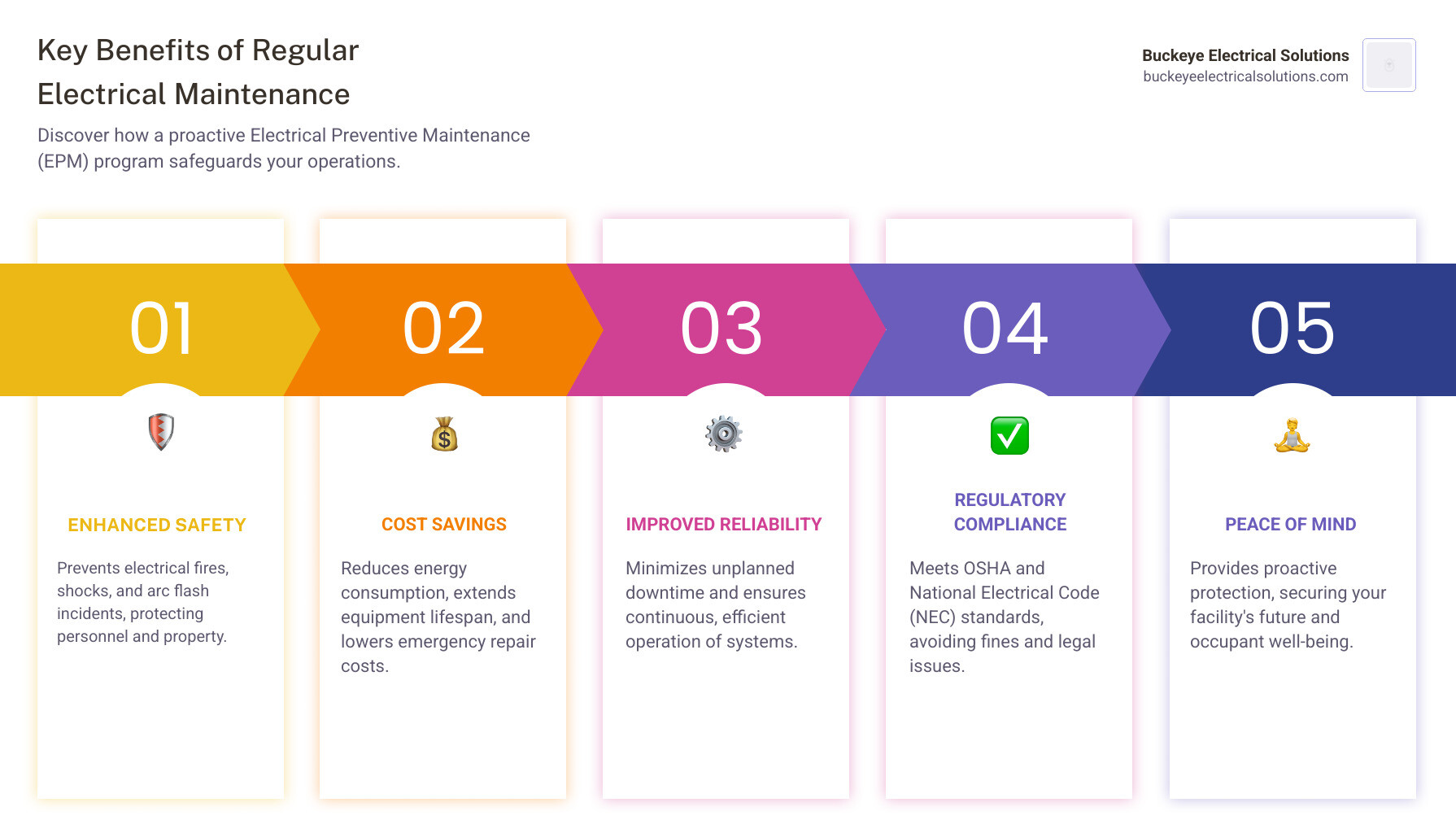
The benefits are clear: improved safety, lower energy bills, extended equipment life, and compliance with codes like OSHA and the National Electrical Code. Whether you manage a commercial facility, own an industrial operation, or simply want to protect your Northeast Ohio home, a structured electrical maintenance checklist is your roadmap to reliability and peace of mind.
I’m Aaron, and I’ve led Buckeye Electrical Solutions through more than 60 permitted electrical projects across Northeast Ohio, from whole-home upgrades to large commercial rewires. In that work, I see every week how a thorough electrical maintenance checklist prevents emergency calls, reduces surprises, and keeps systems running safely. Implementing regular electrical inspections has saved our clients thousands of dollars in avoided repairs and downtime.
Why Proactive Electrical Maintenance is Non-Negotiable
Ignoring your electrical system is a bit like ignoring that strange squeak in your car’s engine: eventually, it is going to turn into a much bigger, more expensive problem. With electrical systems, the stakes are much higher than a tow truck bill. Proactive electrical maintenance is simply non-negotiable for safety, operational continuity, and your bottom line.
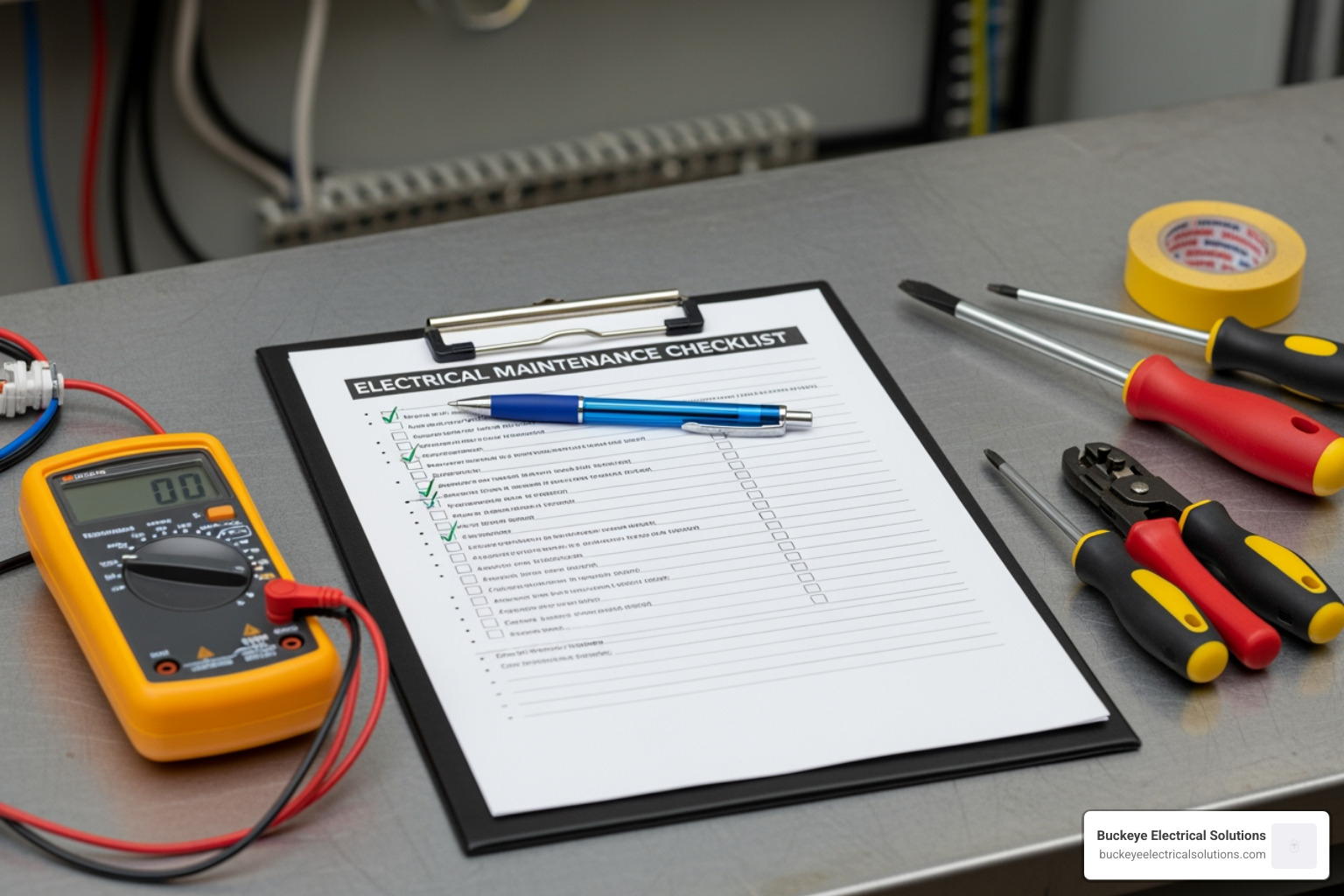
Our experience in Northeast Ohio has shown that regular maintenance dramatically reduces safety risks. It helps prevent fire hazards, electrical shocks, and arc flash incidents that can cause severe injury or death. The U.S. Consumer Product Safety Commission (CPSC) highlights numerous home electrical safety issues that can be mitigated with simple checks, as detailed in their Home Electrical Safety Checklist from the CPSC.
Beyond safety, a robust EPM program offers significant cost savings. By regularly inspecting and maintaining your system, you can reduce energy consumption, extend the lifespan of your valuable electrical equipment, and avoid the much higher costs associated with emergency repairs and unplanned downtime. Industry research consistently shows that the cost of repairing damaged equipment during a breakdown is almost always more than addressing a potential issue before it escalates. This proactive approach also helps support compliance with regulatory standards like OSHA. For a deeper discussion of the overall advantages, explore the Electrical Preventive Maintenance benefits.
The High Cost of Neglect
Reactive maintenance is a painful cycle. It is the difference between scheduling a routine oil change and waiting for your engine to seize on the highway. When it comes to electrical systems, neglecting regular checks means you are operating on borrowed time.
The consequences of neglect are often severe:
- Unplanned downtime: For businesses, an unexpected electrical outage means lost productivity, missed deadlines, and frustrated customers. Imagine a restaurant in Akron losing power during dinner rush, or a manufacturing plant halting production. That is not just an inconvenience; it is a direct hit to revenue.
- Emergency repair costs: When a system fails unexpectedly, you are not just paying for the repair; you are paying for urgency. Emergency service calls, expedited parts, and overtime labor can quickly inflate costs far beyond what a planned maintenance visit would have been.
- Equipment replacement: Minor issues, if left unaddressed, can cascade into major equipment failures. A loose connection might lead to overheating, which could damage an entire panel or motor, requiring costly replacement instead of a simple tightening.
- Business interruption: Beyond direct repair costs, there is the ripple effect. Data loss, spoiled inventory, interrupted supply chains, and inability to serve customers can cripple operations and have long-lasting financial impacts.
- Damaged reputation: For commercial and industrial facilities, repeated electrical failures can erode client trust and damage your brand’s reputation for reliability and safety.
The Benefits of a Consistent EPM Program
A consistent EPM program flips that script. Instead of reacting to failures, you plan ahead and control the risks and costs.
- Improved reliability: Regular inspections and proactive repairs make your electrical system less likely to fail. This translates to consistent power, fewer disruptions, and smoother operations, whether you are running a busy office building or enjoying a quiet evening at home in Northeast Ohio.
- Improved employee safety: By identifying faulty components, frayed wires, or overloaded circuits before they become dangerous, you significantly reduce the risk of electrical fires, shocks, and arc flash incidents. A diligent EPM program supports a safer work environment for everyone.
- Compliance with codes: Electrical codes and standards (like the NEC and NFPA 70B) are periodically updated. Staying on top of maintenance helps keep your facility aligned with current expectations, demonstrating due diligence. The 2023 update to NFPA 70B, for instance, shifted many recommended practices into formal standards for electrical equipment maintenance.
- Lower utility bills: A well-maintained electrical system runs more efficiently. Loose connections, dirty components, and outdated equipment can all lead to energy waste. By addressing these issues, you can reduce energy consumption and, consequently, your monthly utility bills.
- Long-term savings: While there is an upfront investment in EPM, it pays dividends over time. By preventing costly breakdowns, extending equipment life, and optimizing energy usage, you save money in the long run.
- Peace of mind: Knowing that your electrical system has been thoroughly inspected and maintained by professionals provides confidence. You can be more certain that your facility or home is safer, more efficient, and less prone to unexpected electrical problems.
The Ultimate Electrical Maintenance Checklist
Ready to take charge of your electrical system? The following electrical maintenance checklist covers the critical areas that should be reviewed on a recurring basis. Use it as a starting point and adapt it to your building, equipment, and risk level.
General System and Panel Inspection
The electrical panel is the heart of your electrical system. It controls the flow of power throughout your facility or home. Neglecting it is like ignoring warning signs from your own heart.
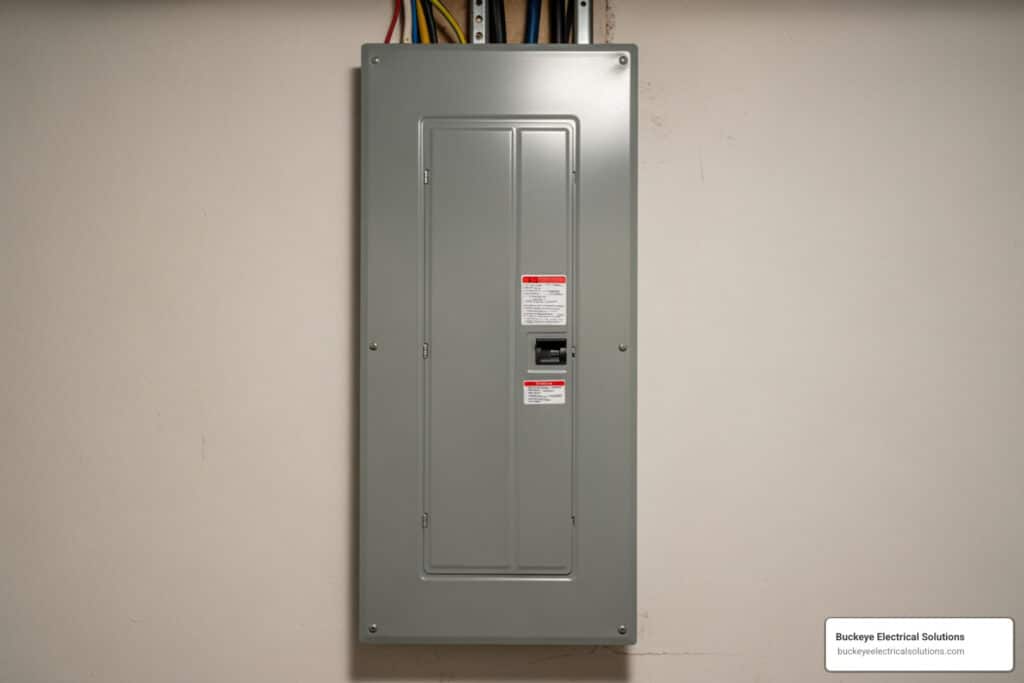
- Electrical panels, circuit breakers, and fuses: Visually inspect panels for any signs of damage, wear, or overheating. Look for rust, corrosion, or discoloration, which can indicate moisture or excessive heat. Confirm all breakers are properly labeled, so you know exactly what each one controls. Pay attention to any burning smells or buzzing or crackling sounds, which are red flags.
- Signs of overheating, corrosion, moisture: These are critical indicators. Overheating can lead to insulation breakdown and fire. Corrosion can impede current flow and cause equipment failure. Moisture, especially in Northeast Ohio’s humid summers and snowy winters, can lead to shorts and dangerous conditions.
- Proper labeling: An unlabeled panel causes confusion and can slow down emergency response. Ensure all circuits are clearly identified and updated when new equipment or circuits are added.
- Grounding systems: Proper grounding is essential for safety. Inspect grounding systems and connections for corrosion or damage and verify proper bonding between equipment and grounding systems.
- Surge protection devices: These devices protect your sensitive electronics from power surges. Inspect them for damage or loose connections and verify that whole-house or facility surge protection is in place where appropriate.
- Tightness of connections: Loose connections are a common culprit for overheating and electrical faults. Check and tighten electrical connections in panels and distribution boards following manufacturer torque specifications and applicable standards.
Wiring, Outlets, and Safety Devices
Your electrical wiring is like the veins and arteries of your system, carrying vital power. Outlets and safety devices are the checkpoints that prevent hazards.
- Wiring and cables: Inspect all visible wiring and cables for signs of fraying, damage, or insulation deterioration. Rodent damage, especially in attics and basements, is a particular concern in our region. Confirm all wiring is properly secured and protected according to NEC requirements.
- Insulation integrity: The insulation around wires keeps electricity contained. If it is cracked, brittle, or damaged, it is a serious shock and fire hazard that needs correction.
- GFCI outlets and AFCI circuit interrupters: Ground Fault Circuit Interrupters (GFCIs) protect against electrical shock, especially in areas near water (kitchens, bathrooms, garages). Arc Fault Circuit Interrupters (AFCIs) detect dangerous electrical arcs that can cause fires.
- Monthly testing: Test your GFCIs and AFCIs monthly by pressing the “test” button and then the “reset” button. If they do not trip or reset, they need replacement. These devices can fail without showing any other signs.
- Switches and faceplates: Verify that all switches and outlets are working properly and are cool to the touch. Warm outlets or switches can indicate an unsafe wiring condition. Confirm all electrical plugs fit snugly into outlets because loose connections can cause overheating.
- Secure connections: Just like in panels, loose connections at outlets and switches can lead to arcing and heating. Address any damaged or loose devices.
- Unused outlet covers: Especially important if children are present, unused outlet covers reduce the risk of accidental shocks.
Equipment, Lighting, and Backup Power
Beyond the core infrastructure, many specialized electrical components require attention to ensure your facility or home operates smoothly.
- HVAC electrical components: Heating and cooling systems are major power consumers. Inspect their electrical connections, motors, and controls to support efficient and safe operation, especially for the extreme temperatures experienced in Northeast Ohio.
- Motors and pumps: For industrial facilities or homes with well pumps or sump pumps, these are vital. Inspect motors and pumps for unusual noises, vibrations, proper lubrication, and clean cooling vents. For sump pumps, confirm they are plugged into dedicated outlets and consider battery backup systems, especially given the potential for winter thaws and spring rains causing basement flooding.
- Lighting systems: Inspect all lighting fixtures, both indoor and outdoor. For outdoor lighting, check for damage from ice and snow, confirm weatherproof covers are intact, and consider switching to energy-efficient LED bulbs, which perform well in cold temperatures.
- Emergency and exit lighting: For commercial facilities, emergency and exit lighting are essential life safety features. Test these systems regularly, including battery backups, to verify they function correctly during a power outage.
- Backup generators: Generators are increasingly common in Northeast Ohio due to unpredictable weather. Test generators regularly, confirm fuel levels are adequate, inspect exhaust systems, and verify transfer switch operation so they respond properly during an outage.
- Uninterruptible Power Supplies (UPS): For critical electronics, a UPS provides a buffer against power interruptions. A detailed Preventive Maintenance Checklist for a UPS includes semi-annual checks of batteries, relays, meters, and circuit breakers.
- Battery systems: Inspect battery banks (for UPS, emergency lighting, or generators) for proper electrolyte levels where applicable, clean terminals, and overall condition, and replace batteries according to manufacturer guidelines.
Tailoring Your Checklist: Frequency and Property Type
A one-size-fits-all approach to an electrical maintenance checklist does not work. The frequency and specific tasks on your checklist need to be customized based on your property type, usage patterns, and the unique demands of your electrical system. A busy commercial kitchen in downtown Cleveland will have different needs than a residential home in Akron.
Recommended Maintenance Frequencies
Establishing a clear maintenance schedule is key to a proactive EPM program. The intervals below are common starting points; your licensed electrician can refine them based on actual conditions.
-
Monthly tasks:
- Test GFCIs and AFCIs: As mentioned, this is a non-negotiable safety check for both residential and commercial properties.
- Visual inspection of cords: Quickly check all visible power cords and extension cords for fraying, cracks, or damage. Replace any damaged cords immediately.
- Check emergency lighting: For commercial facilities, do a quick walk-through to confirm all emergency and exit lights are operational.
- Smoke and CO detectors: Test them monthly using the built-in test button.
-
Quarterly tasks:
- Inspect electrical panels: Perform a more thorough visual inspection for signs of overheating, corrosion, or loose breakers.
- Clean equipment: Dust and debris can cause overheating. Clean around electrical equipment, ensuring adequate ventilation.
- Check ventilation: Confirm there are no obstructions around electrical panels or equipment that could impede airflow.
- Outdoor electrical components: Inspect outdoor outlets and fixtures for weather damage, especially after seasonal changes in Northeast Ohio.
-
Annual tasks:
- Professional inspection: Schedule a comprehensive inspection by a licensed electrician. They can spot hidden issues you might miss.
- Infrared thermography: A professional can use this technology to identify hot spots (indicating overloaded circuits or loose connections) not visible to the naked eye.
- Torque connections: Over time, electrical connections can loosen. A professional will check and re-torque critical connections.
- Test breakers: Circuit breakers should be exercised periodically to help ensure they operate correctly when needed.
- Battery replacement: Replace batteries in smoke and carbon monoxide detectors annually. Replace the detectors themselves every 10 years (smoke) or 2 to 5 years (CO), following manufacturer instructions.
- Generator and UPS test: Conduct a full test of backup power systems under load to verify they can support critical equipment.
Customizing Your Electrical Maintenance Checklist
Electrical systems vary greatly. The following guidance shows how to tailor your electrical maintenance checklist for different property types.
-
Residential properties: For homeowners in Northeast Ohio, safety and efficiency are paramount. Our Residential Electrical Services focus on helping ensure your home’s electrical system is up to date and safe for your family.
- Smoke detectors and CO detectors: Test monthly, replace batteries annually, and replace units as recommended (10 years for smoke, 2 to 5 years for CO).
- Appliance cords: Regularly inspect all appliance cords for damage. Unplug counter-top appliances when not in use to reduce wear and standby consumption.
- Service panel check: Look for rust, hot breakers, or burning smells. If your home is over 20 years old, consider a professional inspection, as panels may not meet current code or capacity needs.
- Outdoor outlets: Confirm weatherproof covers are intact, especially before winter.
- Light bulbs: Use appropriate wattage bulbs for fixtures to prevent overheating and consider LED retrofits.
-
Commercial facilities: These often have more complex power distribution needs. Our Commercial Electrical Services are designed to help keep your business running smoothly.
- Power distribution: Schedule regular inspection of main service panels, sub-panels, and distribution boards.
- Transformers: Inspect for leakage, overheating, or abnormal noise.
- Fire alarm systems: Beyond electrical, these are critical life safety systems. Regular testing and maintenance are essential and often required by code or local authority.
- Emergency lighting: Test monthly and document results.
- HVAC electricals: Confirm large HVAC units are running efficiently and safely, checking disconnects, contactors, and control wiring.
-
Industrial settings: With heavy machinery and high-power equipment, industrial electrical maintenance is highly specialized. Our Our Services cover the rigorous demands of industrial electrical systems.
- High-power equipment: Follow specific maintenance schedules for motors, pumps, and production machinery, including insulation testing and vibration checks where applicable.
- Motor control centers (MCCs): Inspect and test relays, breakers, and connections within MCCs on a defined cycle.
- Power quality monitoring: Industrial facilities are susceptible to power quality issues (harmonics, voltage sags) that can damage sensitive equipment. Monitoring helps identify and mitigate these.
- Backup systems: More robust UPS and generator systems require detailed maintenance and proper load testing.
- Component replacement: Follow manufacturer recommendations for replacing components that have reached their expected operational life, such as cooling fans in drive systems and aging contactors.
Advanced EPM: Technology, ROI, and Professional Expertise
Modern electrical maintenance goes far beyond just tightening screws and dusting panels. It leverages proven technology and strategic planning to improve efficiency, safety, and return on investment.
The Role of Technology in Modern Maintenance
Technology has changed how many facilities approach electrical maintenance, making it easier to move from reactive repairs to more predictive, data-informed decisions.
- Infrared thermography: Infrared cameras can detect abnormal heat patterns that indicate overloaded circuits, loose connections, or failing components before they become visible problems. This tool is valuable for identifying hot spots that could lead to fires or equipment failure.
- Predictive maintenance: By using data from sensors and historical performance, it is possible to anticipate when components are likely to fail. This allows for scheduled maintenance during planned downtime, avoiding many costly surprises. Some advanced drive technologies can estimate remaining component life based on actual usage.
- Power quality analyzers: These devices monitor voltage, current, frequency, and harmonics to detect disturbances that can damage sensitive electronics, especially in industrial and commercial settings.
- Computerized Maintenance Management Systems (CMMS): Software solutions such as CMMS help manage maintenance schedules, track tasks, generate work orders, and store data about your electrical assets. This streamlines the EPM process.
- Digital record keeping: Maintaining detailed records of inspections, repairs, and test results is important. This not only aids in troubleshooting but also provides a historical overview of your system’s condition, helping refine future maintenance strategies.
Measuring the ROI of Your EPM Program
For businesses and facility managers, justifying the investment in an EPM program often comes down to demonstrating its financial impact. A structured approach to tracking costs and savings makes this easier.
- Calculating ROI: A simple approach compares the total savings generated by EPM (reduced repair costs, avoided downtime, energy savings) against the cost of implementing the program.
- Tracking repair costs: Keep organized records of all electrical repair and replacement costs before implementing EPM. Then, track these costs after implementation. Many facilities see a substantial decrease over time.
- Measuring downtime savings: Estimate the financial impact of unplanned downtime (lost production, employee wages, business interruption). EPM tends to reduce the frequency and duration of these events.
- Labor cost considerations: While EPM involves scheduled labor, it often reduces the need for emergency call-outs and overtime. Well-maintained equipment usually requires less frequent and less complex repairs, potentially lowering labor hours over time.
- Supporting maintenance budgets: By presenting clear data on cost savings and improved safety, you can more easily support your EPM budget and make a case for investment in advanced tools and technologies.
When to Call a Professional Electrician
While a homeowner or facility staff member can handle some basic checks, many aspects of electrical maintenance require the expertise of a licensed professional. Knowing when to call is crucial for safety and for the integrity of your electrical system.
- Warning signs: Do not ignore indicators such as flickering lights, buzzing sounds from outlets or panels, frequent breaker trips, burning smells, or hot outlets and switches. These often signal serious underlying problems.
- Complex repairs: Anything beyond replacing a light bulb or testing a GFCI should be left to qualified professionals. This includes working inside electrical panels, replacing wiring, or installing new circuits.
- Code considerations: Electrical codes are detailed and change over time. A professional electrician helps verify that your system aligns with local and national standards, which is especially important for commercial properties in Northeast Ohio.
- Annual safety audits: An annual comprehensive electrical inspection for facilities and homes can identify potential hazards that might go unnoticed. Licensed electricians can perform thorough visual inspections, advanced testing such as thermography, and targeted corrective work.
- New installations or upgrades: Whenever you are adding new major appliances, renovating, or upgrading your electrical service, a professional electrician is essential to confirm proper installation and capacity.
- Regional considerations: In Northeast Ohio, the climate brings specific challenges, such as humid summers that can cause moisture buildup and freezing winters that can stress outdoor equipment. Local electricians understand these nuances and can provide targeted maintenance. Do not hesitate to Contact Us if you have any concerns.
Conclusion: Secure Your Facility’s Future with a Robust EPM Plan
Implementing a robust electrical maintenance checklist is more than just a good idea; it is a fundamental necessity for safety, efficiency, and long-term savings. A proactive approach can transform a potentially hazardous and costly electrical system into one that is reliable and safer.
From helping to prevent dangerous fires and shocks to extending the life of your valuable equipment and reducing energy waste, the benefits of Electrical Preventive Maintenance are significant. It supports compliance with important safety expectations and provides the peace of mind that comes from knowing your electrical infrastructure is in top condition.
Do not wait for an electrical emergency to highlight the importance of maintenance. For comprehensive electrical maintenance and professional inspections in Northeast Ohio, the experienced team at Buckeye Electrical Solutions is ready to help evaluate and maintain your systems. We can work with you to develop and implement an EPM plan custom to your specific needs, protecting your investment and everyone who relies on your electrical system.
Schedule your professional electrical assessment with us today and take the next step toward staying charged and safe.