Why Understanding Short Circuits Can Save Your Home
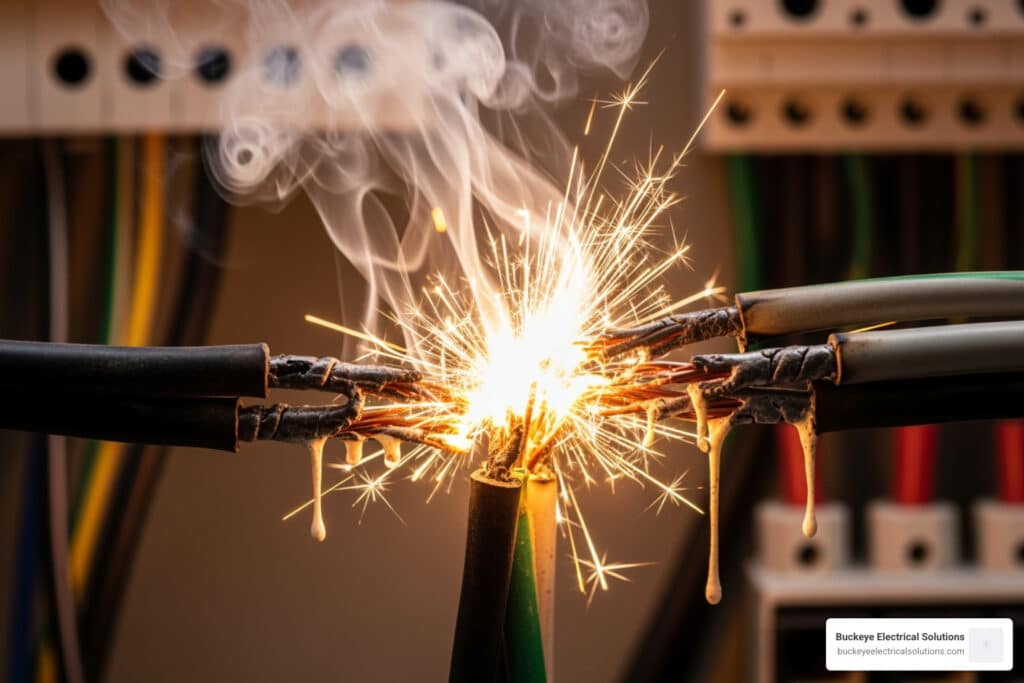
An electrical short circuit is a dangerous fault that occurs when electricity flows along an unintended path with very low resistance, causing a sudden surge of current that can generate extreme heat, sparks, and fire. Here’s what you need to know:
What is an electrical short circuit?
- Electricity takes a shortcut through an unintended path instead of following the normal circuit route
- Current spikes to hundreds or even thousands of times the normal level within milliseconds
- Creates intense heat that can ignite surrounding materials
The three main types:
- Normal short circuit – Hot wire contacts neutral wire directly
- Ground fault – Hot wire touches a grounded surface or component
- Arc fault – Damaged insulation causes repeated electrical arcing
Common warning signs:
- Circuit breakers that trip repeatedly
- Burning smell near outlets or switches
- Visible sparks when plugging in devices
- Buzzing or popping sounds from electrical components
Imagine you’re at home when suddenly the lights start flickering like a disco ball—that’s not party time, it’s often your electrical system crying for help. Short circuits are dangerous. This creates a hazard that can harm human beings and property due to severe shock, electrical fire, or small explosions. If a short circuit isn’t addressed, it becomes far more than a nuisance—it becomes a serious fire hazard and is one of the leading causes of residential electrical fires in Canada and the United States.
I’m Aaron, owner of Buckeye Electrical Solutions, and over the years I’ve helped dozens of Northeast Ohio homeowners diagnose and repair electrical short circuits before they turned into major disasters. Through more than 60 permitted projects across the region, I’ve seen how understanding the basics of short circuits can help you protect your family and property.
Understanding the Basics of an Electrical Short Circuit
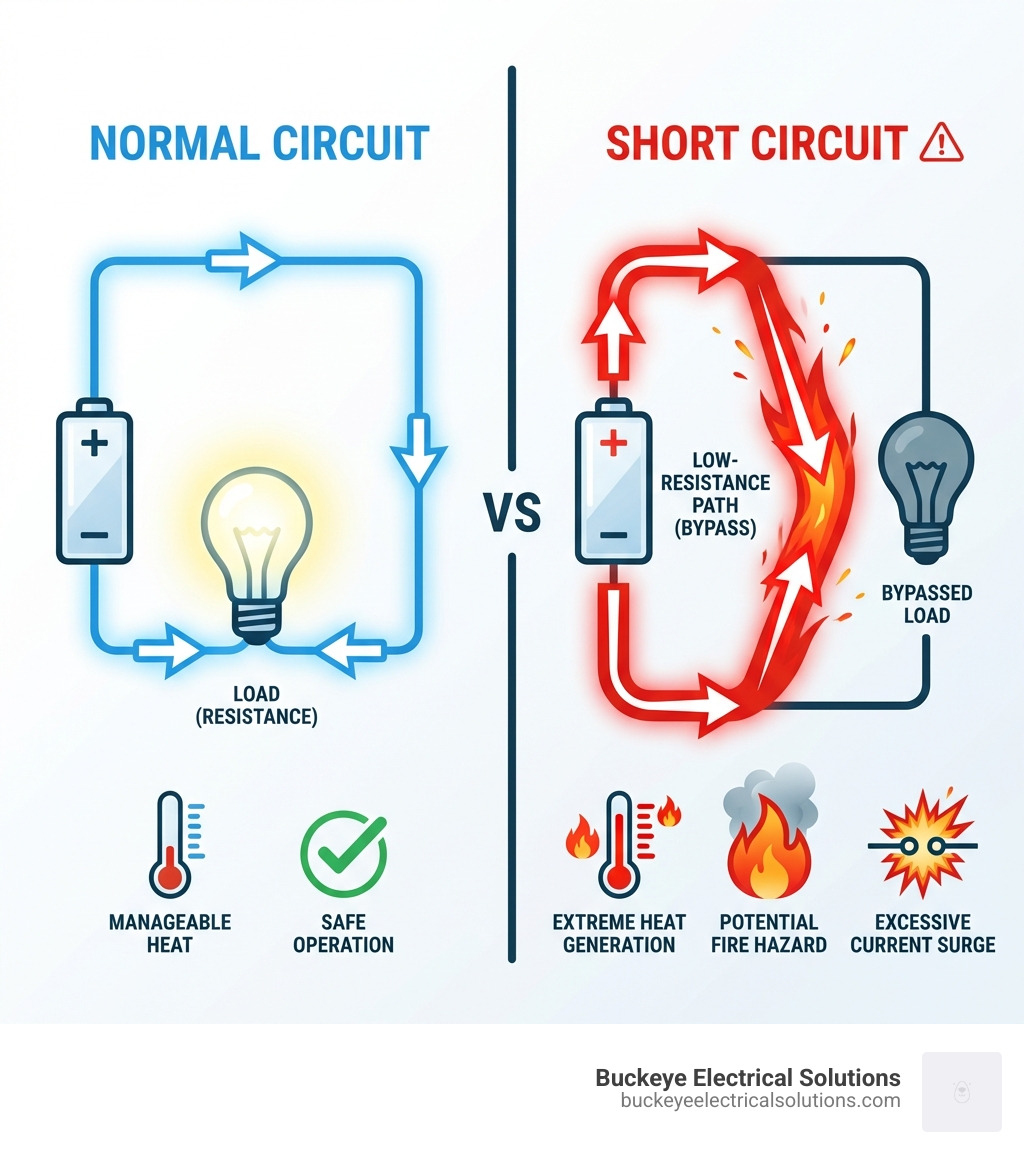
At its core, an electrical short circuit is a fundamental disruption in the normal flow of electricity. Think of it like a river that suddenly finds a much steeper, shorter path to the ocean, bypassing all the twists and turns it normally takes. In an electrical system, this “shortcut” is a path of exceptionally low resistance.
According to the laws of physics, specifically Ohm’s Law, current flow is inversely proportional to resistance. This means if resistance drops dramatically, the current skyrockets. When a short circuit occurs, the electrical current can surge to hundreds or even thousands of times its normal operating level within milliseconds. This sudden, uncontrolled rush of electricity generates an immense amount of heat almost instantly. This heat is the primary reason why electrical short circuits are so dangerous, as it can quickly melt wire insulation, ignite surrounding materials, and lead to serious fires or even small explosions.
Experts in circuit analysis define a short circuit as an electrical circuit that allows current to travel along an unintended path with no or very low electrical impedance. This can cause the power source itself to be damaged or destroyed if not quickly interrupted. As noted in the “Introduction to Short Circuit Analysis” from PDHonline, the fault current delivered by a short circuit is incredibly high, posing significant risks to both people and property.
Types of Electrical Faults
Not all electrical faults are created equal, and understanding the different types can help us better grasp their specific dangers and how our homes are protected. While an electrical short circuit is a broad term for an unintended path of current, we generally categorize them into three main types based on how that path is created:
| Type of Short Circuit | Description | Primary Hazard |
|---|---|---|
| Normal Short Circuit (Hot-to-Neutral) | A “hot” (live) wire, carrying electrical current, directly contacts a neutral wire. The current bypasses the intended appliance or load. | High current flow, rapid heat generation, significant fire hazard. |
| Ground Fault (Hot-to-Ground) | A hot wire comes into contact with a grounded surface or component, such as a metal appliance casing, a metal conduit, or the bare copper ground wire. | Current flows to the earth. Poses a greater shock hazard to humans, but can also lead to fire. |
| Arc Fault | Occurs when electricity “jumps” across a gap between damaged or loose conductors, creating a high-temperature plasma arc. This is often an intermittent event. | Intense heat and sparks, often igniting nearby materials. Leading cause of electrical fires, potentially smoldering unseen within walls. |
Beyond these common household types, in larger power systems, faults can also be classified by their symmetry. Asymmetric faults (like a single line-to-ground fault) are far more common in transmission lines (roughly 65-70%) than symmetric faults (which account for only about 5%). While these technical distinctions are more relevant for utility engineers, for us homeowners in Northeast Ohio, focusing on the three main types above helps us identify and prevent the most common dangers in our electrical systems. It’s like knowing the difference between a minor fender-bender and a head-on collision—both are accidents, but their impacts are vastly different!
Common Causes and Telltale Signs
When we talk about electrical short circuits, we often imagine a dramatic spark. But the reality is, many shorts are the result of seemingly innocuous issues that build up over time—everyday wear and tear, seasonal conditions, or small installation mistakes. Just like a tiny crack in a foundation can lead to major structural problems, minor electrical issues can escalate into dangerous short circuits.
Common Causes of an Electrical Short Circuit
Understanding the root causes is the first step in prevention. Here are some of the most frequent culprits we encounter in Northeast Ohio homes:
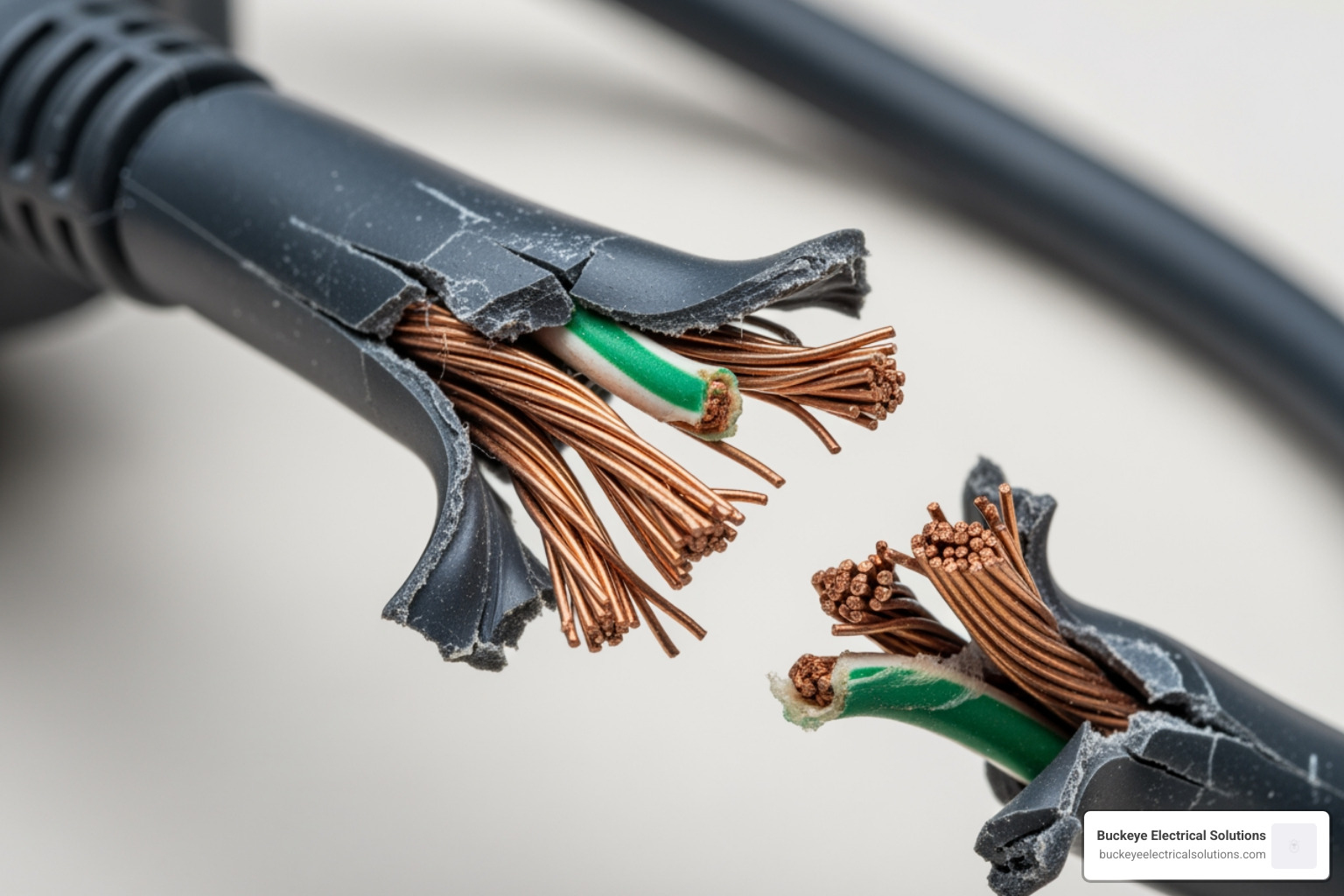
- Faulty Wire Insulation: This is a big one. Electrical wires are protected by insulation (like PVC or polyethylene) to keep the current contained. Over time, this insulation can degrade due to age, heat, or exposure to chemicals. Rodents, like mice or squirrels, also love to chew on electrical wires, especially in attics and basements, exposing the live conductors. A nail or screw accidentally piercing a wall can also damage insulation, leading to a short.
- Water and Moisture Damage: Water and electricity are a dangerous combination. Given Northeast Ohio’s diverse weather, from humid summers to snowy winters, moisture can seep into outdoor electrical boxes, outlets, or even behind walls due to plumbing leaks. Water is a conductor, and when it bridges the gap between a live wire and another conductor (or ground), it creates a direct path for current, causing a short circuit. This is why we always emphasize keeping electrical equipment dry.
- Loose Connections: Over time, connections in outlets, switches, and electrical panels can loosen due to natural expansion and contraction of metal components or simply from repeated use. A loose connection can increase resistance, leading to overheating, which in turn can melt insulation and cause wires to touch, resulting in a short circuit or an arc fault.
- Old or Damaged Outlets, Switches, and Appliances: Electrical components aren’t meant to last forever. Outlets that are 15-25 years old can have an increased probability of problems, including loose internal wiring or worn contacts. Faulty wiring within an appliance, its power cord, or even its plug can also cause a short when connected to an outlet. Always inspect appliance cords for fraying or scorching.
- Overloaded Circuits: While not a short circuit itself, an overloaded circuit can lead to one. When too many high-power devices are plugged into a single circuit, the wires can overheat. This excessive heat can damage the wire’s insulation, making it brittle or melted, eventually allowing the hot and neutral wires to touch and create a short.
- Physical Damage from Nails or Screws: During home renovations or even simple tasks like hanging a picture, it’s possible to accidentally drive a nail or screw into a wall where electrical wiring is hidden. This can puncture the wire’s insulation, causing a direct short.
Warning Signs to Watch For
Our homes often give us subtle (and not-so-subtle) clues when an electrical problem is brewing. Being aware of these warning signs can help us address an issue before it becomes a hazard:
- Frequently Tripped Circuit Breakers or Blown Fuses: Your circuit breaker is like a diligent guard, protecting your home. If a breaker trips repeatedly, it’s a clear sign that something is wrong, often indicating an overload or an electrical short circuit. Don’t just reset it and forget it; investigate!
- Burning Smell or Rubbery Odor: A faint whiff of burning plastic or hot rubber near an outlet, switch, or electrical panel is a major red flag. This smell indicates that insulation or other electrical components are overheating, possibly due to a short or a loose connection.
- Visible Sparks or Arcing: Seeing sparks when you plug in an appliance is usually not normal. While a tiny, momentary spark can sometimes occur when a connection is made, persistent sparks, bright flashes, or any arcing (electricity jumping across a gap) are serious warning signs of a short circuit or arc fault.
- Buzzing or Popping Sounds from Outlets/Switches: Electrical systems should operate silently. If you hear buzzing, crackling, or popping sounds coming from outlets, switches, or within the walls, it often indicates arcing or loose connections that are creating small electrical discharges.
- Flickering or Dimming Lights: Lights that flicker or dim, especially when other appliances turn on, can signal an overloaded circuit or fluctuating voltage caused by a developing short.
- Discolored or Scorched Outlets/Switches: Look for any discoloration, charring, or melted plastic around electrical outlets or light switches. These are signs of overheating, which could be due to a short circuit or a loose connection.
- Mild Shock from Appliances: If you ever feel a tingling sensation or a mild shock when touching an appliance, it could indicate a ground fault. This means the appliance’s metal casing has become energized, and current is trying to find a path to ground through you.
If you observe any of these signs in your Northeast Ohio home, it’s crucial to act promptly. Ignoring them is like turning a deaf ear to a smoke alarm—it’s just not worth the risk.
The Hidden Dangers: Why a Short Circuit is a Serious Hazard
An electrical short circuit isn’t just a nuisance that interrupts our power supply; it’s a genuine safety risk that can have devastating consequences. When electricity takes that unintended path of least resistance, it releasees a torrent of energy that can be incredibly destructive.
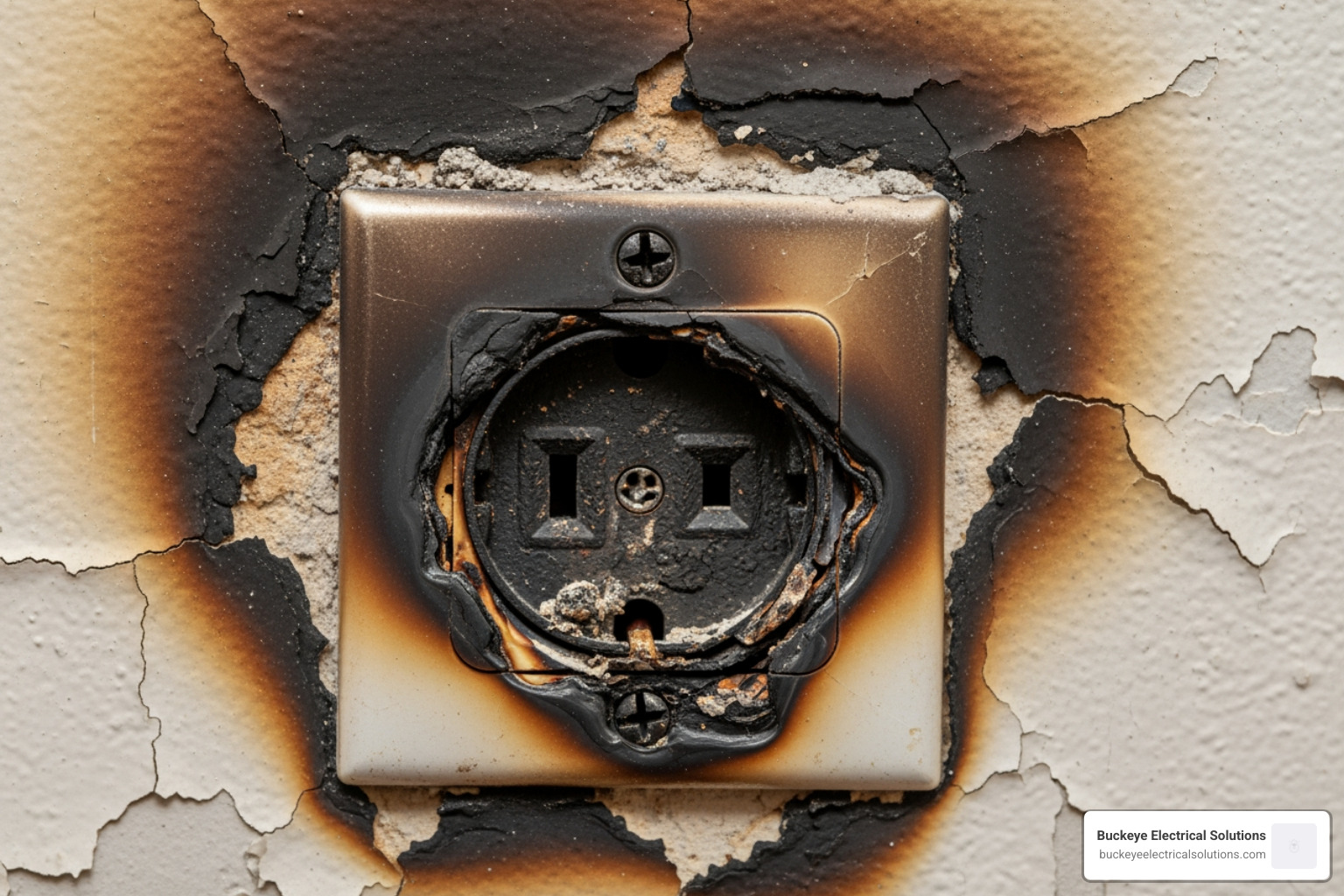
Here in Northeast Ohio, we’ve seen the dangers these faults pose. Within milliseconds, a short circuit can deliver a fault current that is hundreds or thousands of times higher than the normal operating current of the system. This extreme current manifests in several perilous ways:
- Fire Risk: This is arguably the most significant danger. The intense heat generated by a short circuit can instantly melt wire insulation and ignite nearby combustible materials like wood, drywall, or fabrics. A spark from a short circuit can quickly escalate into a full-blown electrical fire in wiring, appliances, extension cords, or other electrical devices. Indeed, continuously resetting a tripped breaker without fixing the underlying fault allows repeated arcing inside the walls or outlets, which can melt insulation, damage wiring, and eventually ignite surrounding materials. This is one of the leading causes of residential electrical fires.
- Electrical Shock and Electrocution: Especially with ground faults, a short circuit can energize metal surfaces, making them dangerous to touch. If a person becomes part of this unintended electrical path, they can suffer severe electrical shock, leading to burns, cardiac arrest, or even death.
- Damage to Appliances and Electronics: The sudden surge of current and extreme heat can fry sensitive electronics and permanently damage appliances. This isn’t just an inconvenience; it can be an expensive problem, especially if valuable equipment is destroyed. Overloaded wires, often a precursor to a short, will also overheat, causing damage to the wire’s insulation.
- Arc Flash Danger: When a short circuit occurs, particularly in higher voltage industrial or commercial settings, it can create an arc flash. This is an incredibly powerful electrical explosion that produces a flash of light, intense heat, and a pressure wave. Temperatures during an arc flash can exceed 2,250 degrees Celsius – hotter than the surface of the sun for a split second! Arc flashes can cause severe injuries, including:
- Third-degree burns: From direct contact with the arc or superheated air.
- Cardiac arrest, hearing loss, blindness, nerve damage, and even death: Due to the sheer force and heat.
- Molten metal: Droplets of molten metal can be propelled up to 10 feet, causing severe burns and deep wounds.
- High-pressure waves: The sudden expansion of air creates a blast that can cause physical injuries and propel shrapnel.
In industrial and utility distribution systems, the dynamic forces generated by high short-circuit currents are so powerful they can cause conductors to spread apart, potentially damaging busbars, cables, and other apparatus. For us homeowners, the primary concern remains the fire and shock hazards, which are very real and demand our attention. Ignoring these dangers is simply not an option.
Prevention and Protection: Safeguarding Your Home
When it comes to electricity, an ounce of prevention is truly worth a pound of cure. Proactive maintenance and understanding how our homes are protected are key to preventing a dangerous electrical short circuit. We believe in empowering our Northeast Ohio neighbors with the knowledge to keep their families and property safe.
The Role of Protective Devices
Our electrical systems aren’t just a maze of wires; they’re equipped with clever devices designed to detect and interrupt problems before they escalate. These safety heroes work tirelessly to protect us:
- Circuit Breakers: These are the unsung heroes of our electrical panels. When a circuit is overloaded or experiences an electrical short circuit, the breaker automatically “trips,” cutting off power to that circuit. This prevents the wires from overheating and potentially starting a fire. Unlike old fuses, circuit breakers can be reset (once the fault is cleared, of course!).
- Fuses: Found in older homes or specific appliances, fuses serve a similar purpose to circuit breakers. They contain a thin metal wire that melts and breaks the circuit when excessive current flows through it. If your home still relies on fuses, it’s wise to consider an upgrade to a modern circuit breaker panel for improved safety and convenience.
- Ground Fault Circuit Interrupters (GFCIs): These specialized outlets or breakers are designed to protect us from ground faults, which pose a significant shock hazard. GFCIs constantly monitor the current flowing in and out of a circuit. If they detect even a tiny imbalance (meaning current is flowing through an unintended path, like a person!), they trip almost instantly, cutting off power. We typically install GFCIs in areas prone to moisture, such as bathrooms, kitchens, laundry rooms, garages, and outdoors, as required by electrical codes.
- Arc Fault Circuit Interrupters (AFCIs): AFCIs are newer and incredibly important for fire prevention. They detect dangerous arcing conditions (intermittent sparks or electricity jumping across gaps) that might not be severe enough to trip a regular circuit breaker but can still generate enough heat to start a fire. AFCIs are typically installed as breakers in the electrical panel and are now required in many living areas of homes, including bedrooms, living rooms, hallways, and dining areas.
- Whole-Home Surge Protectors: While not directly preventing short circuits, these devices protect your entire electrical system and connected appliances from power surges caused by lightning strikes, utility grid fluctuations, or even internal overloads. They divert excess voltage away from your sensitive electronics, adding another layer of protection.
Proactive Prevention Tips
Beyond relying on these clever devices, there are many proactive steps we can take as homeowners to significantly reduce the risk of an electrical short circuit:
- Inspect Cords and Outlets Regularly: Make it a habit to check appliance cords for fraying, cracks, or any signs of damage. Replace worn or cracked cords immediately. Inspect outlets for discoloration, burn marks, or loose connections. Outlets older than 15-25 years often have an increased probability of problems and might warrant an inspection or upgrade.
- Avoid Overloading Circuits: We know it’s tempting to plug everything into one outlet, especially with all our modern gadgets, but resist the urge! Overloading outlets forces too much current through the wiring, causing it to overheat and potentially damage insulation, leading to a short. Be mindful of how many high-power devices (like hair dryers, toasters, and microwaves) are on a single circuit.
- Use Power Bars Safely: If you need more outlets, use a quality power bar with surge protection, not just a basic extension cord. Never daisy-chain power bars or extension cords. Also, avoid using extension cords as a permanent wiring solution; if you need more permanent outlets, it’s time to call us to install them!
- Keep Electrical Equipment Dry: Water and electricity are a perilous mix. Ensure outdoor outlets are weatherproofed, and always keep electrical appliances away from sinks, bathtubs, and other water sources. If wiring gets wet, it can cause insulation breakdown, leading to shocks and fires, not just tripped breakers. Always shut off power to an area before attempting to dry electrical wires and call a professional if you suspect significant water damage.
- Schedule Professional Inspections: Just like your car needs regular maintenance, your home’s electrical system benefits from periodic check-ups. We recommend arranging for a professional electrical inspection at least once annually, especially for older homes. Our licensed electricians can identify potential hazards, loose connections, outdated wiring, and other issues that could lead to an electrical short circuit before they become dangerous.
- Be Mindful of DIY Projects: When undertaking home improvements, be extremely careful when drilling or nailing into walls. Always assume there’s wiring behind the drywall and use a stud finder with electrical detection capabilities.
- Upgrade Outdated Wiring: If your home has old, cloth-insulated wiring, or if you’re frequently experiencing electrical issues, it might be time for an upgrade. Modern wiring is more robust and safer.
For comprehensive assessments and upgrades to ensure your home’s electrical safety, learn More info about our Residential Electrical Services.
Frequently Asked Questions about Electrical Short Circuits
We often hear similar questions from homeowners in Northeast Ohio about electrical short circuits. Here are some of the most common ones, along with our expert insights:
What happens if a short circuit is left unfixed?
Leaving an electrical short circuit unfixed is like leaving a ticking time bomb in your home. It becomes far more than just a nuisance; it escalates into a serious fire hazard. Here’s what can happen:
- Increased Fire Hazard: This is the most critical risk. Continuously resetting a tripped breaker without addressing the underlying fault allows repeated arcing to occur inside your walls or outlets. This arcing generates intense heat, which can melt insulation, damage wiring, and eventually ignite surrounding materials like wood studs or insulation. This is a leading cause of residential electrical fires.
- Damage to Your Electrical System: The repeated heat and arcing can cause permanent damage to your wiring, outlets, switches, and even your electrical panel. This can lead to more frequent problems, costly repairs, and a less reliable electrical system.
- Risk of Shock and Electrocution: An unfixed ground fault short circuit, in particular, can energize metal components in your home, posing a continuous risk of severe electrical shock.
Ignoring a short circuit is a gamble with your home and family’s safety.
Why does a short circuit make a popping or booming sound?
That startling popping or booming sound you hear during an electrical short circuit is actually a dramatic manifestation of physics in action. When a short occurs, the current instantly surges to an incredibly high level because of the near-zero resistance. This massive influx of energy is released almost instantaneously.
This rapid energy release causes the air around the fault to heat up and expand at an extreme rate, creating a sudden pressure wave. This phenomenon is very similar to how lightning creates thunder. The “boom” is the sound of that air rapidly expanding under immense pressure. It’s a clear and unmistakable sign that a significant electrical event has just taken place, and it demands immediate attention.
Can I fix a short circuit myself?
While it’s commendable to be handy around the house, when it comes to an electrical short circuit, our advice is almost always to call a professional electrician. Electricity is inherently dangerous, and attempting DIY electrical repairs without proper training, tools, and safety knowledge can lead to serious injury, electrocution, fire, or further damage to your electrical system.
Here’s why we strongly recommend professional help:
- Complexity of Diagnosis: Finding the exact location and cause of a short circuit can be very challenging. It often requires specialized tools like multimeters for continuity testing and a deep understanding of circuit diagrams. Even isolating the circuit and identifying faulty appliances can be a tricky process for the untrained eye.
- Hidden Dangers: Many short circuits occur behind walls, inside appliances, or within the electrical panel itself, making them difficult and dangerous to access.
- Risk of Injury: Trying to fix a live electrical issue is never worth the risk. Even after turning off a breaker, residual current or misidentified circuits can still pose a threat.
- Code Compliance: Electrical work must comply with local building codes. A professional electrician ensures all repairs are safe and up to standard, protecting your home and your insurance coverage.
While you can safely take initial steps like turning off the tripped breaker and unplugging all devices from that circuit to see if the breaker stays on, any further investigation or repair should be left to the experts. If you see sparks, hear crackling, spot smoke or fire, or have a burning smell, call us immediately.
When in Doubt, Call the Experts
Understanding electrical short circuits—what they are, what causes them, and their potential dangers—is crucial for every homeowner in Northeast Ohio. From frayed wires to overloaded circuits, the signs are often there if we know what to look for. Ignoring these warning signals or attempting risky DIY fixes can turn a minor electrical issue into a catastrophic event, risking fire, shock, and significant property damage.
At Buckeye Electrical Solutions, we’ve dedicated over 20 years to providing quality residential and commercial electrical repair, installation, and maintenance across Northeast Ohio. We pride ourselves on exceptional service and prompt project completion, ensuring your home’s electrical system is not only functional but, more importantly, safe.
Don’t wait until an electrical short circuit causes damage to your home. Make sure the latest technology protects you. Keep your home and family safe by calling us today for an expert inspection or repair. For comprehensive electrical safety checks and repairs, explore Our Services. We’re here to bring peace of mind and light back into your home, anytime you need it.