Why an Old House Electrical Upgrade Is More Urgent Than You Think
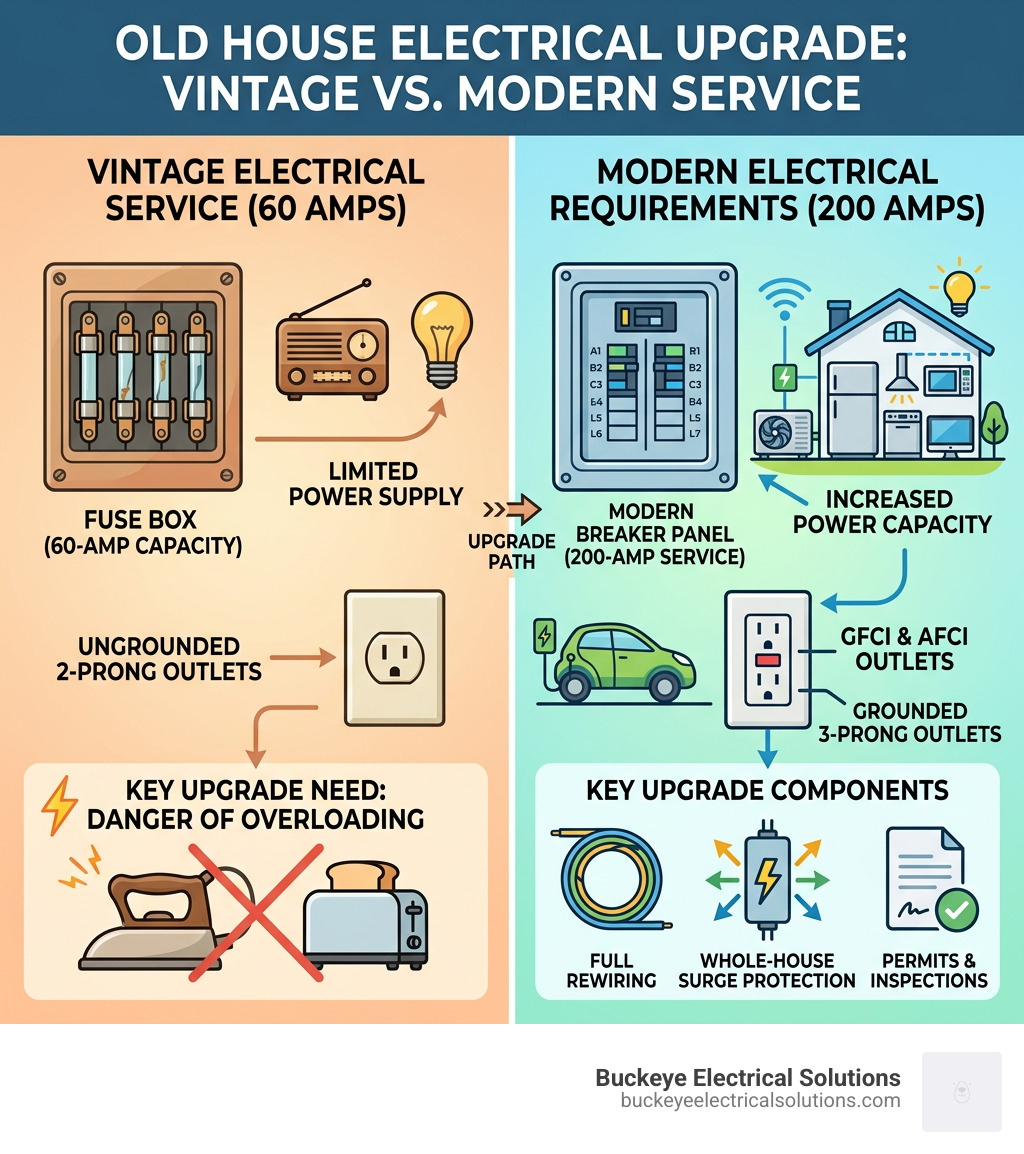
Electrical upgrade projects in an old home are one of the most important — and most overlooked — investments a homeowner can make. Here’s a quick overview of what’s typically involved:
What does an electrical upgrade inan older home include?
| Upgrade Component | Why It Matters |
|---|---|
| Electrical panel replacement | Old panels often max out at 60 amps; modern homes need 200 amps |
| Full or partial rewiring | Knob-and-tube and aluminum wiring are fire and shock hazards |
| GFCI and AFCI outlets | Required by code in kitchens, bathrooms, and other areas |
| Grounded three-prong outlets | Protects against surges and electrocution |
| Whole-house surge protection | Safeguards modern electronics and appliances |
| Permits and inspections | Required for code compliance in Ohio |
Old homes have a lot going for them — the character, the craftsmanship, the solid bones. But behind those plaster walls and under those beautiful hardwood floors, the electrical system is often decades behind where it needs to be.
Homes built before the 1970s were designed for a fraction of today’s power demands. Back then, 60 amps was considered plenty. Today, the average household needs at least 200 amps to safely run HVAC systems, kitchen appliances, computers, EV chargers, and more.
The gap between what old wiring was built for and what we ask it to do every day is where the danger lives.
Frayed insulation, ungrounded outlets, and overloaded circuits don’t just trip breakers — they start fires. In fact, many insurance companies now refuse to cover homes with certain types of old wiring, like knob-and-tube, still in active use.
I’m Aaron, owner of Buckeye Electrical Solutions LLC and a master electrician who has directed more than 60 permitted electrical projects across Northeast Ohio — including full residential rewires and panel upgrades in older homes just like yours. I’ve seen what outdated wiring does to a home, and this overview of old house electrical upgrades explains the critical components of professional modernization and the importance of bringing your home up to modern safety standards.
Recognizing the Signs Your Old House Needs an Electrical Upgrade
Living in a historic Northeast Ohio home means appreciating the past, but your electrical system shouldn’t be a relic. Often, your house will try to tell you it’s struggling long before a major failure occurs. If you’re noticing “ghosts” in the machine, it’s likely time for an old house electrical upgrade.
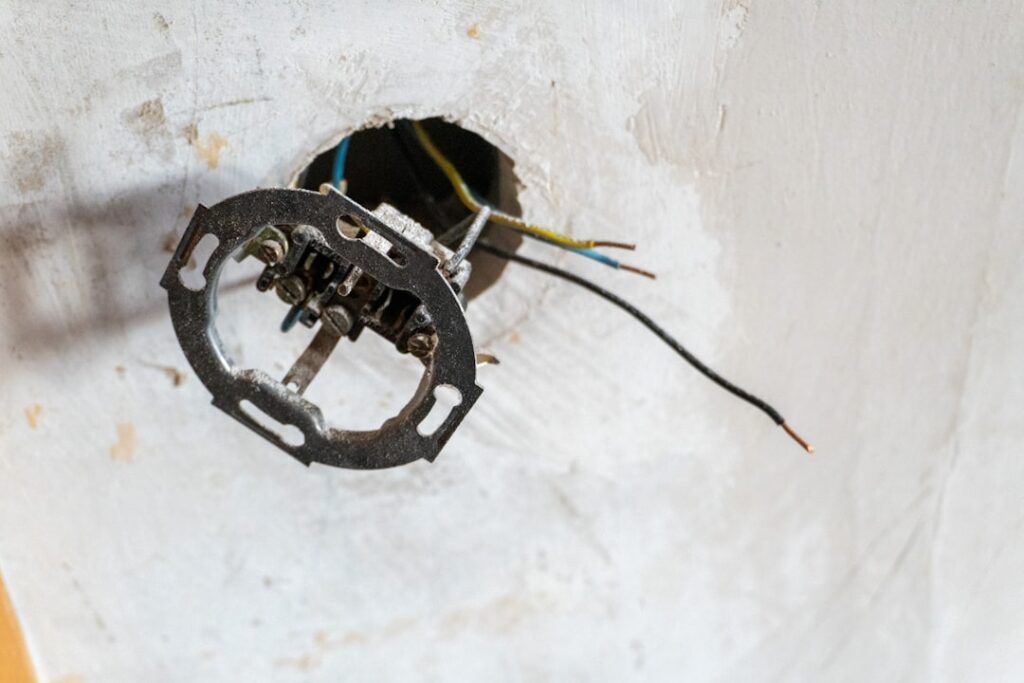
Common red flags include flickering or dimming lights, especially when a large appliance like the refrigerator or air conditioner kicks on. This is a classic sign that your circuits are overloaded. You might also notice outlets that feel warm to the touch or switch plates that are discolored or charred. These are immediate fire hazards caused by arcing or overheating wires.
Perhaps the most obvious sign is the frequent tripping of circuit breakers or the blowing of fuses. If you find yourself making regular trips to the basement to flip a switch, your system is telling you it can’t handle the load. Worse yet is the persistent smell of burning plastic or “ozone”—if you smell this, shut off the main power and call a professional immediately.
Common Outdated Wiring Systems: Knob-and-Tube to Aluminum
In our 20 years of experience serving Northeast Ohio, we’ve encountered every type of vintage wiring imaginable. Understanding what is behind your walls is the first step in planning an old house electrical upgrade.
- Knob-and-Tube (1880s – 1940s): This was the first standardized method of electrical wiring. It uses porcelain “knobs” to support wires and “tubes” to pass them through wood framing. It is a two-wire system with no ground wire. Over time, the cloth insulation becomes brittle and flakes off, leaving bare wires exposed. Furthermore, it was never designed to be enveloped in modern blown-in insulation, which can cause it to overheat.
- Cloth-Wrapped Romex (1930s – 1960s): An early version of modern cabling, this often lacks a proper grounding wire. The rubber and cloth sheathing degrades over decades, becoming a fire risk.
- Aluminum Wiring (Mid-1960s – Mid-1970s): Used during a copper shortage, aluminum expands and contracts more than copper (a phenomenon called “creep”). This leads to loose connections at outlets and switches, which creates high resistance and heat.
Most local codes in Ohio are based on the International Residential Code and the National Electrical Code, which have strictly banned or heavily regulated these systems in new construction for decades due to their inherent risks.
The Dangers of Ungrounded Two-Prong Outlets
If your home still features those narrow, two-slot outlets, you lack a dedicated path for “stray” electricity to return safely to the ground. This significantly increases the risk of electric shock and provides zero protection for your sensitive electronics.
Many homeowners attempt to bypass this with “cheater” three-prong adapters. While these allow you to plug in your laptop or TV, they do not provide a true ground. In the event of a surge or a short circuit, that excess energy has nowhere to go but through your expensive equipment—or through you. Upgrading to modern three-prong outlets is a core part of our Residential Electrical Services and is essential for modern safety.
Key Components of a Comprehensive Electrical Overhaul
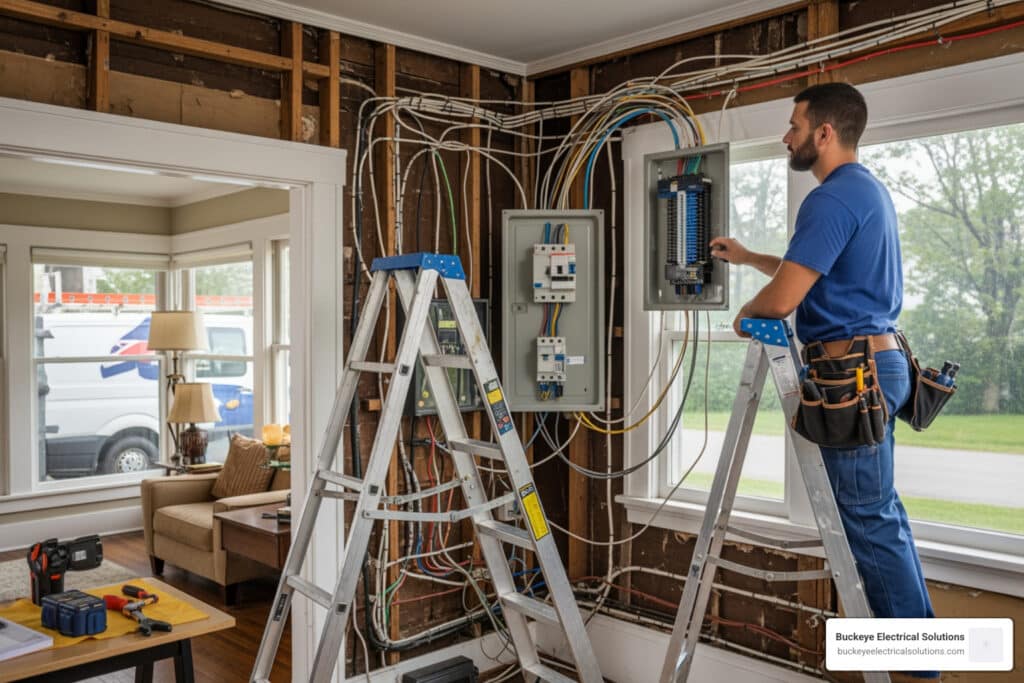
A full electrical upgrade in an old house isn’t just about swapping out a few outlets; it’s about rebuilding the “heart and veins” of your home’s power system. We look at the project holistically to ensure every component works together safely.
Upgrading the Electrical Panel and Service Entrance
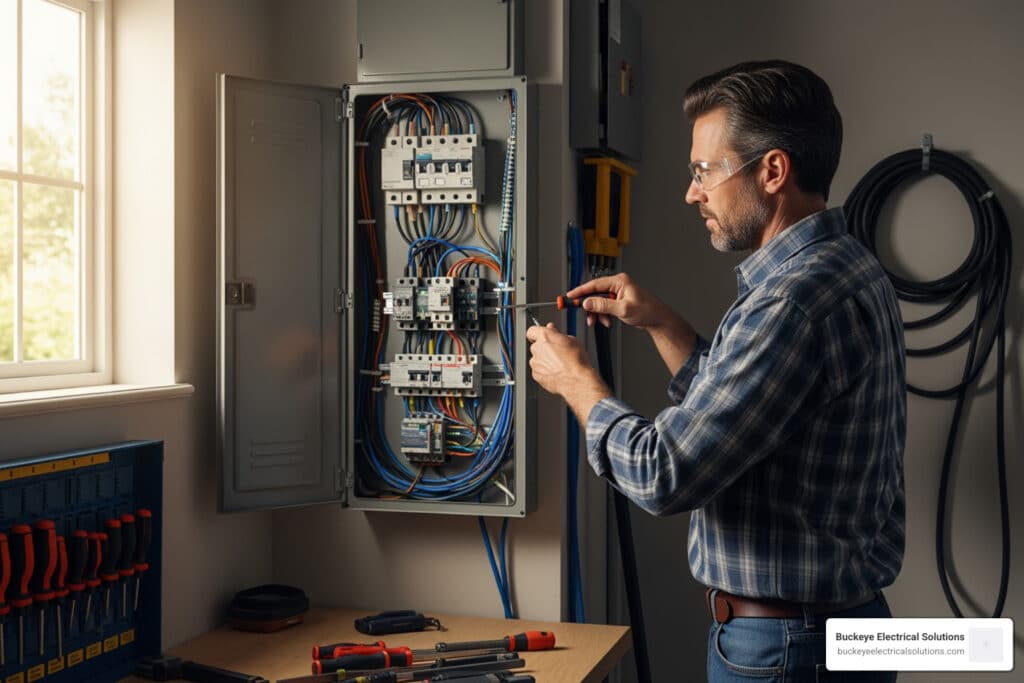
The electrical panel is the brain of your home. Many older homes in Akron or Shaker Heights still have 60-amp or 100-amp service. In the age of electric vehicles, hot tubs, and high-efficiency HVAC, this simply isn’t enough.
We typically recommend upgrading to a 200-amp or even 300-amp service. This involves not just a new panel, but often a new service mast (the pipe on the exterior of your house) and new heavy-gauge wires connecting you to the utility grid. Modern panels use high-quality circuit breakers that respond instantly to overloads, unlike old glass fuses which can be “bridged” dangerously by unsuspecting homeowners. You can see examples of these modern installations in Our Services overview.
Essential Safety Devices: GFCI, AFCI, and Surge Protection
Modern safety codes require more than just a standard breaker. During an electrical upgrade, we integrate three layers of protection:
- GFCI (Ground Fault Circuit Interrupters): These are mandatory in “wet” areas like kitchens, bathrooms, and garages. They sense if electricity is flowing through water (or a person) and shut off power in milliseconds.
- AFCI (Arc Fault Circuit Interrupters): These breakers detect dangerous “arcing”—the sparking that happens when a wire is loose or damaged—and shut down the circuit before a fire can start.
- Whole-House Surge Protection: Unlike power strips, a whole-house protector is installed directly into your panel. It shields every appliance in your home—from your smart fridge to your furnace—from external power surges and lightning strikes.
Modernizing Your Historic Home with Future-Ready Features
Once the safety foundation is laid, an electrical upgrade allows you to enjoy the conveniences of the 21st century without compromising the historic charm of your property.
Integrating Smart Home Tech During an Old House Electrical Upgrade
Older homes often have “quirky” light switch placements. During a rewire, we can install smart switches and programmable fixtures that allow you to control your lighting via your phone or voice. This isn’t just about convenience; it’s about security. You can program lights to turn on and off while you’re away, making the house look occupied.
Furthermore, we can install USB-integrated outlets in bedrooms and kitchens, eliminating the need for bulky charging blocks. These small touches make a big difference in how a historic home feels in daily life. Check out our Project Gallery to see how we’ve blended tech with tradition.
Preparing for Renewable Energy and Power Backups
Northeast Ohio weather can be unpredictable. During your upgrade, we can install a transfer switch for a standby generator, ensuring your lights and heat stay on during the next lake-effect snowstorm. We also help homeowners prepare for the future by installing solar-ready conduits and dedicated 240-volt circuits for EV charging stations.
Whether you are looking for residential peace of mind or Commercial Electrical Services for a historic business storefront, planning for power backups is a wise investment.
Budgeting and Planning for Your Electrical Project
We understand that an old house electrical upgrade is a significant investment. Costs typically range from $3 to $5 per square foot for a full rewire. For a standard 2,000-square-foot home in Ohio, you might expect to invest anywhere from $10,000 to $25,000 depending on the complexity and wall access.
While that number may seem high, consider the return on investment. A modern electrical system can lower your homeowners’ insurance premiums, increase your home’s resale value, and, most importantly, prevent a catastrophic fire that could cost you everything.
Why Professional Expertise Trumps DIY for an Old House Electrical Upgrade
Electrical work is the one area of home improvement where “doing it yourself” can be fatal. In an old house, you aren’t just matching colors; you are dealing with brittle insulation, complex grounding issues, and strict local codes.
At Buckeye Electrical Solutions, we bring over 20 years of experience to every job. We know how to navigate the thick plaster and lath walls common in Ohio’s historic homes with minimal destruction. Our team handles the permits, the inspections, and the heavy lifting, ensuring your home is safe for the next century. You can learn more about our commitment to quality on our About Us page.
Navigating Local Building Codes and Permits in Ohio
Every municipality in Northeast Ohio—from Cleveland to Akron to the smaller townships—has its own specific permitting requirements. We handle all of this for you. We work closely with local building departments and use resources like the Municode Library to ensure every wire we pull and every outlet we install is 100% compliant with local laws. This documentation is vital when it comes time to sell your home, as it proves to buyers and inspectors that the work was done to the highest professional standard.
Frequently Asked Questions about Old House Electrical Upgrades
Is it worth upgrading the electrical system if I plan to sell my house soon?
Absolutely. Most modern buyers will have a home inspection, and active knob-and-tube or aluminum wiring is a major deal-breaker. Many lenders won’t even approve a mortgage for a house with unsafe wiring. By performing an old house electrical upgrade now, you increase buyer confidence and can often justify a higher asking price.
How long does a whole-house rewire typically take?
A full rewire usually takes between 5 and 10 days, depending on the size of the home and how much access we have (basements and attics make the job much faster). We strive to minimize disruption, often working room-by-room so you can remain in your home during the process.
Can I upgrade my electrical system in stages to save money?
Yes, this is a common approach. We recommend a “panel-first” strategy. By upgrading your main electrical panel and grounding system first, you create a safe foundation. From there, we can prioritize high-risk areas like the kitchen and bathrooms before moving on to bedrooms and living areas in later phases.
Conclusion
Your home is likely your biggest investment, and its electrical system is the engine that keeps it running. Don’t let outdated wiring put your family or your property at risk. An old house electrical upgrade is more than just a renovation; it’s a commitment to safety, efficiency, and modern comfort.
At Buckeye Electrical Solutions, we specialize in the unique challenges of Northeast Ohio’s historic homes. With 20 years of experience and a deep understanding of local codes, we provide the expertise you need to bring your home into the modern age safely.
Ready to protect your home and your peace of mind? Contact Buckeye Electrical Solutions today for a professional assessment of your old house electrical system.