Why Fire Alarm System Installation Matters for Your Business
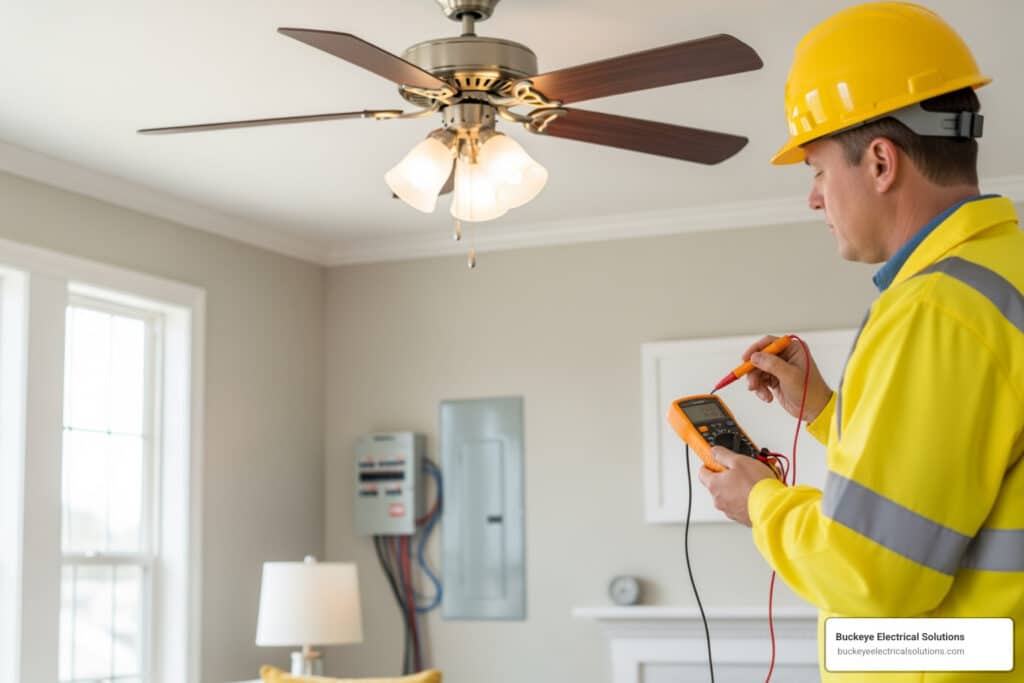
Fire alarm system installation is a critical investment in protecting lives and property. For commercial and industrial facilities, a properly installed system provides early detection, rapid notification, and integrates with building systems like HVAC and elevators to prevent fire spread and aid safe evacuation.
Key steps in professional fire alarm installation:
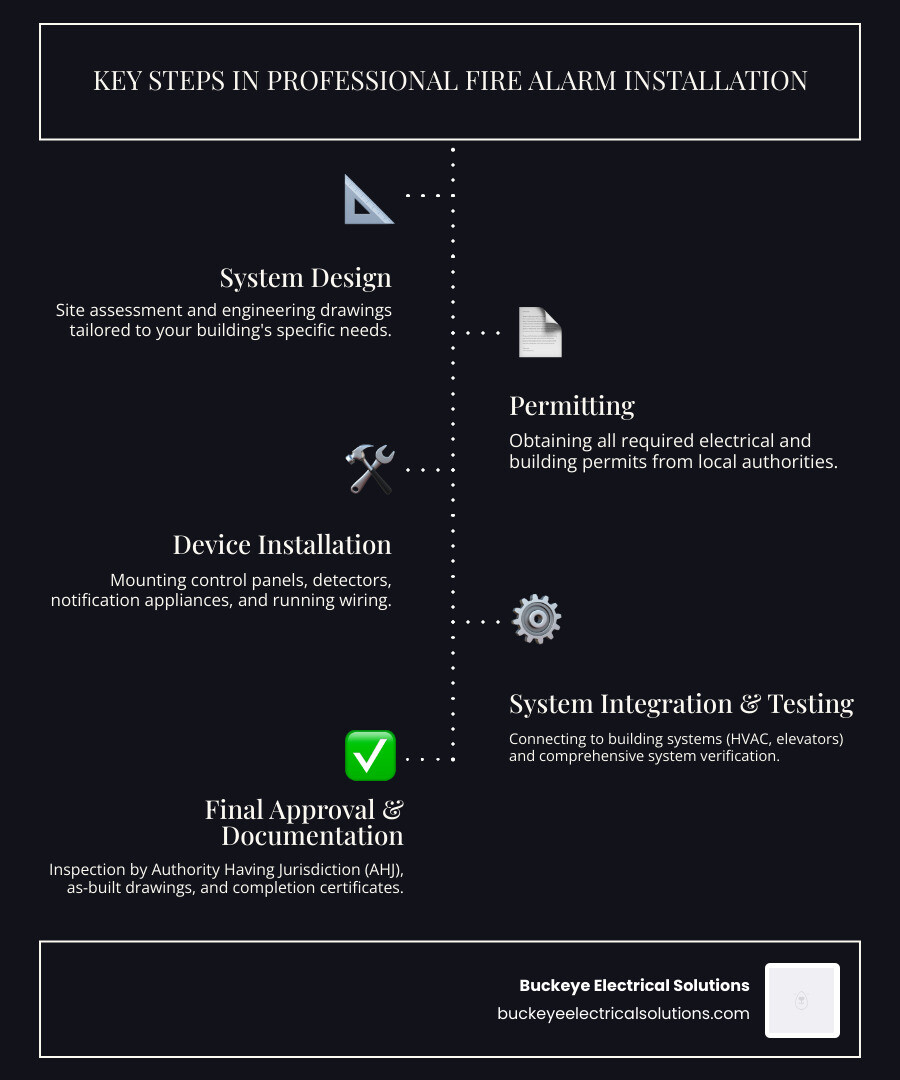
- System Design – Site assessment and engineering drawings custom to your building
- Permitting – Obtaining required electrical and building permits
- Installation – Mounting control panels, devices, and running wiring
- Integration – Connecting to building systems (HVAC, elevators, suppression)
- Testing – Verification and inspection by the Authority Having Jurisdiction (AHJ)
- Documentation – Providing as-built drawings and completion certificates
This process isn’t optional. Modern furnishings cause fires to spread much faster than in the past, and interconnected fire alarm systems alert occupants in 26% of fires compared to just 2% when alarms aren’t on all floors. The right system, installed correctly, can mean the difference between a controlled evacuation and a tragedy.
Installation must comply with NFPA 72 (National Fire Alarm and Signaling Code) and local Ohio building codes. Different building types—commercial warehouses, industrial facilities, or multi-residential properties—have specific requirements for system type, device placement, and integration.
I’m Aaron, and at Buckeye Electrical Solutions, I’ve overseen dozens of permitted electrical projects across Northeast Ohio, including fire alarm system installation for commercial and light commercial properties. Our team ensures every installation meets code and provides reliable life safety protection.
First, Know Your System: Components and Types
Before diving into fire alarm system installation, it’s crucial to understand the system components and available options. Think of it like building a car – you need to know the engine, the wheels, and whether you’re building a sedan or a truck.
Essential System Components
A comprehensive fire alarm system is far more complex than a standalone smoke detector. It’s an intricate network designed to detect fire, alert occupants, and communicate with emergency services. Here are the core components:
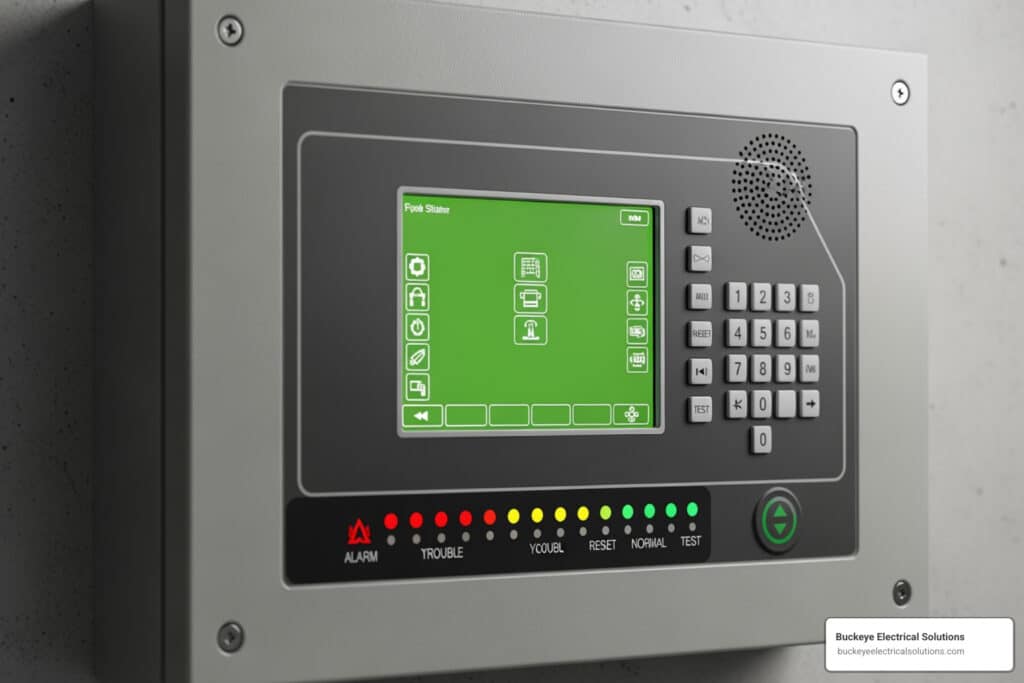
- Fire Alarm Control Panel (FACP): The Brain
This is the system’s central hub. It receives signals from detection devices, activates notification appliances, and transmits signals to monitoring stations. It’s the central nervous system, ensuring everything works together. - Initiating Devices: The Senses
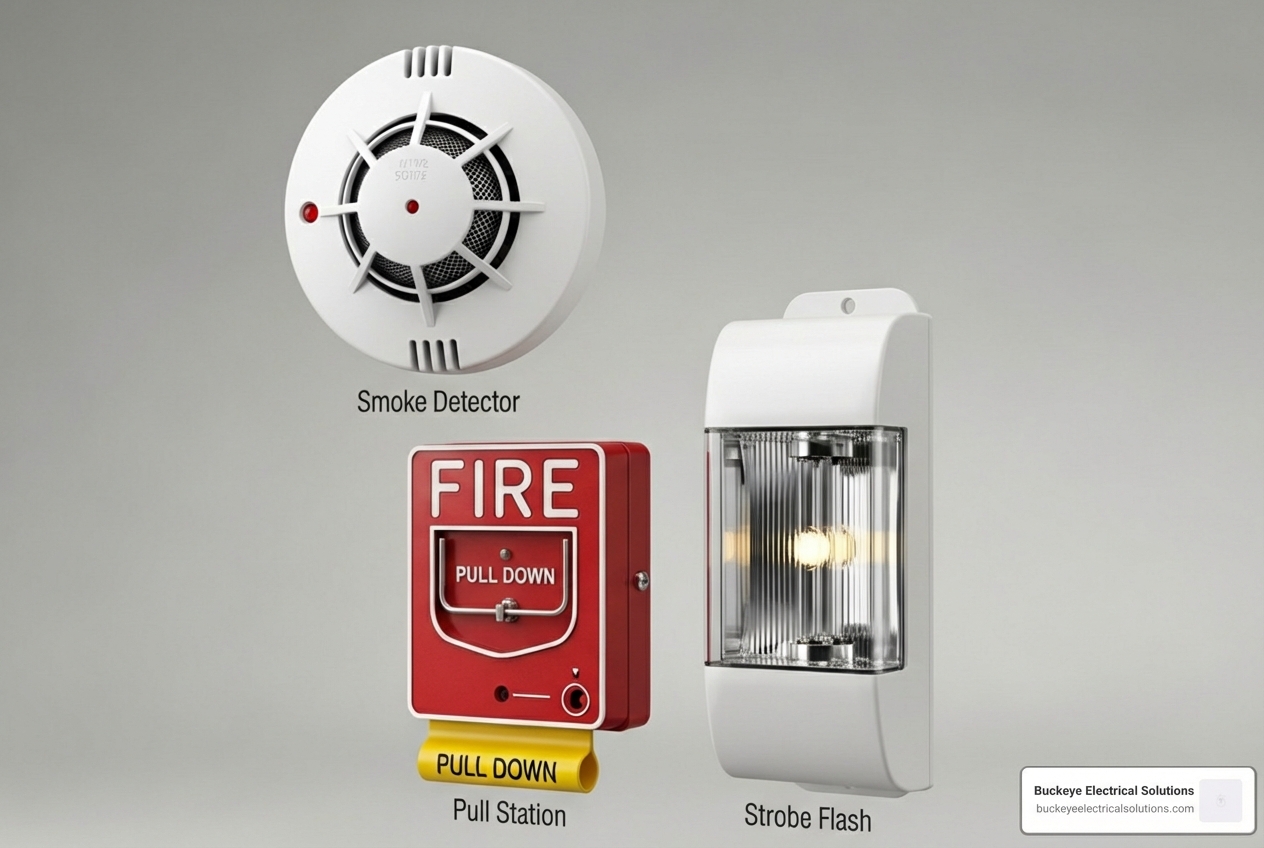
These components detect a fire or emergency. They include:- Smoke Detectors: The most common initiating devices. We use two main types: Ionization (responsive to flaming fires) and Photoelectric (responsive to smoldering fires). For best protection, dual-sensor alarms combining both technologies are often recommended.
- Heat Detectors: These activate at a fixed temperature (typically 135°F) or with a rapid temperature rise. They’re ideal for environments like commercial kitchens where smoke detectors might cause false alarms.
- Manual Pull Stations: These familiar red boxes allow occupants to manually activate the alarm by pulling a lever. They are critical in public buildings like schools and malls. Some feature dual activation to minimize false alarms.
- Beam Detectors: Used in large open spaces, these project a beam of light, and if smoke interrupts it, the alarm is triggered.
- Notification Appliances: The Voice
Once a fire is detected, these devices alert everyone in the building. They include:- Horns, Bells, and Sirens: Provide audible warnings to evacuate.
- Strobe Lights: Essential for the hearing-impaired and in noisy environments. They use universal graphics for quick recognition.
- Voice Evacuation Systems: In larger buildings, these systems broadcast clear voice messages with specific evacuation instructions.
- Power Supplies & Batteries: Every system needs reliable power. This includes the main AC power supply and backup batteries to ensure the system remains operational during power outages.
It’s important to differentiate between a simple smoke detector and a full fire alarm system. A commercial fire alarm system installation involves a sophisticated, interconnected network of all these components, managed by a control panel and designed to meet rigorous safety codes for complex environments.
Conventional vs. Addressable Systems
For your commercial property in Northeast Ohio, you’ll encounter two main types: conventional and addressable. The choice depends on your building’s size and complexity, your budget, and how quickly you need to pinpoint a fire’s exact location.
| Feature | Conventional Fire Alarm System | Addressable Fire Alarm System |
|---|---|---|
| Detection Zones | Divides a building into zones; identifies the zone of the alarm. | Each device has a unique address; pinpoints exact device location. |
| Wiring | Multiple devices on a single circuit per zone. | All devices on a single loop; uses less wiring. |
| Information | Indicates “Zone 1 Alarm,” for example, but not specific device. | Indicates “Smoke Detector 3, 2nd Floor, Office 205 Alarm.” |
| Complexity | Simpler design, easier for smaller buildings. | More complex, but provides precise information. |
| Cost | Generally lower initial installation cost. | Higher initial installation cost, but can save in response time. |
| Response Time | Requires more time to locate the exact source of the fire. | Allows for immediate, targeted emergency response. |
| Ideal For | Smaller buildings, fewer rooms, straightforward layouts. | Large buildings, multi-story complexes, intricate layouts, high-rise residential, commercial warehousing, industrial and manufacturing facilities. |
A conventional fire alarm system is like a neighborhood watch reporting “trouble on Elm Street.” You know the general area but must search for the exact location. Devices are wired in zones; if one triggers, the FACP indicates an alarm in that zone. These are suitable for smaller buildings with simpler layouts.
An addressable fire alarm system is like a GPS telling you “Smoke Detector 3, 2nd Floor, Office 205 has detected smoke.” Each device has a unique address on a single loop, pinpointing the fire’s origin with precision. For larger, complex buildings like high-rises or industrial facilities, addressable systems are invaluable for a quick, targeted response. While the initial fire alarm system installation cost may be higher, the safety benefits are priceless.
The Step-by-Step Guide to Professional Fire Alarm System Installation
A fully operational and code-compliant fire alarm system installation involves several crucial stages. We guide our Northeast Ohio clients through each step, ensuring a seamless and reliable process.
Step 1: System Design and Engineering
A successful fire alarm system installation starts long before any wires are pulled.
- Site Assessment: Our team assesses your property’s layout, occupancy, fire hazards, and infrastructure. This helps us understand the unique needs of your commercial, industrial, or multi-residential building.
- Choosing System Type: Based on the assessment, we help you determine whether a conventional or addressable system is the best fit for your operational needs and budget. We’ll recommend different manufacturers and systems depending on these factors.
- Device Placement Planning: We carefully plan the placement of every device, adhering to strict spacing requirements from codes like NFPA 72. We consider ceiling types and avoid areas prone to false alarms (e.g., near cooking appliances). Improper device placement is a common pitfall that compromises system effectiveness.
- Creating Blueprints: Detailed engineering drawings are developed, outlining the system’s layout, wiring pathways, and integration points. These blueprints are essential for permitting and ensuring a precise installation.
- Adhering to Building-Specific Needs: We understand that a commercial warehouse has different needs than a multi-story office building. Our designs are custom to meet the specific requirements of your industry and building type, whether it’s robust systems for industrial complexes or comprehensive solutions for new builds and tenant improvements.
Step 2: The Professional Fire Alarm System Installation
With a solid design, our licensed electrical contractors begin installing your fire alarm system.
- Mounting Control Panels and Devices: We install the FACP in an accessible, secure location. All initiating and notification devices are mounted per the approved design for optimal coverage. Smoke detectors are placed high on walls or ceilings (within 12 inches) and are never painted over.
- Running Low-Voltage Wiring: Our electricians run all necessary wiring, ensuring clean, code-compliant cabling and terminations that minimize interference. We also focus on pathway survivability, so circuits remain operational during a fire.
- Avoiding Common Pitfalls: During fire alarm system installation, we vigilantly avoid issues like incorrect wiring, inadequate power supplies, or improper device placement that could lead to system failures or false alarms down the line. Our experience ensures that your system is installed right the first time.
Step 3: Integration, Testing, and Documentation
The installation is complete once the system is integrated, tested, and all documentation is in order.
- Connecting to HVAC and Elevators: A modern fire alarm system integrates with other building systems. We connect it to your HVAC to shut down air handlers and prevent smoke spread, and to elevators to initiate emergency recall for safe evacuation.
- System Verification Testing: Once installed, the entire system undergoes rigorous testing to ensure every component functions as intended. This includes testing each detector, pull station, and notification appliance, as well as verifying the FACP’s programming and communication capabilities. This verification must conform to standards like NFPA 72.
- Final Inspection with Authority Having Jurisdiction (AHJ): After our internal testing, the system is inspected and witnessed by the local Authority Having Jurisdiction (AHJ). This final approval confirms that your fire alarm system installation meets all local and national codes, including NFPA 72.
- Required Documentation: Upon successful completion, we provide comprehensive documentation. This includes “as-built” drawings (showing the final layout), test sheets, and completion certificates. This documentation is crucial for future maintenance, inspections, and demonstrating compliance for insurance purposes.
For seamless and compliant fire alarm system installation, trust our Expert installation services.
Staying Compliant: Codes, Regulations, and Professional Roles
When it comes to fire alarm system installation, compliance isn’t just a suggestion—it’s a legal and ethical imperative. We ensure every project we undertake in Northeast Ohio meets the highest standards.
Understanding Key Fire Safety Codes
The foundation of any reliable fire alarm system installation is adherence to stringent codes and regulations.
- NFPA 72 (National Fire Alarm and Signaling Code): This is the national benchmark for fire alarm systems. NFPA 72 provides comprehensive requirements for the installation, performance, and maintenance of fire alarm systems. It covers everything from detector placement to system integration. Its requirements are minimums, and local authorities may have stricter rules.
- Local Ohio Regulations: In addition to national codes, Ohio has its own building and fire codes that govern fire alarm system installation. These local regulations often incorporate or expand upon NFPA 72. For instance, the Ohio Building Code dictates when a fire alarm system is required, while the Ohio Fire Code refers to ongoing maintenance. Our team is intimately familiar with these local nuances, ensuring your system is compliant.
- Requirements for Different Industries: Whether you operate a commercial office, an industrial plant, or manage a multi-residential complex, specific requirements apply. Industrial facilities might need specialized detectors, while multi-residential buildings have specific rules for common areas and individual units. These needs are addressed during the design and fire alarm system installation process.
The Role of Certified Installation Professionals
A fire alarm system installation is not a DIY project. It requires specialized knowledge, skills, and certifications.
- Licensed Electrical Contractors: Our team consists of licensed electrical contractors, a fundamental requirement for any electrical work, including fire alarm systems. This ensures all wiring and connections are made safely and correctly.
- Importance of Experience for Code Compliance: With over 20 years of experience in Northeast Ohio, we understand the intricacies of code compliance, from the latest NFPA 72 updates to specific local amendments. We know how to steer the permitting process and ensure your system passes inspection by the AHJ without a hitch.
- Ensuring System Reliability and Safety: Certified professionals don’t just install equipment; they design and implement a life-safety solution. We understand how each component interacts, how to minimize false alarms, and how to maximize the system’s effectiveness in a real emergency. Reliability is what you receive when you work with us, and we are committed to your safety and satisfaction.
For peace of mind and guaranteed compliance, trust us with your fire alarm system installation. Learn More info about our Fire Alarm Services.
Long-Term Planning: Costs, Upgrades, and Maintenance
Installing a fire alarm system is a significant investment, but one that pays dividends in safety and compliance. Understanding the financial aspects, when to upgrade, and ongoing maintenance is key to long-term success.
Budgeting for Your Fire Alarm System Installation
The cost of a fire alarm system installation can vary widely based on several factors.
- Typical Costs: Individual component replacement costs between $150 and $250. A new commercial fire alarm system installation, with a control panel and multiple detectors, can cost $3500 or more, especially for addressable systems.
- Factors Affecting Price:
- System Type: Addressable systems have higher upfront costs than conventional systems but offer more precision.
- Building Size and Complexity: Larger, more complex buildings require more devices, wiring, and labor, increasing the cost.
- Type of Devices: Specialized detectors or advanced voice evacuation systems will add to the expense.
- Integration Needs: Connecting the fire alarm to other building systems like HVAC or elevators adds to the complexity and cost.
- Permitting and Engineering: The cost of design, drawings, and permits is also a factor.
- Long-Term Ownership Costs: Beyond installation, consider ongoing costs for maintenance, testing, and upgrades. A well-designed system can reduce long-term costs by minimizing false alarms and avoiding fines.
System Upgrades and Replacement
Like any technology, fire alarm systems have a lifespan. Knowing when to upgrade is crucial for safety.
- When to Upgrade or Replace:
- Age: It is recommended to hire fire alarm replacement services every 10 years. Even if a system seems to be working, internal components degrade, making it less effective.
- Failing System: Frequent false alarms, intermittent issues, or service indicators on the panel are clear signs an upgrade is due.
- Code Changes: Fire safety standards like NFPA 72 are regularly updated. An older system might no longer meet current requirements.
- Building Renovations or Changes in Occupancy: Major renovations or a change in building use can alter fire safety needs, requiring a system update.
- Benefits of Modern Technology: Newer systems offer improved features like precise addressability, better false alarm immunity, and remote monitoring. Upgrading leads to more reliable detection and faster response times.
Ongoing Maintenance and Testing
Regular maintenance and testing are mandated by codes like NFPA 72 and local Ohio regulations.
- Monthly Owner Tests: Building owners should perform monthly visual inspections and test the system’s functionality. This involves checking the control panel for trouble signals and initiating a test alarm.
- Annual Professional Inspections: A comprehensive annual inspection by a certified fire alarm professional is mandatory for public and multi-residential buildings. This includes:
- Testing every component: detectors, pull stations, notification appliances, and the control panel.
- Verifying battery backup systems.
- Checking all wiring and connections.
- Ensuring system integrations (HVAC, elevators) are functioning correctly.
- Systems with fire suppression technology (e.g., in commercial kitchens) require semi-annual inspections.
- Record Keeping: Maintaining detailed records of all inspections, tests, and maintenance is essential for compliance. We provide all necessary documentation for your records.
Ensuring your fire alarm system remains in peak operating condition is a continuous process. For comprehensive support, explore More info about our range of services.
Frequently Asked Questions about Fire Alarms
We get a lot of questions about fire alarm system installation and maintenance. Here are some of the most common ones we hear from our clients in Northeast Ohio:
What are the benefits of interconnected smoke alarms?
Interconnected smoke alarms dramatically improve safety. When one alarm detects smoke, all alarms in the system sound simultaneously. This provides earlier, widespread notification, giving occupants more time to evacuate.
Consider these powerful statistics from NFPA:
- When smoke alarms (interconnected or not) were on all floors, they sounded in 37% of fires and alerted occupants in 15%.
- However, when smoke alarms were not on all floors, they sounded in only 4% of the fires and alerted occupants in only 2%.
- Even more compelling, in homes that had interconnected smoke alarms, the alarms sounded in half (53%) of the fires and alerted people in one-quarter (26%) of the fires. This is a huge leap compared to non-interconnected systems.
This increased effectiveness is why NFPA 72 requires smoke alarms inside every sleep room, outside each sleeping area, and on every level. For commercial fire alarm system installation, interconnection is a fundamental design principle, ensuring everyone in a large building receives immediate notification. For more detailed insights, you can refer to Installing and maintaining smoke alarms – NFPA.
How often should a fire alarm system be tested?
Regular testing is paramount to ensuring your fire alarm system is always ready to perform.
- Monthly Testing by the Building Owner: Building owners should perform a basic visual inspection and test the system monthly. This involves checking the control panel for “trouble” signals and initiating a test alarm to confirm notification appliances are functioning.
- Comprehensive Annual Testing by a Certified Professional: For commercial and multi-residential buildings, a full test and inspection by a certified professional is required annually. This involves:
- Testing each initiating device (smoke detectors, heat detectors, pull stations).
- Verifying all notification appliances (horns, strobes, speakers).
- Checking the control panel, power supplies, and backup batteries.
- Ensuring all system integrations (e.g., HVAC shutdown, elevator recall) are operational.
- Systems with fire suppression technology may require semi-annual inspections.
- Following Manufacturer and NFPA 72 Guidelines: All testing must adhere to manufacturer instructions and NFPA 72 standards. Detailed records of all tests must be kept.
What is the difference between a fire alarm system and a smoke detector?
This is a common point of confusion, but the distinction is crucial in commercial settings.
- Smoke Detectors: A smoke detector is a single device that senses smoke. In homes, standalone or interconnected smoke alarms provide an audible alert. They are a critical first line of defense in a residence.
- Fire Alarm Systems: A commercial fire alarm system is a comprehensive, integrated network. It includes:
- A central Fire Alarm Control Panel (FACP): The brain that monitors and controls the system.
- Multiple Initiating Devices: Smoke detectors, heat detectors, manual pull stations, and more.
- Notification Appliances: A coordinated network of horns, strobes, and voice evacuation systems.
- Integration Capabilities: Connection to other building systems (HVAC, elevators, sprinklers) to mitigate fire spread.
- Monitoring: Connection to a central station that can dispatch emergency services.
A smoke detector is a single sensor, while a fire alarm system is a sophisticated security network with multiple sensors, a command center, and a coordinated response mechanism designed for a complex environment.
Conclusion
A professional fire alarm system installation is more than just putting up devices; it’s about safeguarding lives and protecting your investment. We’ve walked through the essential components, the differences between system types, and the crucial steps involved in a proper installation, from meticulous design and engineering to integration, rigorous testing, and comprehensive documentation.
Compliance with codes like NFPA 72 and local Ohio regulations is non-negotiable, and the role of certified professionals cannot be overstated. We also explored the long-term aspects—budgeting for installation, knowing when to upgrade (typically every 10 years), and adhering to ongoing maintenance schedules that include monthly owner checks and annual professional inspections.
With over 20 years of experience, Buckeye Electrical Solutions is your trusted partner for commercial and light commercial fire alarm system installation in Northeast Ohio. Our team of licensed electrical contractors is dedicated to delivering reliable, code-compliant, and state-of-the-art fire safety solutions.
Don’t leave your property’s safety to chance. Contact Us today to discuss your project and ensure your fire alarm system is done right. We’re here to help you protect what matters most. Explore our full range of electrical and safety services for all your commercial electrical needs.