Why Commercial Electrical System Maintenance Is Essential for Your Building
Commercial electrical system maintenance is the routine process of inspecting, testing, cleaning, and servicing the electrical components in a business building to keep them safe and reliable.
Here’s a quick overview of what it involves and why it matters:
- Safety – Identifies hazards like faulty wiring, overloaded circuits, and corroded connections before they cause fires or shocks
- Uptime – Prevents unexpected outages that can shut down operations for six hours or more
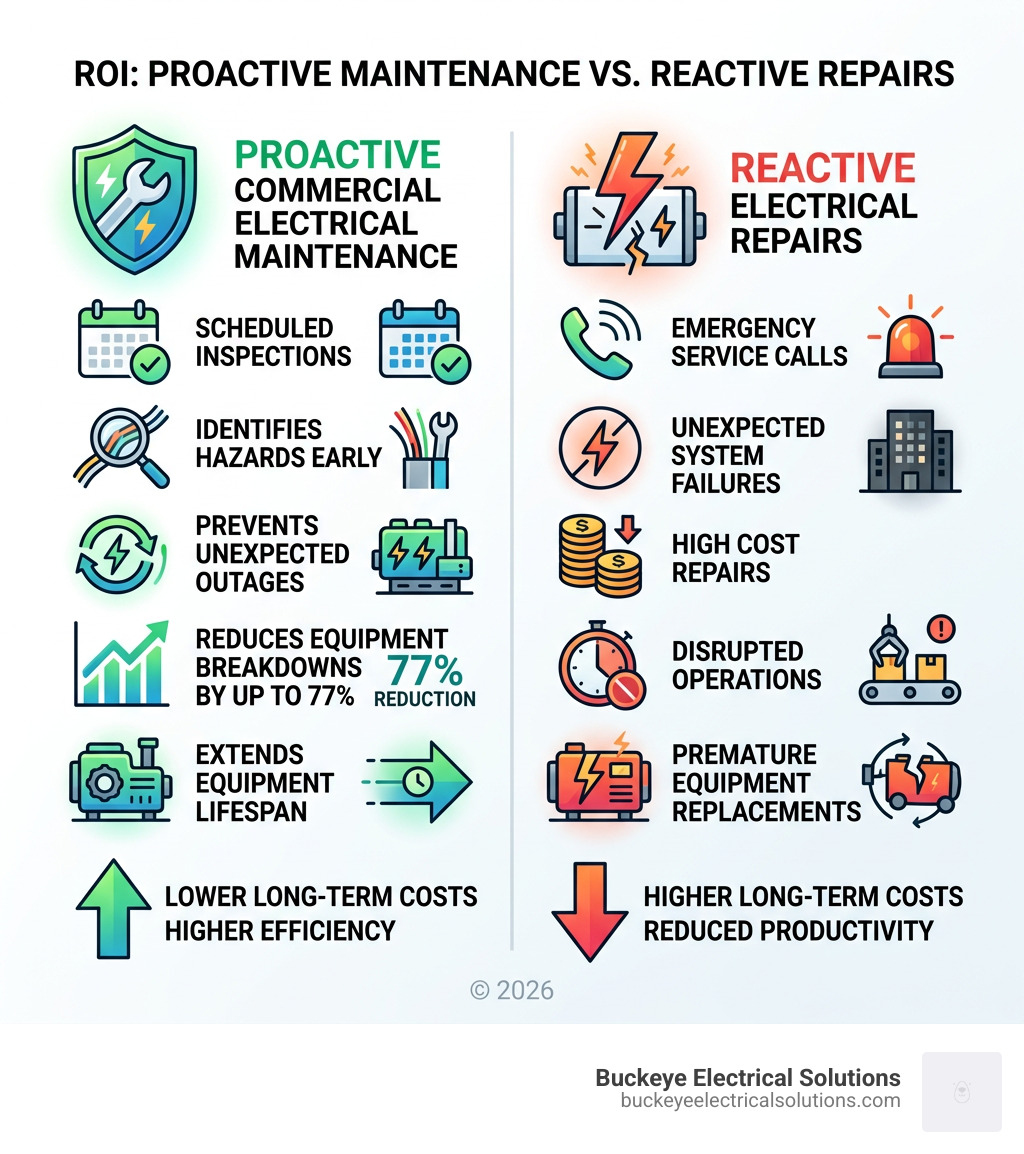
- Cost savings – Regular maintenance can reduce equipment breakdowns by up to 77%
- Compliance – Keeps your building aligned with NEC codes, NFPA 70B standards, and OSHA requirements
- Equipment lifespan – Well-maintained systems last longer and need fewer costly replacements
Neglecting your electrical system isn’t just risky — it’s expensive. Electrical malfunctions account for 6.3% of non-residential building fires every year. Power surges alone cost U.S. businesses roughly $26 billion annually in equipment damage and lost productivity. And when something fails, the average outage disrupts operations for at least six hours.
The good news? Most of these problems are preventable with a consistent maintenance plan and the right professional partner.
I’m Aaron, owner and master electrician at Buckeye Electrical Solutions, and I’ve overseen more than 60 permitted electrical projects across Northeast Ohio — including full commercial rewires — making commercial electrical system maintenance a core part of what my team does every day. In this guide, I’ll walk you through everything you need to know to keep your building’s power reliable, safe, and code-compliant.
The Business Case for Commercial Electrical System Maintenance
Running a business in Northeast Ohio is hard enough without your lights flickering or your servers crashing. We often see business owners treat their electrical systems like a “set it and forget it” utility. But your electrical infrastructure is more like the engine of a car; if you never change the oil, it’s going to seize up at the worst possible moment.
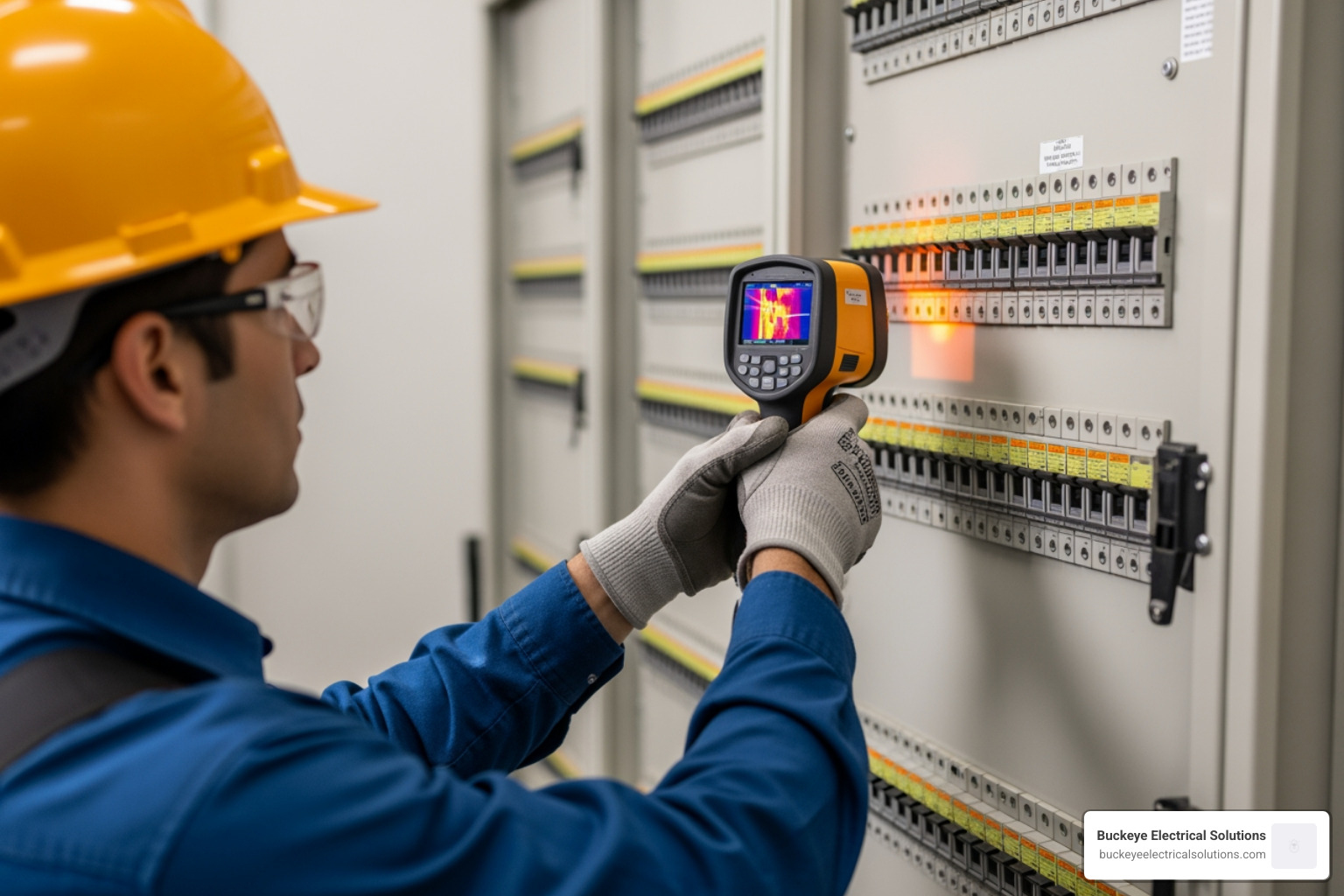
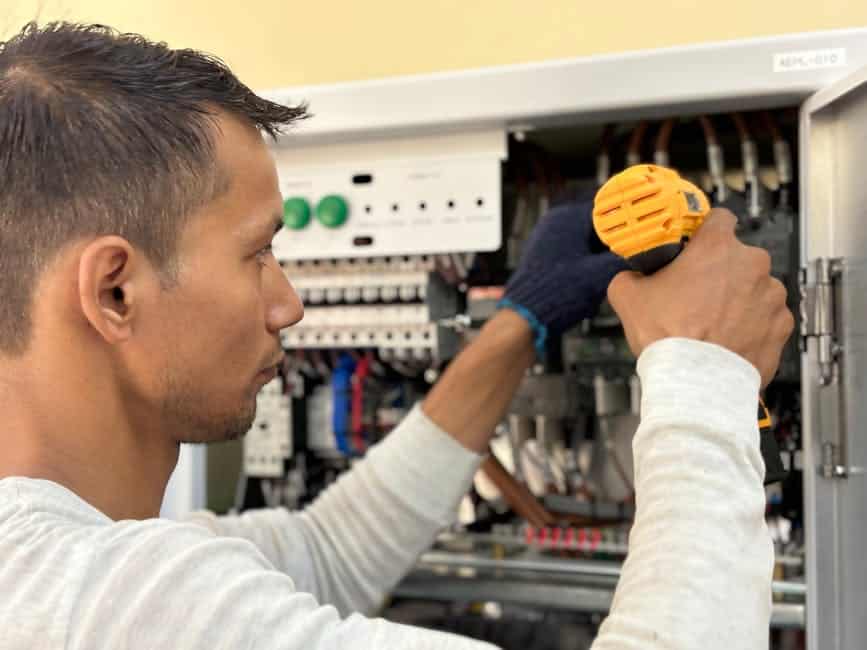
The primary business case for Commercial electrical system maintenance is simple: it protects your bottom line. When we perform a maintenance check, we aren’t just looking for things that are broken; we’re looking for things that are about to break. By utilizing thermal imaging to spot hot spots in a breaker panel, we can identify a loose connection before it arcs and causes a fire.
Research shows that implementing regular electrical maintenance can minimize equipment breakdowns by up to 77 percent. Think about that for a second. More than three-quarters of the “emergencies” that cause businesses to lose money could have been stopped with a simple inspection. Furthermore, staying compliant with safety regulations isn’t just about avoiding fines; it’s about ensuring that your insurance claims are valid and your employees are safe.
Beyond safety, there is the issue of equipment longevity. Motors, HVAC units, and sensitive computers are designed to run on clean, steady power. When connections are loose or voltage fluctuates, these expensive assets wear out faster. Proactive care ensures that your commercial electrical services investment lasts for decades rather than years.
Common Hazards and the Cost of Neglect
What happens when you ignore the hum in the electrical room? Usually, nothing—until everything happens at once. Neglecting consistent maintenance increases a building’s electrical component failure rate by three times. In a commercial setting, those failures aren’t just inconvenient; they are dangerous.
One of the most common issues we encounter is the overloaded circuit. In modern offices, we are plugging in more devices than ever before. Overloaded circuits account for 14% of all reported electrical fires in commercial buildings. Without a professional to assess your load distribution, you might be one space heater away from a catastrophe.
Then there’s the “silent killer” of electronics: power surges. Whether caused by lightning or internal switching, power surges cost businesses about $26 billion per year in the United States. This includes the cost of replacing damaged equipment and the massive hit to productivity during downtime.
Finally, we have to talk about outdated wiring. As buildings age, the insulation on wires can become brittle. In non-residential buildings, electrical malfunctions account for 6.3% of fires annually, often due to this deterioration. When a system fails, the average business is disrupted for a minimum of six hours. For a retail store or a manufacturing plant in Ohio, six hours of “no power” can mean thousands of dollars in lost revenue.
Professional Standards and Regulatory Compliance
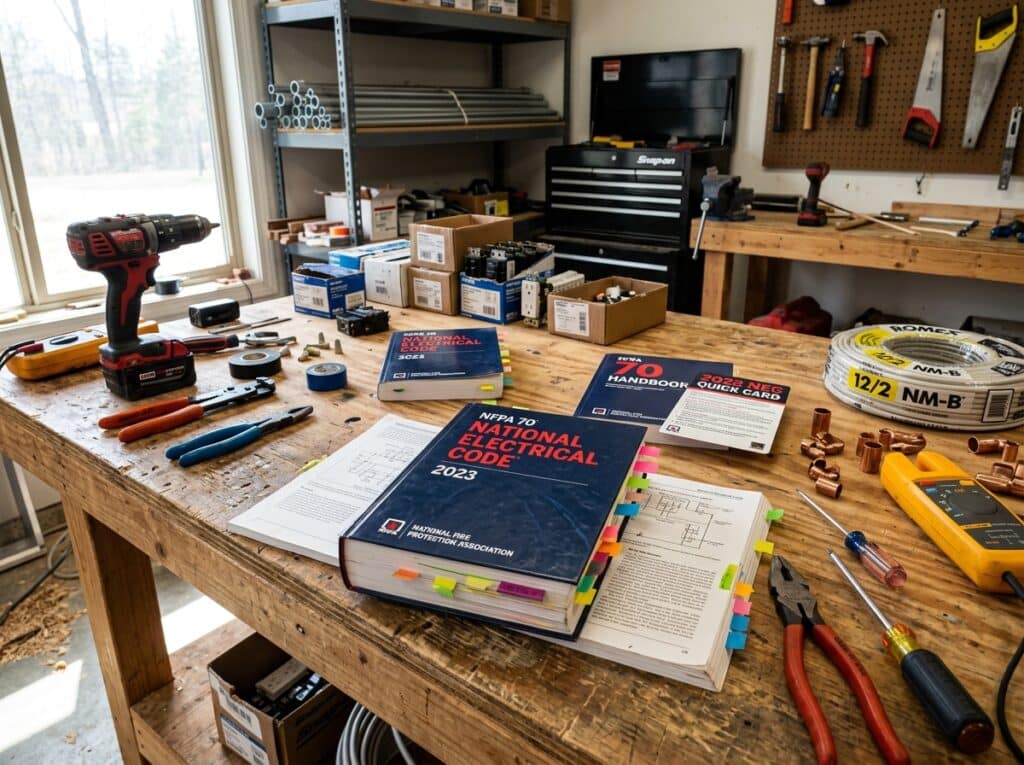
In Commercial electrical system maintenance, “winging it” is not an option. Commercial buildings are governed by strict codes designed to prevent loss of life and property. The National Electrical Code (NEC) is updated every three years, and keeping your building up to these standards is a full-time job.
We also follow NFPA 70B, which is the standard for electrical equipment maintenance. This isn’t just a “suggestion”—it’s a framework that helps us determine how often your specific equipment needs to be serviced. Following these safety regulations and standards is the best way to reduce your liability. If an accident happens and you can show a documented history of professional maintenance, you are in a much stronger position legally and with your insurance provider.
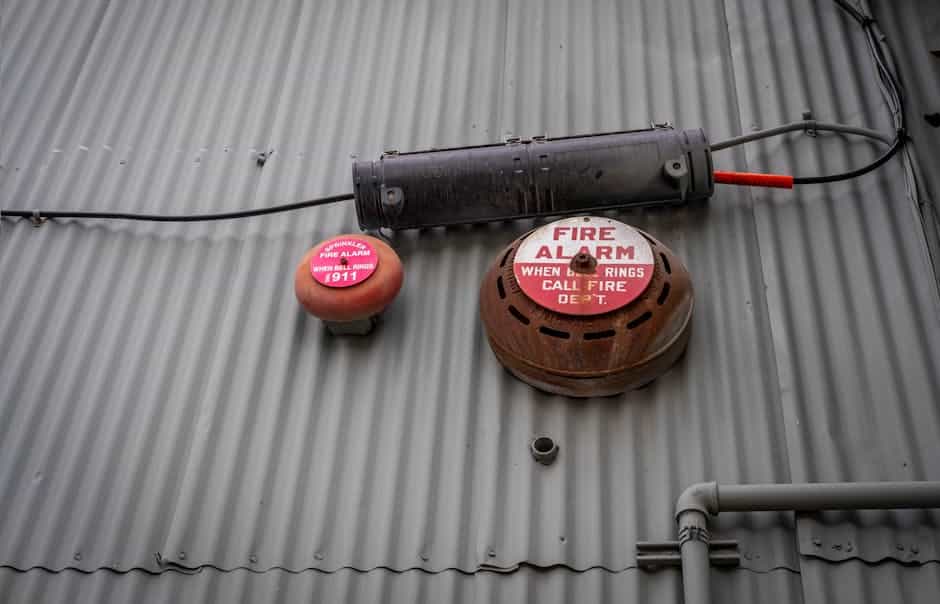
This compliance extends to your life safety systems as well. We often integrate electrical checks with our fire alarm services to ensure that if the worst happens, your backup power and alarm systems function exactly as they should. OSHA also has strict requirements for workplace safety, and a well-maintained electrical system is a cornerstone of a safe environment for your team.
Implementing a Proactive Maintenance Strategy
Transitioning from a “fix it when it breaks” mindset to a proactive strategy is the smartest move a property manager can make. While it might seem like an extra expense upfront, the long-term savings are undeniable.
| Feature | Reactive Maintenance | Proactive Maintenance |
|---|---|---|
| Initial Cost | $0 (until failure) | Scheduled Budget |
| Repair Cost | Emergency Rates (High) | Standard Rates (Lower) |
| Downtime | Unpredictable & Long | Scheduled & Minimal |
| Equipment Life | Shortened by Stress | Maximized |
| Safety Risk | High (Fires/Shocks) | Low (Hazards caught early) |
We use several predictive maintenance techniques to stay ahead of the curve. This includes infrared thermography to find heat signatures that indicate failing components and circuit analyzer testing to check for voltage drops. By using Computerized Maintenance Management Systems (CMMS), we can track the history of every panel and motor in your building, predicting when a part might fail before it actually does.
Key Components of Commercial Electrical System Maintenance
A comprehensive maintenance plan isn’t just a quick walk-through. It requires a detailed checklist of every critical component in your facility. At Buckeye Electrical Solutions, we focus on:
- Lighting Systems: We check for flickering, replace aging ballasts, and often suggest LED retrofits that pay for themselves in energy savings.
- HVAC Connections: HVAC units draw massive amounts of power. We inspect the disconnects and wiring to prevent motor burnouts.
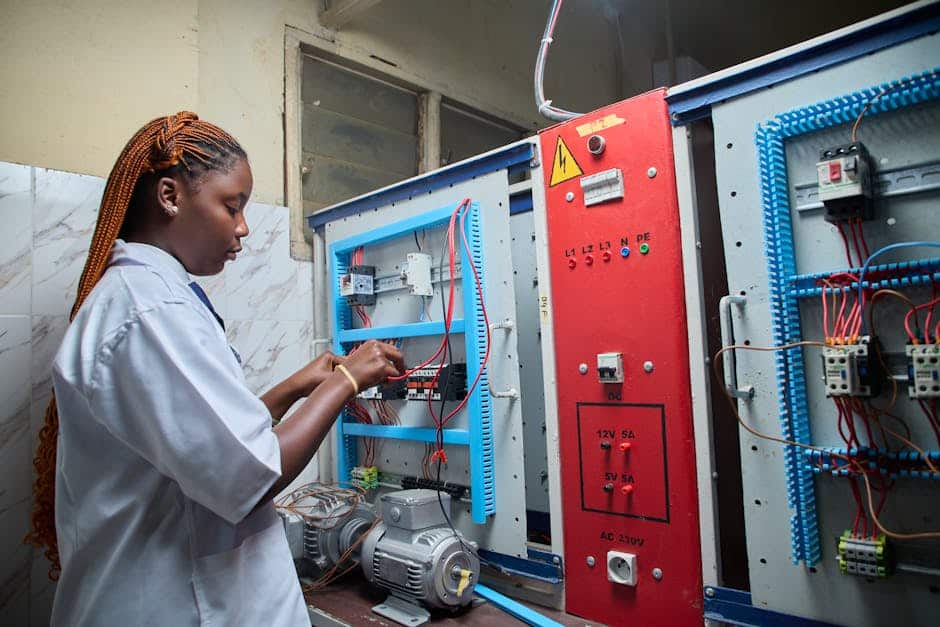
- LV Switchboards: These are the heart of your power distribution. We check meters, locks, and perform torque tests on connections.
- ACB Chassis: Air Circuit Breakers need to be cleaned and greased to ensure they trip when they are supposed to.
- Grounding Systems: We verify that your system has a safe path to the earth, which is essential for protecting personnel from shocks.
- Emergency Systems: Testing exit signs, emergency lights, and backup generators so they work when the grid doesn’t.
Scheduling Your Commercial Electrical System Maintenance
How often should you see us? While every building is different, we generally recommend:
- Annual Inspections: A full “top-to-bottom” check of all panels, transformers, and grounding.
- Quarterly Testing: For high-load environments like machine shops or data centers, we check critical breakers and connections more frequently.
- Monthly Visual Checks: Property managers can do simple walk-throughs to look for signs of moisture, dust buildup, or unusual smells.
For those managing multiple properties across Northeast Ohio, coordinating these schedules can be a headache. We specialize in multi-property coordination, providing a single point of contact and unified reporting so you always know the status of your entire portfolio. If you’re ready to get started, you can easily schedule an inspection with us.
Frequently Asked Questions about Commercial Electrical System Maintenance
How often should a commercial electrical system be inspected?
At a minimum, you should have a professional inspection once a year. However, NFPA 70B guidelines suggest that the frequency should be based on the “condition of the equipment” and the environment. For example, a dusty manufacturing plant in Cleveland will need more frequent cleaning and maintenance than a clean, climate-controlled office building in Akron.
What are the signs that a commercial building needs immediate electrical repair?
Don’t ignore the warning signs! If you notice flickering lights, breakers that trip frequently, or a “fishy” burning smell, you have an emergency on your hands. Other red flags include switch plates that feel warm to the touch or buzzing sounds coming from your walls or panels. These are all indicators of arcing or overheating that could lead to a fire.
Can regular maintenance help reduce energy bills?
Absolutely. A well-maintained system is an efficient system. When connections are loose or components are corroded, they create resistance. Resistance generates heat, and heat is essentially wasted energy that you are paying for on your electric bill. By performing load balancing and suggesting upgrades like LED retrofitting, we can significantly lower your monthly overhead. You can find more info about our services and how we help Ohio businesses save.
Conclusion
Ultimately, Commercial electrical system maintenance is about one thing: peace of mind. You have enough to worry about—from managing staff to serving customers—without having to wonder if your building is a fire hazard.
At Buckeye Electrical Solutions, we bring over 20 years of experience to every job site in Northeast Ohio. We understand the local codes, the unique challenges of our regional climate, and the importance of keeping your business running without the “drama” of unexpected failures. Whether you are in a historic building in downtown Cleveland or a modern facility in the suburbs, our team is committed to your safety and success.
Don’t wait for a flicker to become a fire. Schedule your commercial electrical system maintenance today and let us help you keep the power flowing.