
Common Signs Your Building Needs Commercial Electrical Troubleshooting
Commercial electrical troubleshooting is the systematic process of diagnosing and resolving electrical faults in commercial buildings — from tripped breakers and flickering lights to overheating panels and buzzing outlets.
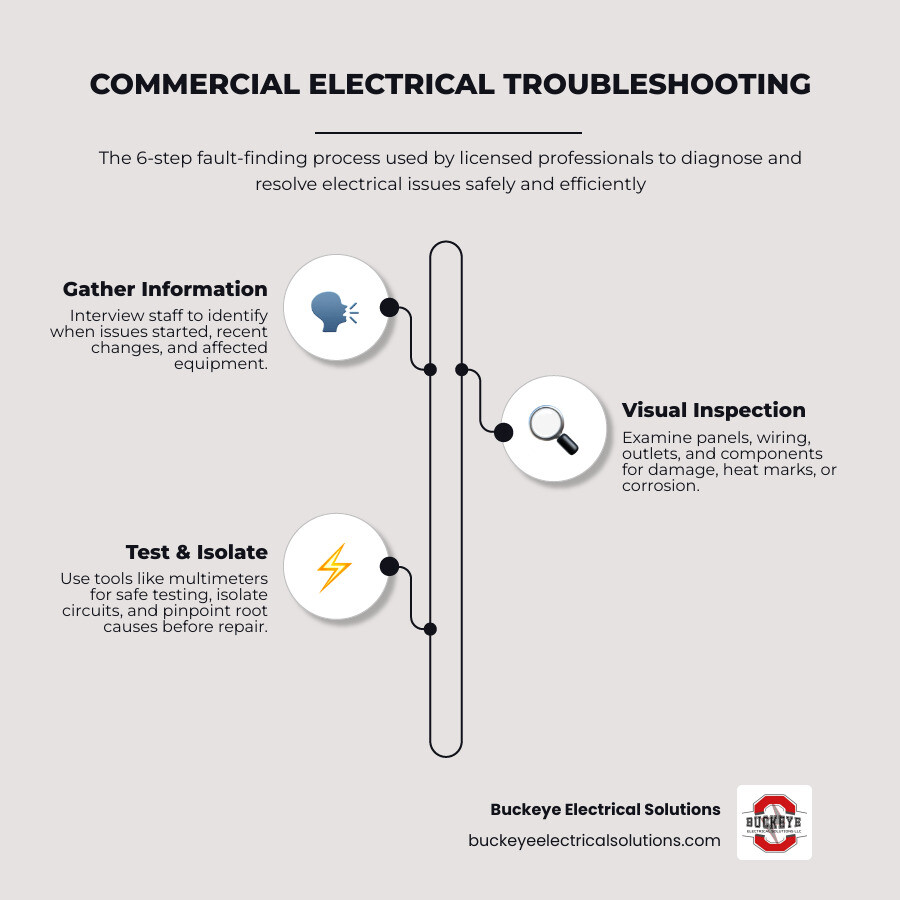
Here’s a quick overview of the 6-step fault-finding process licensed electricians typically follow:
- Gather information — Ask staff when the issue started, what changed, and what equipment is affected
- Visual inspection — Check panels, wiring, outlets, and components for signs of damage, heat, or corrosion
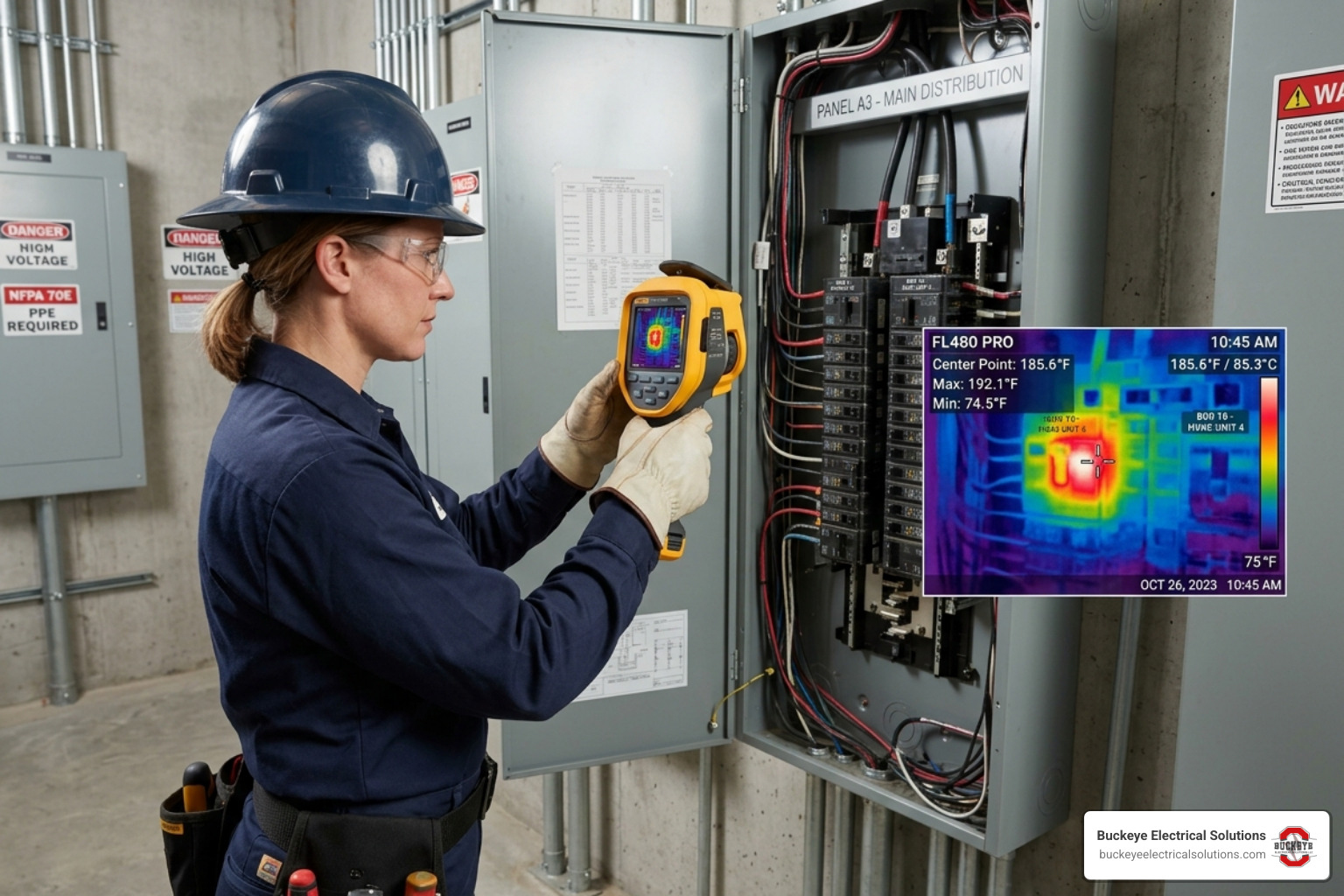
- Test safely — Use diagnostic tools like multimeters and thermal cameras with proper PPE in place
- Isolate the circuit — Narrow the fault to a specific circuit or component
- Targeted testing — Measure voltage, current, and resistance to pinpoint the root cause
- Repair and verify — Fix the issue and confirm the system operates correctly before returning to service
Commercial electrical problems can escalate fast. A flickering light might seem minor, but it can signal voltage instability or a loose neutral wire — both of which can damage sensitive equipment or create fire hazards. Every minute of unplanned downtime can result in lost revenue, and unresolved electrical issues are among the leading causes of commercial building fires.
Ohio commercial buildings must also meet strict NFPA and Ohio Building Code requirements, so troubleshooting isn’t just about fixing what’s broken — it’s about keeping your facility safe, compliant, and operational.
I’m Aaron, owner of Buckeye Electrical Solutions and a master electrician with hands-on experience in commercial electrical troubleshooting across Northeast Ohio, including full commercial rewires and panel upgrades on projects up to 6,000 sq ft. In this guide, I’ll walk you through everything you need to know to understand, identify, and address electrical problems in your commercial building.
Commercial electrical troubleshooting vocabulary:
In a busy commercial environment, it is easy to ignore a slight hum or a dimming light, but these are often the “early warning system” of your building. Recognizing these signs early can be the difference between a simple repair and a catastrophic equipment failure.
Flickering or Dimming Lights
If your lights flicker when the HVAC kicks on or when heavy machinery starts up, you aren’t just dealing with a bad bulb. This often indicates voltage instability or that your system is struggling to handle the load. In commercial settings, flickering can also interfere with security cameras and sensitive electronic equipment.
Buzzing and Unusual Sounds
Electricity should be silent. If you hear a buzzing or humming sound coming from an outlet, switch, or the electrical panel itself, it is a red flag. This often signals loose wiring or a circuit that is being pushed beyond its capacity. Over time, these loose connections can lead to arcing—where electricity jumps through the air—creating intense heat and a significant fire risk. You can learn more about these risks in our Short Circuit Explained: Your Guide to Electrical Faults.
Warm Outlets and Burning Odors
If an outlet feels warm to the touch or you notice a faint smell of burning plastic or ozone, stop using that circuit immediately. These are often signs of overheating caused by faulty wiring or excessive power draw. In some cases, you might even see scorch marks or “soot” around the outlet faceplate.
Intermittent Power and Tripping Breakers
A breaker that trips once in a blue moon might be a fluke, but frequent trips are a cry for help. It typically means the safety mechanism is performing its intended function to prevent a fire, but the underlying cause—whether it is an overloaded circuit or a ground fault—needs to be addressed.
A Step-by-Step Process for Commercial Electrical Troubleshooting
When we arrive at a job site in Northeast Ohio, we don’t just start poking around with a screwdriver. Effective commercial electrical troubleshooting requires a disciplined, logical approach to ensure nothing is missed and everyone stays safe.
1. Information Gathering
We start by talking to the people who use the space every day. Did the problem start after a storm? Did you just install a new commercial refrigerator? Understanding the “when” and “how” helps us narrow down the “why.”
2. Visual Inspection
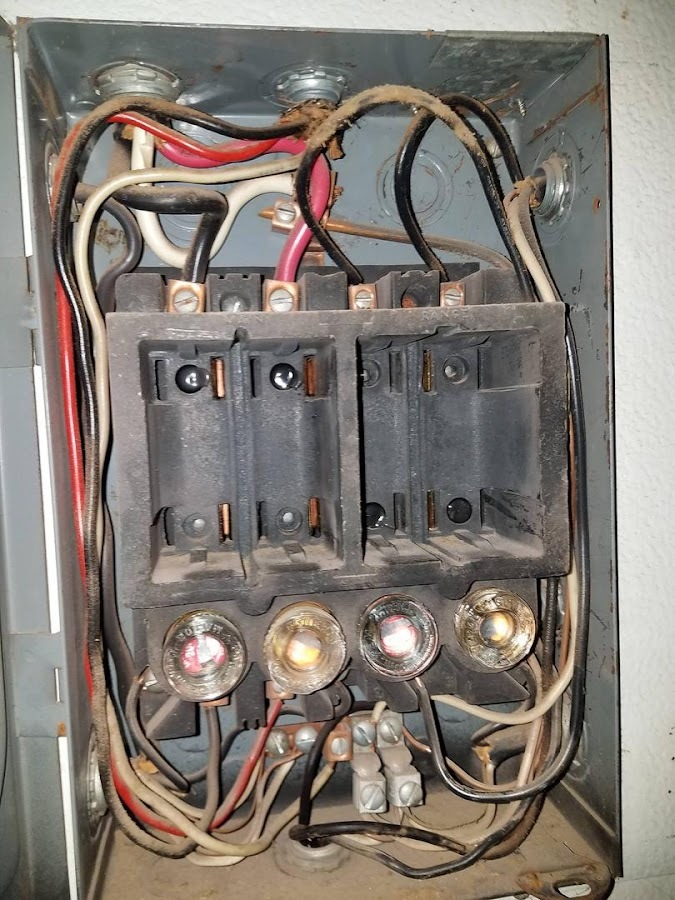
Before we even turn on a meter, we look for the obvious. We check for frayed wires, discolored insulation, or haphazardly labeled panels. In older Ohio buildings, we often find that previous “handyman” repairs have left a mess of “haphazard” wiring that doesn’t meet modern standards.
3. Circuit Isolation and Testing
Using specialized meters, we isolate the suspected circuit. We check for continuity, voltage drops, and resistance. This is where we determine if the issue is a simple component failure or a deeper systemic problem. For more on how we approach these tricky situations, check out our expert advice for electrical troubleshooting.
4. Root Cause Identification and Verification
Once the fault is found, we don’t just patch it. we identify the root cause. If a breaker tripped because of a short circuit, we find the short. If it tripped because of an overload, we look at redistributing the load. After the repair, we verify everything is working perfectly under load.
| Symptom | Potential Underlying Cause | Professional Action |
|---|---|---|
| Frequent Breaker Trips | Overloaded circuit or faulty breaker | Load analysis and circuit redistribution |
| Flickering Lights | Loose neutral wire or voltage sag | Connection tightening and voltage monitoring |
| Buzzing Outlets | Loose terminal connections or arcing | Outlet replacement and wire termination check |
| High Energy Bills | Phantom loads or inefficient ballasts | Energy audit and LED retrofit |
Identifying Root Causes During Commercial Electrical Troubleshooting
Finding the symptom is easy; finding the root cause is where the expertise comes in. Common culprits we see in Ohio commercial properties include:
- Loose Connections: Thermal cycling (heating up and cooling down) can cause wires to expand and contract, eventually loosening the screws at the terminals.
- Ground Loops: These occur when there are multiple grounding paths, which can cause equipment malfunctions and data errors in office settings.
- Aging Conductors: Insulation doesn’t last forever. In older buildings, the rubber or plastic coating on wires can become brittle and crack, leading to shorts.
- Faulty Ballasts: In older lighting systems, an aging ballast can cause flickering, buzzing, and excessive heat.
Advanced Tools Used in Commercial Electrical Troubleshooting
We use more than just a simple voltage tester. To get the job done right, we rely on a suite of professional-grade tools:
- Multimeters: For measuring voltage, current, and resistance with high precision.
- Clamp Meters: These allow us to measure the current flowing through a wire without having to disconnect it, which is vital for live circuit analysis.
- Insulation Testers (Megohmmeters): These help us find “leaky” insulation that might be causing intermittent faults.
- Circuit Tracers: Essential for finding which breaker controls which outlet in a poorly labeled commercial panel.
- Infrared Thermometers/Thermal Cameras: These allow us to see “hotspots” that are invisible to the naked eye, identifying loose connections before they cause a fire. For a deeper dive into these gadgets, see The Ultimate Guide to Electrical Testers.

Safety Protocols and Ohio Code Compliance
Safety is a critical priority in commercial work; it is a legal and professional requirement. At Buckeye Electrical Solutions, we strictly adhere to NFPA 70E standards for electrical safety in the workplace.
Lockout/Tagout (LOTO)
Before we work on any equipment, we follow strict Lockout/Tagout procedures. This is designed to ensure that no one can accidentally turn the power back on while we are elbow-deep in a machine or a panel. It is a critical part of wiring for success and preventing workplace accidents.
Arc Flash Safety
Commercial systems often have much higher fault currents than residential ones. This creates the risk of an “arc flash”—a dangerous explosion of light and heat. We use appropriate Personal Protective Equipment (PPE), including flash-rated suits and insulated tools, to mitigate this risk.
Ohio Building Code and OSHA
All our commercial electrical troubleshooting and repair work is performed to meet or exceed the Ohio Building Code and OSHA standards. This isn’t just about passing inspections; it is about ensuring your insurance remains valid and your employees are protected.
The Benefits of Proactive Maintenance and Upgrades
The best way to handle a commercial electrical emergency is to prevent it from happening in the first place. Proactive maintenance is an investment that pays for itself by preventing costly downtime.
Energy Audits and Thermal Imaging
We recommend an annual “check-up” for your electrical system. Using thermal imaging, we can spot a failing breaker or a loose connection months before it actually fails. This allows you to schedule repairs during off-hours rather than dealing with an emergency on a busy Monday morning.
Load Calculations and LED Retrofits
As your business grows, so does your power demand. We perform load calculations to ensure your existing commercial electrical services can handle your new equipment. Often, we find that switching to LED lighting can free up enough capacity to avoid a costly service upgrade while simultaneously lowering your monthly utility bills.
Surge Protection
A single lightning strike or a utility power surge can fry tens of thousands of dollars worth of computers, servers, and specialized machinery. We install industrial-grade surge protection at the main panel to provide a “shield” for your entire facility. Explore all our services to see how we can future-proof your building.
Frequently Asked Questions about Commercial Electrical Troubleshooting
Why do commercial circuit breakers trip frequently?
In many cases, it is often a matter of an overloaded circuit—too many devices drawing too much power at once. However, in industrial settings, it could be caused by “inrush current” from large motors, aging equipment with internal shorts, or even ground faults. If a breaker trips immediately after being reset, it is typically advised not to try again; this often indicates a direct short that requires professional attention.
Is it safe to perform DIY electrical troubleshooting in a commercial setting?
In a word: No. Commercial systems are significantly more complex and dangerous than residential ones. Beyond the risk of electrocution and arc flash, DIY repairs often violate the Ohio Building Code and can potentially void your business insurance policies. The Authority Having Jurisdiction (AHJ) in many Ohio municipalities typically requires that commercial electrical work be performed by a licensed contractor.
How often should a commercial electrical system be inspected in Ohio?
While it depends on the type of facility, we generally recommend a professional inspection every 1 to 3 years. High-demand facilities like restaurants, data centers, or manufacturing plants should ideally be inspected annually to help ensure safety and peak efficiency.
Conclusion
At Buckeye Electrical Solutions, we understand that your business relies on a steady, safe supply of power. Whether you are dealing with a mysterious buzzing sound or need a full system audit, our team brings over 20 years of experience to every job site in Northeast Ohio. We pride ourselves on prompt service, transparent communication, and a commitment to safety that keeps your doors open and your team protected.
Don’t let a small electrical issue turn into a major business disruption. If you suspect your building needs commercial electrical troubleshooting, reach out to the experts who know Ohio’s codes and commercial infrastructure inside and out.
Ready to secure your facility’s electrical future? Contact Us today for a consultation or to schedule your next maintenance visit.