Electrical safety in your home is not something that can be put off for later. Faulty wiring and overloaded circuits are among the leading causes of preventable home fires and electrical shocks, which can result in severe injuries, electrocution, and devastating property loss.
Electrical safety audits are systematic inspections of your home’s electrical system designed to identify hazards like faulty wiring, overloaded circuits, and outdated equipment before they cause fires, shocks, or worse. At their core, these audits answer one simple question: Is my home electrically safe?
Here’s what a basic home electrical safety audit covers:
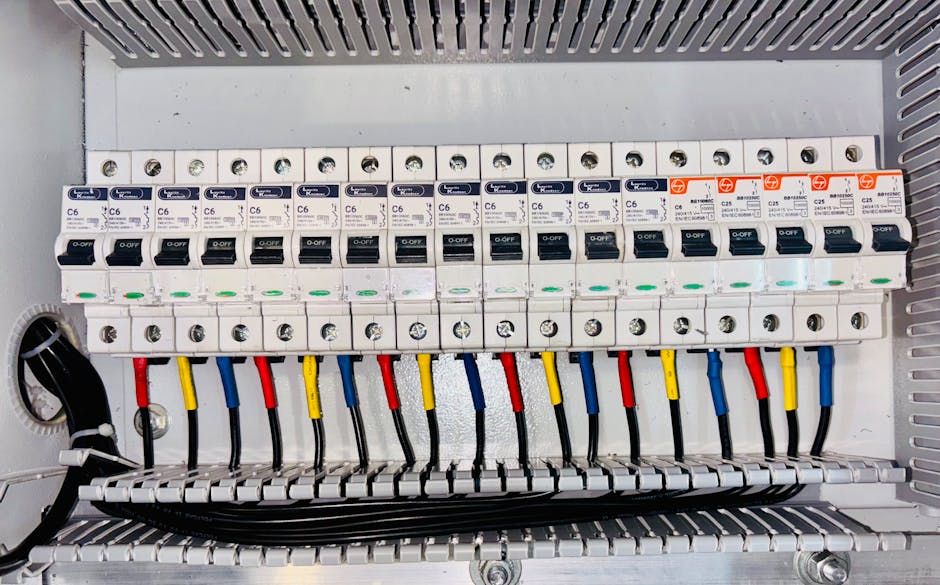
- Electrical panel inspection – Check for proper breaker labeling, signs of rust or damage, and adequate capacity
- Outlet and switch testing – Look for warm outlets, loose connections, cracked faceplates, and proper grounding
- GFCI protection verification – Test ground fault circuit interrupters in kitchens, bathrooms, and outdoor areas
- Cord and wiring assessment – Identify frayed cords, extension cord misuse, and visible wiring damage
- Appliance safety review – Ensure major appliances are properly grounded and functioning safely
The stakes are real. In 2020 alone, more than 125 American workers lost their lives due to electrical incidents, and nearly 2,400 others were injured. Residential electrical fires cause billions in property damage each year, yet many of these tragedies are entirely preventable through regular safety checks.
Why this matters for Northeast Ohio homeowners:
- Older homes (especially those built before 1980) often have outdated wiring that does not meet current safety codes
- Harsh winters can stress electrical systems through increased heating loads
- DIY renovations may have created hidden hazards
- Insurance companies increasingly require documentation of electrical safety
I’m Aaron, owner of Buckeye Electrical Solutions in Northeast Ohio, and over the past several years I’ve overseen dozens of permitted electrical projects where electrical safety audits revealed hidden dangers that could have turned catastrophic. From aluminum wiring in 1970s homes to overloaded panels in growing families’ houses, I’ve seen how a systematic check can save lives and property.
What is a Home Electrical Safety Audit and Why is it Crucial?
When we talk about an electrical safety audit for your home, we’re referring to a comprehensive examination of your entire electrical system. This isn’t just about making sure the lights turn on; it’s about uncovering potential hazards that could lead to serious injury, electrocution, or even a devastating fire. While a simple visual inspection is a good start, a truly thorough audit involves the expertise of a licensed professional electrician.
The importance of these audits cannot be overstated, as electrical hazards remain a leading cause of preventable tragedies. Electrocution, for instance, ranks among the top four fatal risks in industries like construction—a stark reminder of electricity’s unforgiving nature.
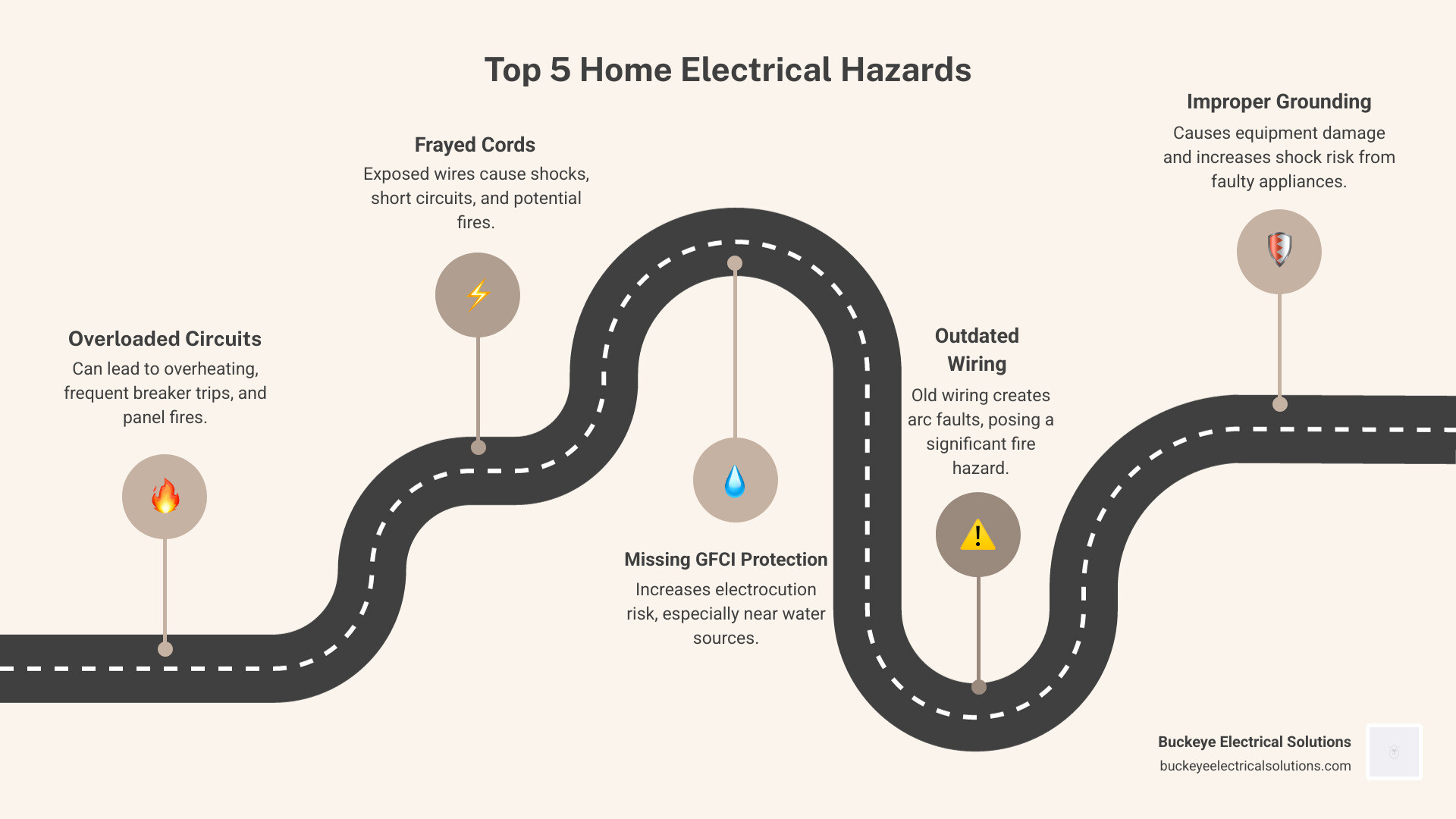
What specific dangers are we looking for during these electrical safety audits?
- Faulty wiring: This can include old, degraded insulation, loose connections, or even hazardous materials like aluminum wiring, which was common in homes built between 1965 and 1973. Aluminum wiring is unsafe due to its tendency to expand and contract, leading to loose connections and fire risks.
- Overloaded circuits: When too many high-power appliances are plugged into a single circuit, it can draw more current than the wiring can safely handle, leading to overheating and potential fires.
- Outdated equipment: Old fuse boxes, non-grounded outlets, or circuit breakers that no longer function correctly can all pose significant risks. The 2023 update to NFPA 70B, the Standard for Electrical Equipment Maintenance, now specifically requires inspection of all electrical equipment at least every 12 months, highlighting the critical need for regular checks.
Neglecting these potential issues can have severe consequences. Beyond the obvious personal injury risks, including electric shock and burns, there’s the significant threat of property damage from electrical fires. Regular electrical safety audits are our best defense, allowing us to identify and rectify these dangers proactively, ensuring peace of mind and protecting what matters most.
Your Room-by-Room Electrical Safety Checklist
This section provides a practical guide for homeowners to conduct a basic visual inspection of their electrical system. While not a substitute for a professional electrical safety audit, it’s an excellent way to spot obvious issues. We recommend performing this checklist every six months.
General & Living Areas
Let’s start with the most frequently used spaces, where everyday use can lead to common electrical hazards.
- Outlets and switches: Check every outlet and switch. If any feel warm, have cracked faceplates, or don’t hold plugs snugly, call a professional. These indicate unsafe wiring conditions that can cause fires or shocks.
- Electrical cords: Inspect all cords for damage like frays or cracks and replace them if needed. Ensure cords are not placed under rugs or furniture, coiled too tightly, or fastened with nails or staples, as this can create fire and shock hazards.
- Extension cord safety: Extension cords are for temporary use only. If you’re using them permanently, have new outlets installed. Never overload an extension cord; if it feels warm, it’s a fire hazard. Use safety covers on unused outlets, especially with children present.
- Proper wattage light bulbs: Check that each light bulb’s wattage does not exceed the fixture’s maximum rating. Using a bulb with too high a wattage can cause overheating and lead to a fire. A 60-watt bulb or less is a safe bet if you’re unsure.
Kitchen & Laundry Room
These rooms combine high-power appliances with water, making electrical safety paramount.
- GFCI outlets: Ground Fault Circuit Interrupter (GFCI) outlets are your first line of defense against electrocution in wet areas. They are designed to shut off power instantly if they detect an imbalance. We recommend having GFCIs in your kitchen, laundry room, unfinished basement, garage, and near any wet bar sinks.
- Testing GFCIs: Test your GFCI outlets monthly to ensure they are working correctly. If an outlet fails to trip and reset properly, it must be replaced. See our FAQ section for detailed testing instructions.
- Appliance cords: Keep all appliance cords away from hot surfaces like ovens or range burners to prevent them from melting and exposing live wires.
- Water and electricity: Always keep electrical appliances away from sinks and other water sources. If they must be nearby, ensure they are plugged into GFCI-protected outlets.
- Grounding large appliances: Large appliances like refrigerators and washers require proper grounding. If you suspect an appliance isn’t grounded or you’ve received a slight shock from one, turn off its power at the circuit breaker and call an electrician.
- Appliances that should be unplugged when not in use:
- Toasters and toaster ovens
- Coffee makers
- Blenders and food processors
- Hairdryers and curling irons
- Electric kettles
- Chargers once devices are fully charged
Bathrooms, Basement, & Outdoors
These areas present unique challenges due to moisture and temperature changes.
- Bathroom GFCIs: GFCI outlets are essential in bathrooms. Avoid using portable heaters in bathrooms; if you must, ensure they are plugged into a GFCI outlet.
- Electrical panel inspection: Your electrical panel should be easily accessible with no obstructions. Check for clear labels on each breaker and look for any signs of rust or corrosion, which could indicate moisture problems. We also recommend exercising your circuit breakers annually by flipping each one off and on to ensure they don’t get stuck.
- Weatherproof covers and outdoor power tools: All outdoor outlets must have weatherproof covers and be GFCI-protected. When using outdoor power tools, check that their cords are in good condition and use extension cords specifically marked for outdoor use.
For a more detailed self-assessment, you can refer to the comprehensive Home Electrical Safety Checklist provided by the CPSC.
When to Perform Audits and When to Call a Pro
Knowing when to do a DIY check versus calling a professional for an electrical safety audit is key to home safety. While regular visual inspections are a great start, a licensed electrician is needed for a true assessment of your system’s health.
DIY vs. Professional Audits
Our room-by-room checklist is a solid foundation for a DIY visual inspection, which should be done every six months to catch obvious issues like frayed cords or overloaded outlets. This proactive awareness is crucial.
However, a professional electrical safety audit is far more comprehensive. A licensed electrician performs advanced testing, assesses hidden wiring, evaluates your electrical panel’s capacity, and ensures compliance with the National Electrical Code (NEC) and local Ohio building codes.
When should you hire a professional electrician for an electrical safety audit?
- Buying a new home: Especially older homes, a professional inspection can uncover hidden electrical issues that might not be obvious to the untrained eye. This is a critical step in Northeast Ohio, where many homes have older electrical systems.
- Major renovations: If you’re adding rooms, significant appliances, or altering your home’s layout, a professional assessment is essential to ensure your existing electrical system can handle the new load and that all work complies with current codes.
- After electrical incidents: If you’ve experienced a small electrical fire, a persistent burning smell, or a significant power surge, a professional audit is necessary to determine the extent of the damage and prevent future occurrences.
- Every five to ten years: General guidelines often recommend a comprehensive home electrical inspection every five years, or at least every ten years, even if you haven’t noticed any immediate problems. This proactive approach helps identify gradual wear and tear or outdated components before they become hazards.
- Homes with aluminum wiring: If your home was built between 1965 and 1973, it might have aluminum wiring, which is a known fire hazard. A professional inspection is critical to assess its condition and recommend necessary upgrades to copper wiring.
Red Flags That Demand a Professional
While your DIY checks are valuable, some signs are undeniable calls for professional help. If you notice any of these red flags, don’t delay—contact us immediately.
- Flickering or dimming lights: This could indicate loose wiring, circuit overload, or issues with your home’s electrical service.
- Buzzing or sizzling sounds: Strange noises coming from outlets, switches, or your electrical panel are never a good sign and often point to loose connections or arcing.
- Frequent breaker trips: While occasional trips are normal (especially with high-power appliances), if a specific breaker trips often, or multiple breakers trip frequently, it’s a sign of an overloaded circuit or a more serious electrical fault.
- Warm or discolored outlets/switch plates: As mentioned before, heat is a major warning sign. Discoloration, especially scorching around an outlet, suggests overheating and a significant fire risk.
- Mild shocks or tingling sensations: Even a “mild” shock from an appliance or switch indicates a grounding problem or faulty wiring that needs immediate attention.
- Burning smells: A persistent burning odor, particularly near electrical outlets or your panel, signals insulation burning or an overheating component. This is an emergency.
- Sparking outlets or switches: Any visible sparks when plugging in an appliance or flipping a switch are a clear indication of a dangerous electrical fault.
For any of these red flags, or to simply ensure your home’s electrical system is in top shape, please don’t hesitate to reach out. Our team at Buckeye Electrical Solutions specializes in Residential Electrical Services and is ready to provide the expert care your home needs.
Understanding Professional Electrical Safety Audits
A professional electrical safety audit by a licensed electrician goes far beyond a visual check. This in-depth assessment uses specialized training and equipment to identify hidden dangers and ensure your system is safe, efficient, and up to code.
What a Licensed Electrician Inspects
When we perform a professional electrical safety audit for your Northeast Ohio home, our technicians inspect:
- Electrical panel capacity: We assess if your panel can handle your home’s power demands, a common issue in older Northeast Ohio homes. We check for proper grounding, breaker compatibility, and overall function to prevent overloads.
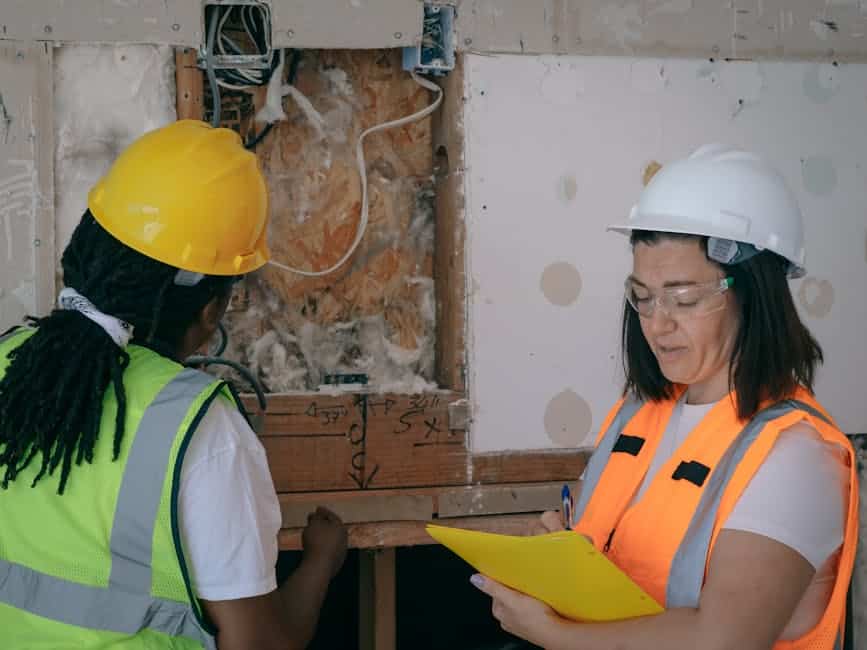
- Wiring condition: We inspect for outdated or hazardous wiring (like aluminum wiring), loose connections, damaged insulation, and correct wire sizing. We ensure all connections are secure to prevent fire risks.
- Grounding system verification: A proper grounding system is critical for safety. We verify that your home’s grounding system is intact and effective, protecting you and your appliances from surges.
- AFCI & GFCI testing: We use specialized equipment to test all Arc Fault Circuit Interrupter (AFCI) and GFCI outlets and breakers. AFCIs prevent fires from dangerous arcing, while GFCIs protect against electrocution.
- Load calculations: We perform load calculations to ensure your electrical system is adequately sized for your power needs, preventing overloads.
- Compliance with the National Electrical Code (NEC): We ensure your home’s electrical system meets these critical safety guidelines, as well as all applicable local building codes in Northeast Ohio.
The Benefits of Professional Electrical Safety Audits
Investing in a professional electrical safety audit with Buckeye Electrical Solutions offers numerous benefits:
- Peace of mind: Gain peace of mind knowing a professional has certified your system is safe, removing worry about hidden electrical hazards.
- Risk mitigation: By identifying hazards like faulty wiring or overloaded circuits early, we significantly reduce the risk of electrical fires, shocks, and electrocutions.
- Code compliance: We ensure your home meets the latest National Electrical Code (NEC) standards and local Ohio codes, which is often required for insurance and home sales.
- Insurance requirements: A professional audit can help you meet insurance provider requirements, especially for older homes, and potentially lower your premiums.
- Increased home value: A safe, up-to-code electrical system is a significant selling point that can reassure potential buyers.
- Preventing costly repairs: Identifying small issues early prevents them from becoming major, expensive problems down the line.
Beyond electrical systems, comprehensive home safety extends to other critical areas. Our expertise also covers Fire Alarm Services, ensuring your home is protected from multiple angles.
Key Standards for Professional Electrical Safety Audits
Professional audits adhere to rigorous standards to ensure maximum safety. Our practices are based on these established benchmarks:
- NFPA 70 (National Electrical Code – NEC): This is the foundational standard for safe electrical installation in the U.S. We assess your home’s adherence to the NEC.
- Workplace Safety Principles: We apply principles from standards like NFPA 70E and OSHA standards to ensure the highest level of safety while working in your home.
- Local Building Codes: Our licensed electricians are experts in Northeast Ohio’s local building codes, ensuring your home is fully compliant with all relevant regulations.
- Licensed Contractor Knowledge: With over 20 years of experience, our team brings deep knowledge of the unique challenges in Northeast Ohio homes, from older wiring to climate-related stress on electrical systems.
Frequently Asked Questions about Home Electrical Safety
We often hear similar questions from homeowners concerned about their electrical systems. Here are some of the most common ones, answered simply and clearly.
What’s the difference between a circuit breaker tripping and a fuse blowing?
Both circuit breakers and fuses protect your electrical system from overloads or short circuits by interrupting the flow of electricity.
- Fuses: Found in older homes, a fuse contains a wire that melts to break the circuit when there’s too much current. A blown fuse is a single-use device and must be replaced. If a fuse blows repeatedly, it indicates an underlying electrical problem.
- Circuit breakers: Modern homes use circuit breakers, which are switches that automatically “trip” (turn off) when they detect an overload. They can be reset by flipping the switch back on. However, a frequently tripping breaker is a warning sign of an overloaded circuit or a more serious wiring issue that needs professional investigation.
Are two-prong outlets unsafe and what should I do about them?
Two-prong outlets, common in older homes, lack a ground wire. This third wire provides a critical safety path for electricity in case of a fault. Without it, you could receive a severe shock from a malfunctioning appliance.
Yes, two-prong outlets are considered unsafe by today’s standards. We recommend one of these solutions:
- Upgrade to three-prong outlets: The safest option is to have a licensed electrician replace them with modern, grounded, three-prong outlets. This may involve running a new ground wire.
- GFCI protection as an alternative: If running new ground wires isn’t feasible, a licensed electrician can replace two-prong outlets with GFCI outlets. While a GFCI doesn’t add a ground wire, it provides excellent shock protection by quickly cutting power if it detects a current imbalance.
- Avoid three-prong adapters: So-called “cheater plugs” that convert three-prong plugs to two-prong outlets are not a safe solution. They are often used improperly and eliminate the grounding safety feature, creating a false sense of security and increasing shock risk.
How do I test a GFCI outlet?
Testing your GFCI outlets is a simple, vital task that should be done monthly. Here’s how:
- Plug in an appliance: Plug a small lamp into the GFCI outlet and turn it on.
- Press the “TEST” button: Press the “TEST” button on the outlet. You should hear a click, and the lamp should turn off.
- Check for trip: If the lamp does not turn off, the GFCI is faulty and must be replaced by a qualified electrician.
- Press the “RESET” button: Press the “RESET” button. The lamp should turn back on.
- Check for reset: If the power does not restore, the GFCI is faulty and needs to be replaced.
Regular testing ensures these crucial safety devices are working correctly, protecting you from electrocution in kitchens, bathrooms, and outdoor areas.
Protect Your Home and Family with an Electrical Safety Audit
Regular electrical safety checks are not a suggestion; they are a critical part of responsible homeownership. While this DIY checklist is a great starting point, some issues can only be identified by a trained professional. For a comprehensive inspection that guarantees your family’s safety and your home’s integrity, trust the experts. The team at Buckeye Electrical Solutions has the experience to identify hidden dangers and ensure your electrical system is safe and reliable. Don’t wait for a warning sign—be proactive about your home’s electrical health. Explore our comprehensive electrical services.