The Dangers of Ignoring Faulty Wiring Repair
Faulty wiring repair is one of the most important home safety tasks many homeowners may encounter — and knowing when to act fast can prevent a serious disaster.
The stakes are real. The Electrical Safety Foundation International (ESFI) estimates about 51,000 home fires start from electrical problems every year — nearly 1,000 per week. According to the U.S. Fire Administration, electrical malfunctions account for roughly 6.3% of all residential fires annually. Many of those fires start silently, inside walls, long before a homeowner notices anything wrong.
The good news? Most wiring problems give off warning signs well before they become emergencies. Catching them early — and getting the right professional involved — makes all the difference.
I’m Aaron, owner of Buckeye Electrical Solutions LLC and a master electrician with extensive experience overseeing permitted faulty wiring repair projects across Northeast Ohio, from straightforward connection fixes to full residential rewires. This article provides essential information to help you understand the problem, recognize the risks, and ensure your home is handled safely by a professional.
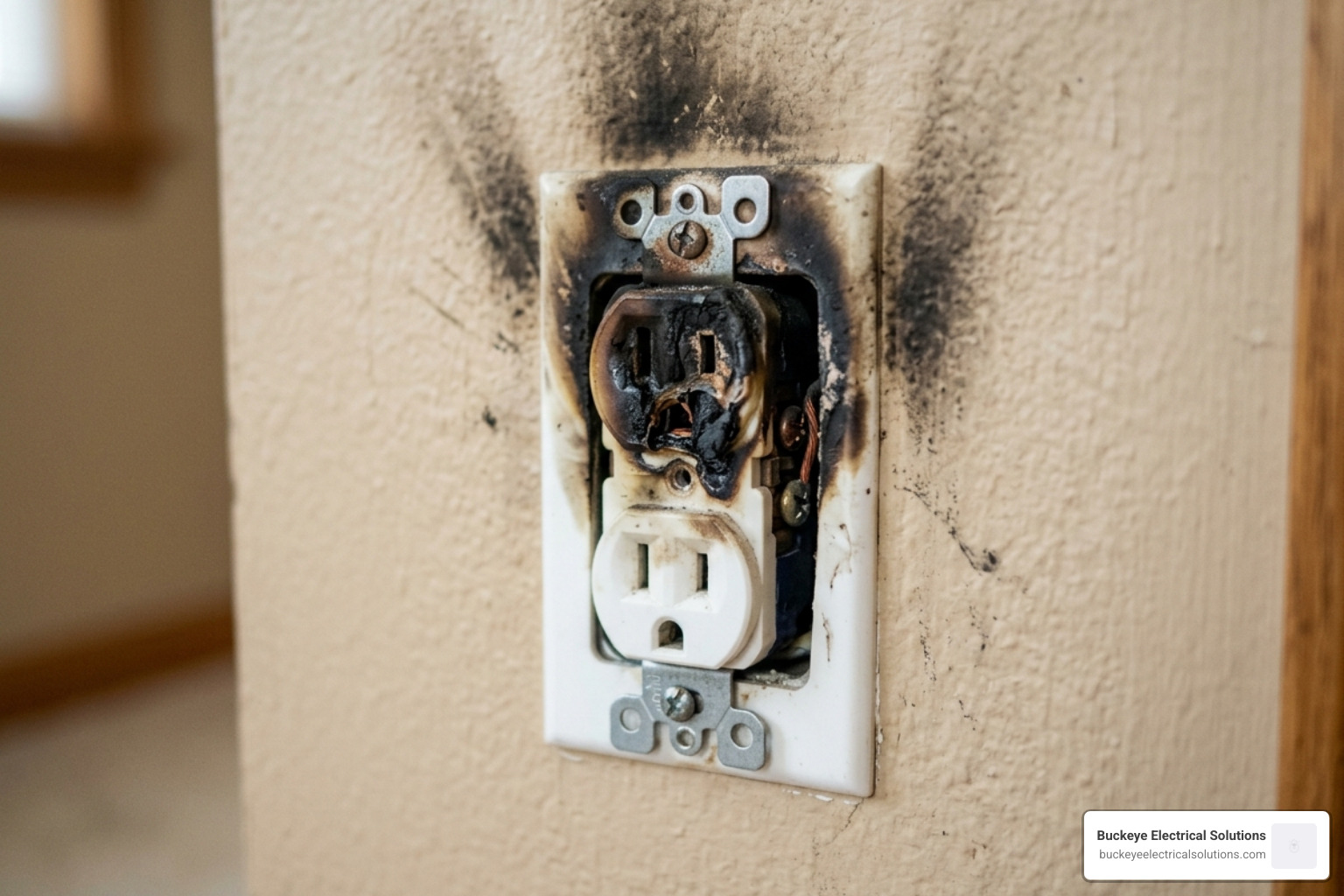
When we talk about faulty wiring repair, we aren’t just talking about a minor inconvenience like a flickering lamp. We are talking about the fundamental safety of your family and your home. Electrical malfunctions are a leading cause of residential fires, often stemming from issues that have been ignored for months or even years.
Scientific research on residential fire causes shows that the majority of these disasters are preventable. In Northeast Ohio, where many of our homes feature a mix of historic charm and modern additions, the risks are particularly diverse. A single loose connection can cause “arcing”—a condition where electricity jumps across a gap, creating temperatures hot enough to ignite wood framing or insulation inside your walls.
Beyond the fire hazard, there is the very real threat of electrocution. Damaged insulation or ungrounded systems can turn a simple metal appliance housing into a live conductor. To keep your household safe, follow expert advice for electrical troubleshooting and never ignore the small signs that something is “off” with your power.
When to Schedule a Faulty Wiring Repair Assessment
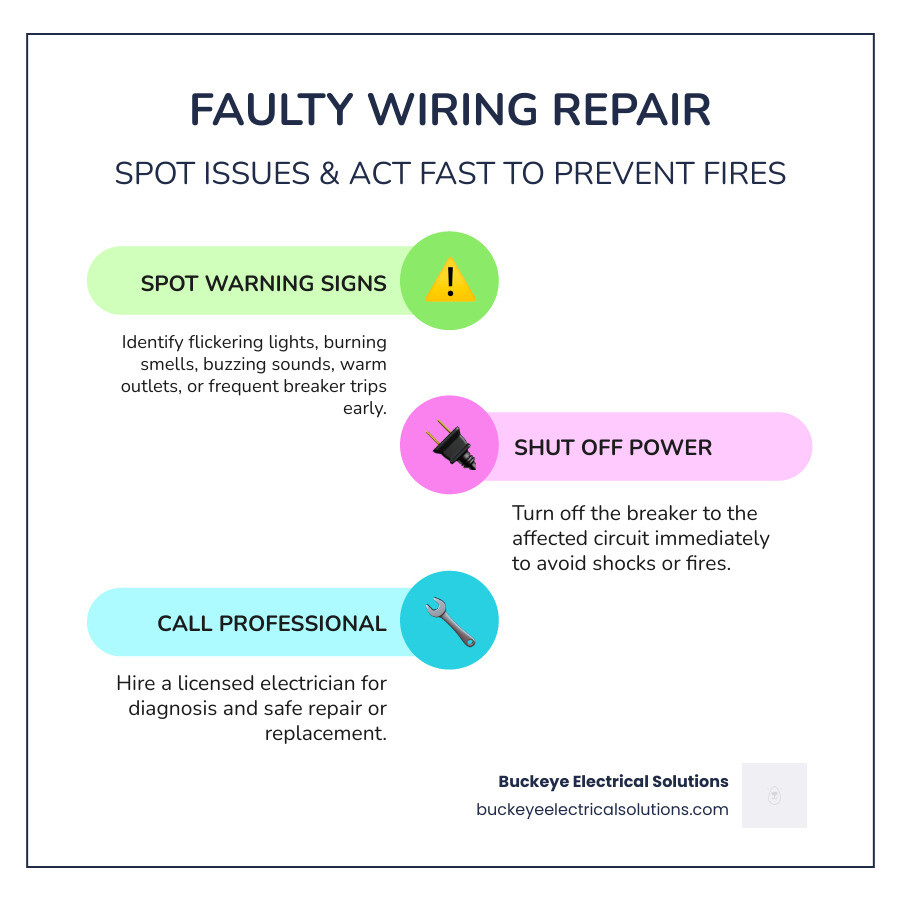
The hardest part for many homeowners is knowing when a “quirk” becomes a “crisis.” If you notice any of the following, you should immediately stop using the affected circuit and seek a professional assessment:
- Buzzing or Crackling: Electricity should be silent. If you hear a hum or a “sizzle” behind a wall or at an outlet, it often indicates a loose connection or a failing wire. Turn off the circuit immediately and call a licensed electrician.
- Flickering Lights: This isn’t just for haunted houses. It often suggests an overloaded circuit or a loose neutral wire, which can damage sensitive electronics.
- Warm Outlets or Switches: If a wall plate feels warm to the touch, or if you see any discoloration (scorching), the wires behind it are likely overheating.
- Burning Smells: An acrid, “fishy,” or plastic-burning smell is a major red flag. This is the smell of wire insulation melting.
- Frequent Breaker Trips: Breakers trip to prevent fires. If one trips repeatedly, it’s telling you that the system is no longer safe to operate under its current load.
For urgent situations, we recommend understanding what to expect from emergency home electrical repair services so you can act decisively.
Professional Standards for Faulty Wiring Repair
In Ohio, electrical work is governed by strict safety protocols. When we perform a faulty wiring repair, we don’t just “patch” the problem; we ensure the entire circuit meets the National Electrical Code (NEC).
Hiring a licensed professional ensures that:
- NEC Compliance: All repairs meet current national safety standards, which are updated every three years to incorporate the latest fire-prevention technology.
- Permit Requirements: Major repairs often require local permits and inspections. This creates a paper trail of safety that is essential for insurance coverage and future home sales.
- Proper Tools: We use specialized equipment like non-contact voltage testers, circuit analyzers, and thermal imagers to find hidden faults that the naked eye can’t see.
Navigating your electrical repair options in Ohio can feel overwhelming, but prioritizing licensed expertise is the only way to guarantee peace of mind.
Common Causes of Electrical Damage in Ohio Homes
Why does wiring fail in the first place? In our experience serving Northeast Ohio, several recurring themes emerge. Our local climate—with its humid summers and freezing winters—can actually accelerate certain types of electrical wear.
- Rodent Damage: Mice and squirrels love the taste of wire insulation. In attics and crawlspaces, they can strip wires bare, leading to short circuits that are difficult to locate without a professional inspection.
- Thermal Expansion: As wires carry heavy loads, they heat up and expand. When the power is turned off, they cool and contract. Over decades, this “breathing” can actually loosen electrical connections at your outlets and switches.
- Age-Related Wear: Most wire insulation is designed to last 30 to 50 years. In many historic Ohio neighborhoods, the wiring has simply reached the end of its natural lifespan, becoming brittle and prone to cracking.
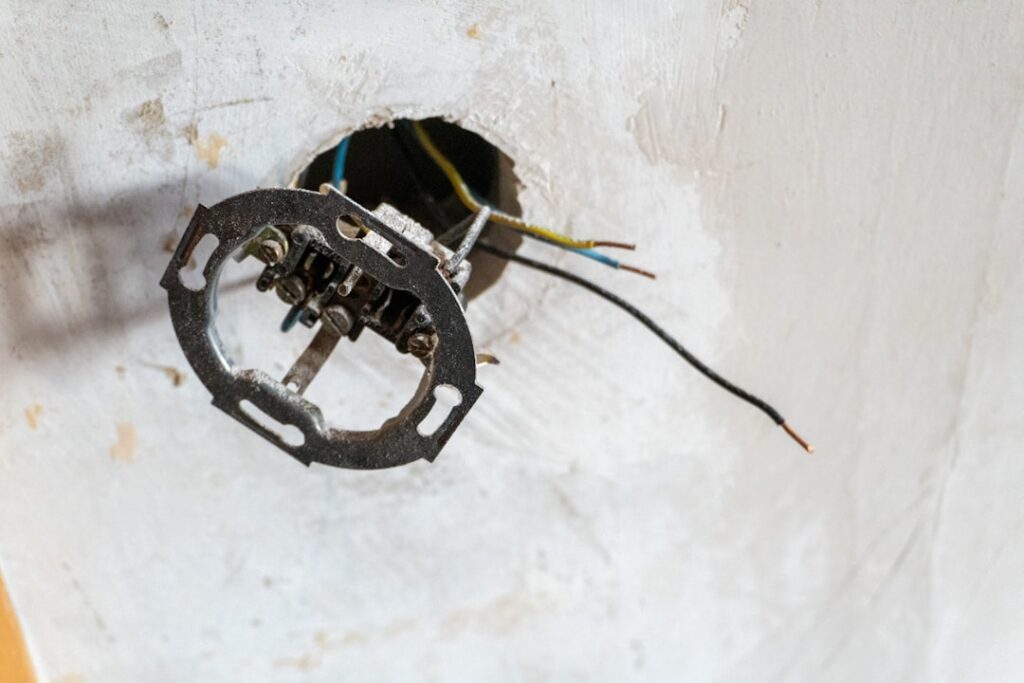
- Improper Installation: DIY work from previous owners is a common culprit. We often find improperly installed outlets or splices hidden inside walls without a junction box.
Material-Specific Challenges in Faulty Wiring Repair
Different eras of home construction brought different materials, each with its own set of repair requirements.
Aluminum Wiring (1965–1973) During a copper shortage in the late 60s, many homes were wired with aluminum. While aluminum conducts electricity well, it expands much more than copper when hot. This leads to “cold creep,” where the wire deforms and pulls away from its connections. This creates high resistance and, eventually, fire-starting heat. We specialize in CPSC-approved remediation like COPALUM or AlumiConn connectors to make these systems safe without the cost of a full rewire.
Knob-and-Tube Wiring Found in homes built before 1940, this system uses ceramic knobs to support wires and tubes to pass them through joists. While robust in its day, it lacks a grounding wire and wasn’t designed for the load of modern appliances. If your home still has active knob-and-tube, a faulty wiring repair often necessitates a partial or full upgrade to meet modern safety standards.
Copper NM-B This is the modern standard (often called “Romex”). While very safe, it can still suffer from common wire connection problems like loose connections or crowded junction boxes.
Understanding NEC Compliance and Safety Standards
Safety isn’t just a suggestion; it’s the law. The National Electrical Code (NEC) provides the blueprint for every faulty wiring repair we perform. These standards are designed to stay ahead of the ways modern families use power.
One of the most critical aspects of NEC compliance is the use of Accessible Enclosures. Every single wire splice in your home must be contained within a junction box that is accessible for future inspection. Burying a wire nut behind drywall is a major code violation and a significant fire risk.
Furthermore, modern standards require specific types of protection for different areas of the home:
- GFCI (Ground Fault Circuit Interrupter): Required in “wet” areas like kitchens, bathrooms, and garages. These outlets shut off power in milliseconds if they detect electricity flowing through water or a person.
- AFCI (Arc Fault Circuit Interrupter): These specialized breakers detect the “sparking” (arcing) that happens with faulty wiring and shut down the circuit before a fire can start.
If you are just starting to learn about your home’s electrical system, we recommend a beginner’s guide to home wiring to help you understand how these components work together to keep you safe.
Comparing Repair vs. Full Home Rewiring
When we assess a home, we often have to determine if a targeted faulty wiring repair is enough, or if the homeowner should consider a full system upgrade.
| Feature | Targeted Repair | Full Home Rewiring |
|---|---|---|
| Scope | Fixes specific points of failure (e.g., one room or outlet) | Replaces every wire, outlet, and switch in the home |
| Cost (NE Ohio) | $200 – $1,500 depending on complexity | $8,000 – $15,000+ for average family homes |
| Safety Benefit | Resolves immediate hazards | Provides 50+ years of modern safety and reliability |
| Home Value | Maintains current value | Significant increase in resale value and marketability |
| Insurance | May satisfy specific repair requirements | Often leads to lower premiums and easier coverage |
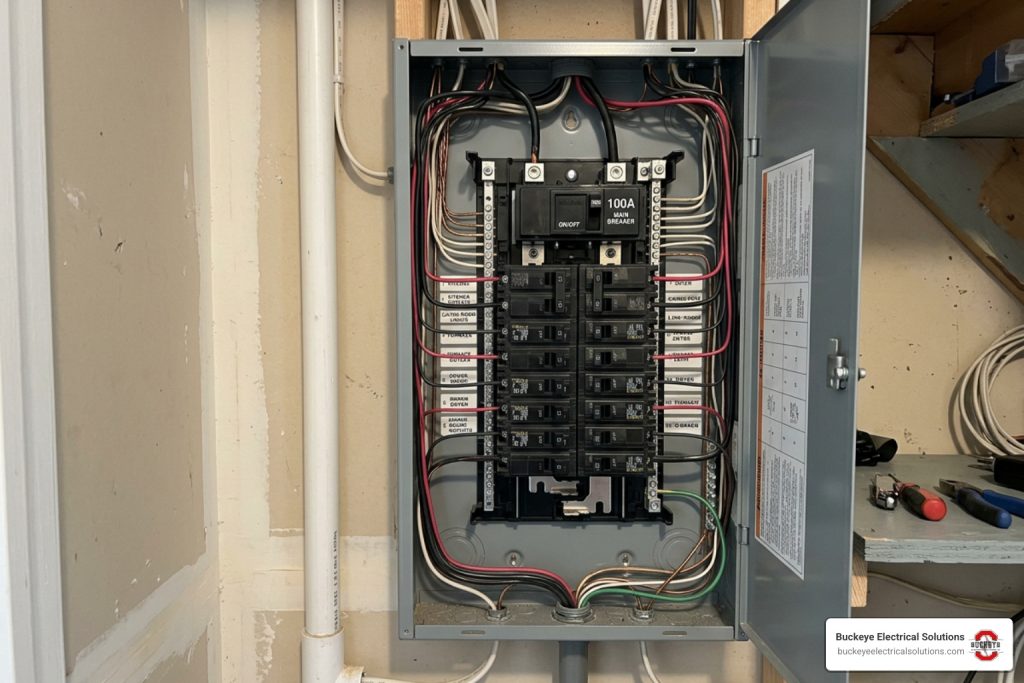
While a full rewire is a significant investment, it is often the most cost-effective choice for homes with systemic issues like widespread aluminum wiring or failing knob-and-tube. For many, a residential electrical service update—including a new electrical panel—can provide the capacity needed for modern life while ensuring every connection is secure.
Frequently Asked Questions about Faulty Wiring
What are the most common signs of bad wiring?
The most frequent warning signs include flickering or dimming lights (especially when large appliances turn on), buzzing or humming sounds coming from walls or outlets, and a persistent burning smell. You should also look for outlets that feel warm to the touch or show any brown or black scorch marks. Frequent breaker trips are another clear sign that your wiring is struggling to handle the electrical load or has a direct fault.
Is it safe to repair electrical wiring myself?
In Ohio, homeowners may perform limited work on their primary residence with proper permits, but we strongly advise consulting professionals for anything beyond replacing a simple light fixture. Faulty wiring repair involves significant risks of electrocution and fire if not done perfectly. DIY repairs often lead to code violations that can void your homeowner’s insurance or cause issues during a future home inspection. For your safety, complex repairs should always be handled by a licensed professional.
How much does it cost to rewire a house?
In the Northeast Ohio market, a full home rewire typically ranges from $8,000 to $15,000, depending on the size of the home and the accessibility of the wiring (e.g., crawlspaces vs. finished basements). Targeted connection-based repairs are much more affordable, often ranging from $40 to $150 per connection point. We always provide detailed, upfront estimates so you can make an informed decision for your budget and safety.
Conclusion
At Buckeye Electrical Solutions, we believe that no electrical issue is too small to ignore. With over 20 years of experience serving Northeast Ohio, our team of licensed experts is dedicated to providing prompt, high-quality residential repairs that keep your home and family safe.
Whether you are dealing with a single buzzing outlet or need a comprehensive safety inspection for an older home, we are here to help. We pride ourselves on transparent pricing and exceptional service, ensuring that every project is completed to the highest professional standards.
Don’t let a small electrical “buzz” turn into a major emergency. Explore our services today and let us help you power up your home with confidence. Reach out to Buckeye Electrical Solutions—your trusted local partners in electrical safety.